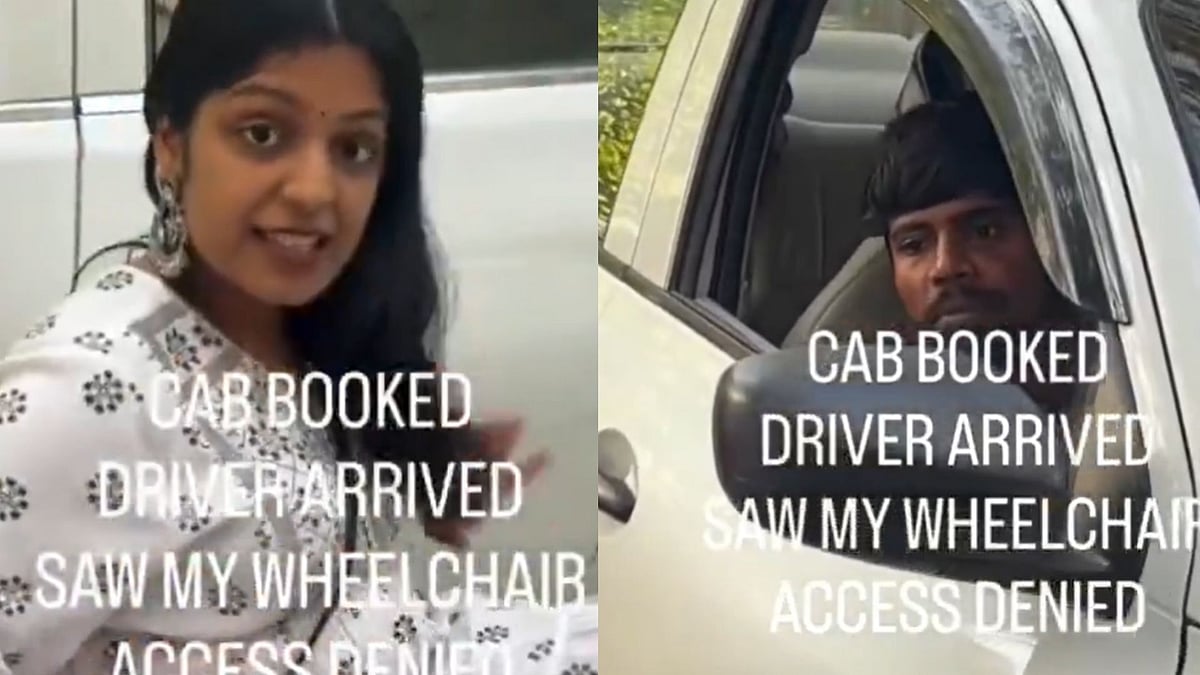
A viral social media video has triggered widespread discussion on accessibility and equal treatment after a young woman alleged that a ride-hailing driver refused to accommodate her wheelchair despite available space in the vehicle. The incident has once again highlighted the everyday challenges persons with disabilities face while accessing basic transport services.
Viral video raises concerns over inclusive mobility
The controversy began when the woman shared a video online claiming that a Rapido driver declined her ride because she was travelling with a wheelchair. According to her account, the refusal was not due to logistical limitations but stemmed from the driver’s hesitation and lack of willingness to assist.
She stressed that mobility aids like wheelchairs are essential, not optional, and denying service effectively restricts a person’s right to travel independently.
The clip quickly spread across social media platforms, drawing attention to how accessibility gaps continue to exist even within modern app-based transport systems that promote convenience and inclusivity.
Woman calls incident “discrimination,” not inconvenience
Detailing her experience in an Instagram post, the woman said the situation went beyond a simple service issue. She described it as discrimination, arguing that transportation services claiming to be available “for everyone” must actively include persons with disabilities.
Her message also called for disability sensitisation training for drivers and greater awareness about assisting passengers with mobility needs. The post resonated with many users who shared similar experiences of facing hesitation or refusal while travelling with assistive devices.
Social media users demand accountability
The incident prompted strong reactions online, with many users expressing disappointment and anger. Several commenters pointed out that accessibility challenges extend beyond ride-hailing platforms to public infrastructure, workplaces, and everyday services.
Advocates highlighted that inclusive transport is essential for education, employment, healthcare access, and social participation. The conversation also revived discussions about the importance of empathy, awareness, and proper training for service providers interacting with persons with disabilities.
Rapido issues public apology
Responding to the growing backlash, Rapido addressed the complaint in the comments section and apologised for the driver’s behaviour. The company stated that such conduct does not align with its service standards and requested ride details through direct message to investigate the matter on priority.
While the apology was welcomed by some, others urged ride-hailing companies to move beyond reactive responses and introduce structured sensitisation programmes, accessibility guidelines, and stricter accountability mechanisms.

India has legal protections under the Rights of Persons with Disabilities Act, which emphasises equal access to public services and transportation. However, viral incidents like this demonstrate that awareness and implementation remain inconsistent.
