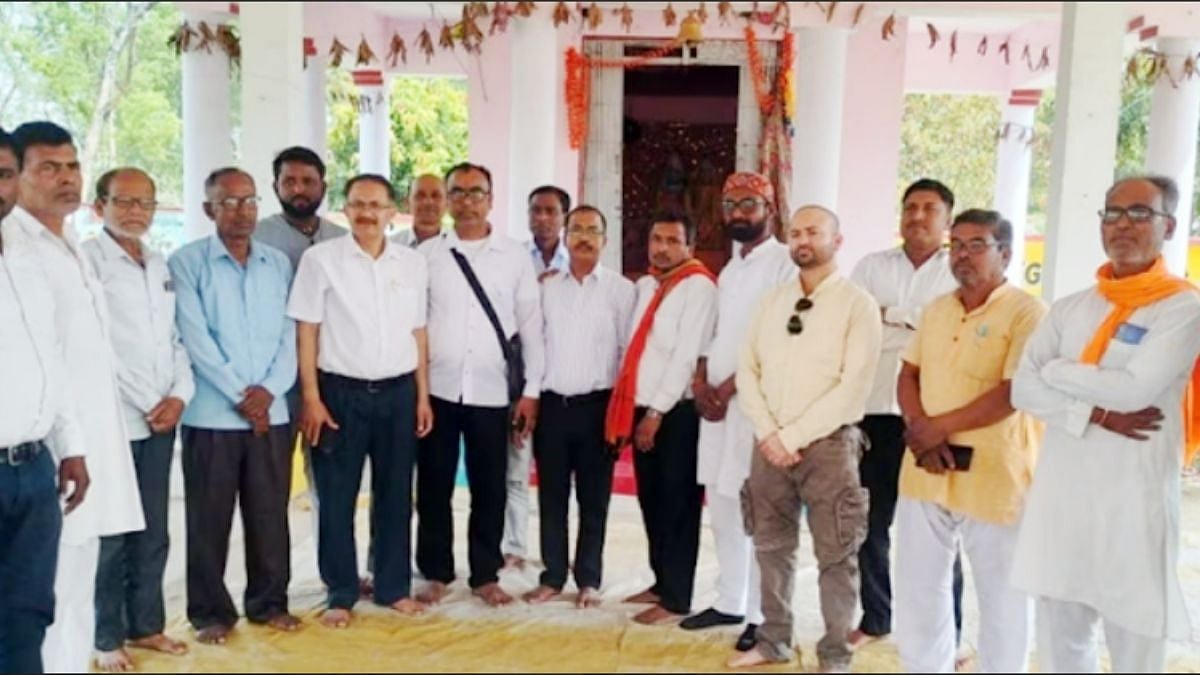
Lucknow, April 2: Under the direction of Uttar Pradesh Chief Minister Yogi Adityanath, 331 Hindu families displaced from Bangladesh have been successfully resettled in different villages of Lakhimpur Kheri. These families have now established permanent homes across three tehsils — Dhaurahara, Mohammadi, and Gola.
According to officials, 97 families were settled in Sujanpur village (Dhaurahara), 41 in Mohanpur Grant, and 156 in Miyanpur (Mohammadi), while 37 families were rehabilitated in Grant No. 3 village (Gola). The rehabilitation process was initiated years ago, and the families are now living stable lives.
Land allotment ensures self-reliance
To ensure sustainable livelihoods, agricultural land was allocated to each family. In some areas, families received up to 7 acres of farmland, enabling them to engage in farming and become self-reliant. Authorities emphasised that land distribution played a crucial role in integrating these families into the local economy.
Access to government welfare schemes
District Magistrate Durga Shakti Nagpal stated that along with land allotment, beneficiaries are being provided access to multiple government welfare schemes. These include Pradhan Mantri Awas Yojana, Pradhan Mantri Kisan Samman Nidhi, Ujjwala Yojana, pensions, and Kisan Credit Cards.
Also Watch:
Basic services and infrastructure ensured
Additionally, essential services such as ration distribution, vaccination, MGNREGA employment, education, and road connectivity have been ensured. The initiative reflects a comprehensive approach towards rehabilitation, focusing on both economic empowerment and social inclusion.

