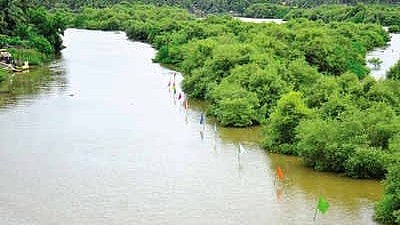
Pilibhit: Alarm bells are ringing over the future of the Gomti River after reports revealed a significant decline in water levels at its origin point in Pilibhit district. Experts and local officials have observed that water availability at Phulhar Lake, the river’s source near Madhotanda, has fallen by nearly 70 percent, triggering concerns about the long-term health of one of Uttar Pradesh’s most important rivers.
Environmentalists attribute the decline to multiple factors, including reduced rainfall, excessive groundwater extraction, encroachment around water bodies, and changes in the natural flow of feeder channels. The Gomti originates from Phulhar Lake and travels nearly 960 kilometres through Uttar Pradesh before joining the Ganga in Ghazipur.
Officials say shrinking water levels at the source could have far-reaching consequences for agriculture, drinking water supplies, biodiversity, and river ecology downstream. Residents of nearby villages have also reported a visible reduction in water flow compared to previous years.
The concern comes even as authorities have announced major plans to rejuvenate the Gomti’s origin. Earlier this year, the Centre approved a project worth nearly ₹57 crore to restore the river’s source, improve ecological conditions, and develop the area as a heritage and tourism destination. The project includes measures to improve water quality, restore natural flow, and protect the surrounding ecosystem. Experts stress that conservation efforts must focus not only on beautification but also on restoring groundwater recharge systems, removing encroachments, and ensuring sustainable water use. They warn that unless immediate corrective measures are taken, the
declining water level could pose a serious threat to the river’s future.
Authorities are now monitoring the situation closely, while environmental groups have called for urgent intervention to protect the source of the Gomti and secure the river’s ecological balance for generations to come.
