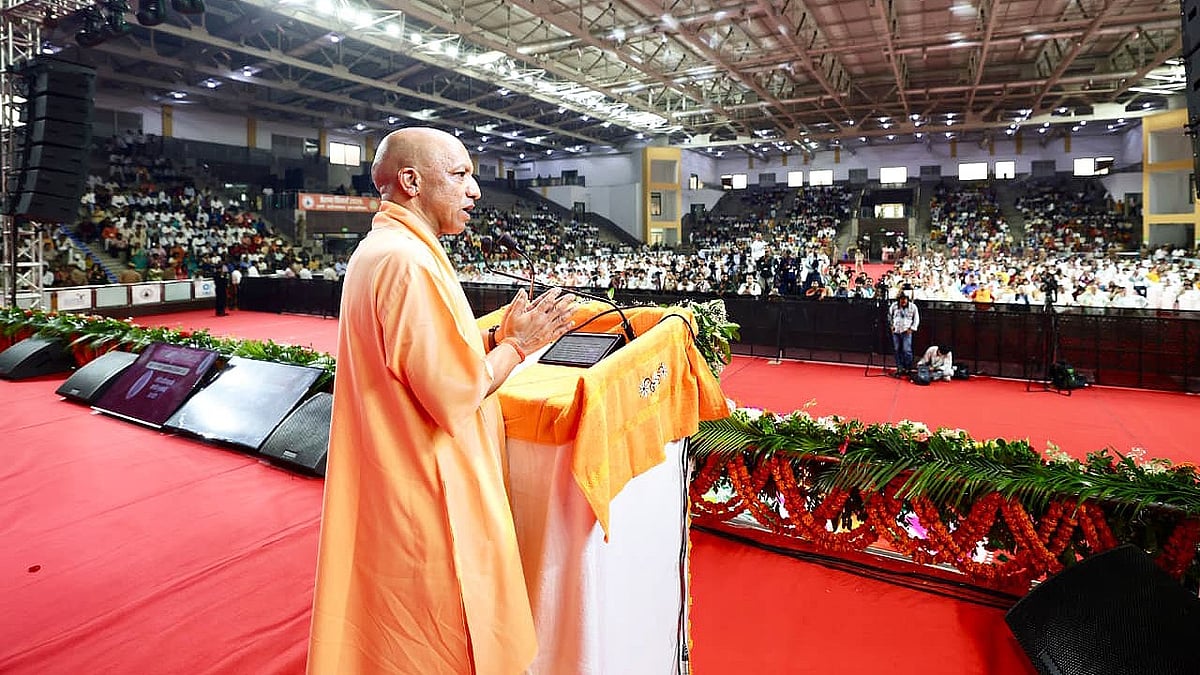
Lucknow, September 21: During the nine and a half years of the Yogi government’s tenure, significant expansion has been recorded in the healthcare infrastructure sector. The network of health facilities has expanded across the State, from district-level institutions to Community Health Centres and Primary Health Centres. Alongside this, emphasis has also been placed on increasing the availability of critical care, diagnostic services, nursing education, and specialist medical services in rural areas.
Over the past nine and a half years, the Yogi government has focused on increasing the number of medical institutions, strengthening facilities at the primary and community levels, and extending specialist medical services to district and block levels. In 2017, there were 109 district-level Government and specialised hospitals in the State, which increased to 234 by 2026. Thus, the number of these institutions registered an increase of nearly 115 percent. During the same period, the number of Community Health Centres (CHCs) increased from 821 to 977. The CHC network expanded by nearly 19 percent.
Similarly, the number of Rural Primary Health Centres increased from 2,811 to 3,035, reflecting a growth of nearly 8 percent. Expansion in Urban Primary Health Centres was comparatively higher. In 2017, there were 542 Urban Primary Health Centres, while by 2026 their number had increased to 721. This level recorded a growth of nearly 33 percent. The total number of Primary Health Centres also increased from 3,353 to 3,756, registering a growth of nearly 12 percent.
A substantial expansion has also been recorded in the number of Health Sub-Centres, considered the lowest unit of the primary healthcare system. In 2017, the State had 20,573 Health Sub-Centres, while by 2026 their number had increased to 28,845. This represents a growth of nearly 40 percent. It reflects efforts to increase the reach of primary healthcare services in rural and remote areas. Alongside the expansion of healthcare services, the Yogi government has also focused on integrating new facilities with healthcare institutions. In 2017, there were no Urban Ayushman Arogya Mandirs; by 2026, their number had reached 1,425. The State has a total of 29,896 Ayushman Arogya Mandirs, including 14,872 centres operating through the National Health Mission as well as centres being run through other mechanisms.
Along with the expansion of healthcare services, the network of nursing education has also been strengthened to develop human resources. In 2017, there were no nursing colleges attached to Community Health Centres; by 2026, their number had increased to 73. The availability of anaesthesia clinics and other specialist services at Community Health Centres has also been expanded. Arrangements have been made for anaesthesia clinics and human resource deployment at a total of 543 Community Health Centres. In addition, the number of oxygen plants has reached 189, and the number of blood storage units has reached 161.
To strengthen critical care services, the availability of digital X-ray machines has also been increased. Under ECRP-2, digital X-ray machines have been provided at 370 Community Health Centres. In addition, ultrasound facilities are also being made available at Community Health Centres. The transformation of the State’s healthcare system is not limited to increasing the number of hospitals alone. The Yogi government has also expanded facilities such as oxygen plants, blood storage units, digital X-ray machines, ultrasound services, critical care blocks, and Integrated Public Health Laboratories.

