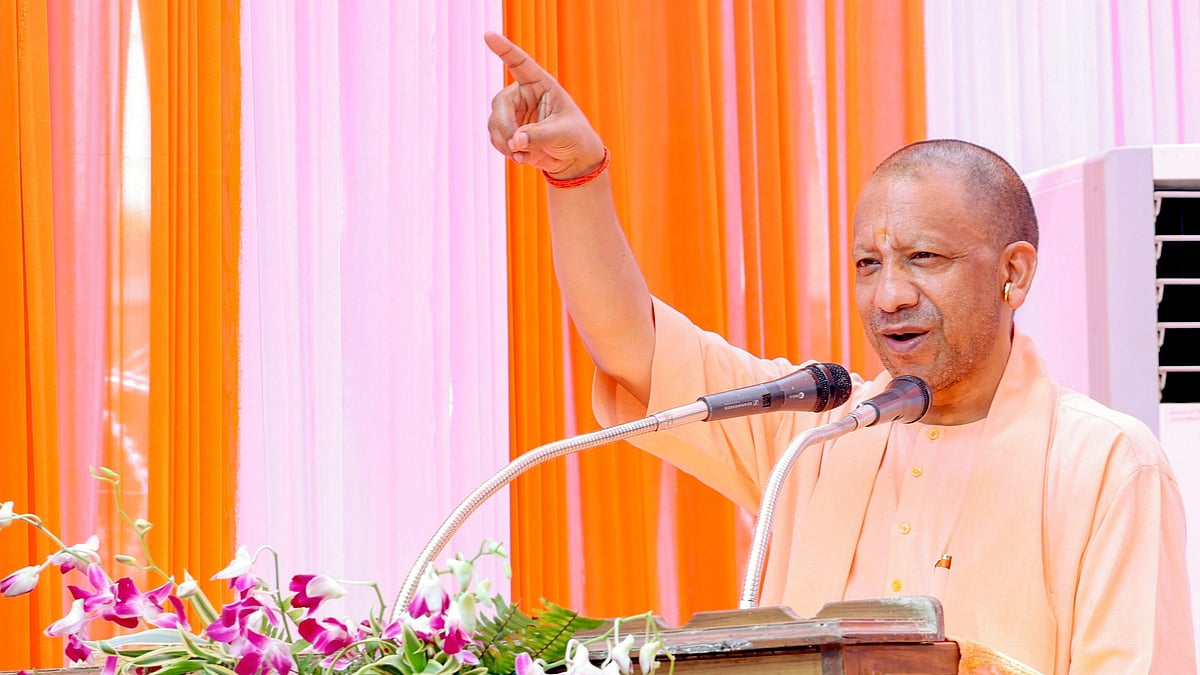
Lucknow: The Yogi government in Uttar Pradesh is playing the role of a guardian for destitute daughters. Under the Mukhyamantri Bal Seva Yojana (COVID-19), the government has not only secured the future of orphaned children but has also attempted to fill the void left by parents by arranging marriages for destitute daughters.
So far, more than 60 such daughters have been married under the scheme. The government is providing financial assistance of ₹1 lakh for their marriages, reflecting its commitment at the grassroots level.
In fact, the Mukhyamantri Bal Seva Yojana (COVID-19) has become a source of hope for thousands of families. Under this scheme, the Yogi government has arranged marriages for 66 destitute daughters so far.
This initiative is not just a government scheme but a reassurance for those daughters who have lost parental support. The government provides ₹1,01,000 for their marriages, helping them begin a new life with dignity.
The scheme was launched in 2021 to support children who lost their parents or guardians due to the COVID-19 pandemic after March 1, 2020. Such children face major challenges related to sustenance, education, and future security. Keeping this in mind, the government created a comprehensive and compassionate support system. At present, 10,904 children are benefiting under the scheme, compared to 13,926 at the time of its inception.
Over time, some beneficiaries have reached adulthood or completed the scheme period, leading to a reduction in numbers. Despite this, thousands of children continue to receive assistance, reflecting the effectiveness of the scheme.
The government provides ₹4,000 per month to meet basic needs, which continues until the child turns 18 or passes Class 12 (whichever comes first). To promote education, 8,085 laptops have also been distributed to help children access digital learning and stay competitive.
The scheme includes several provisions for children aged 0 to 18. Those without guardians are provided free accommodation in government child care institutions. Children aged 11 to 18 are given free education up to Class 12 in Kasturba Gandhi Balika Vidyalayas and Atal Residential Schools, along with additional annual assistance of ₹12,000.
The government has also ensured the protection of these children’s property. District Magistrates have been designated as their guardians to legally safeguard their movable and immovable assets. This step is considered crucial in securing their future.
Additionally, youth aged 18 to 23 are also covered under the scheme. Those pursuing higher education, diplomas, or preparing for competitive exams like NEET, JEE, and CLAT are provided financial assistance of up to ₹2,500 per month. This helps them continue their education and work toward their aspirations.
Dr. Vandana Verma, Director of the Women Welfare Directorate, said, “The Mukhyamantri Bal Seva Yojana (COVID-19) is a sensitive and forward-looking initiative aimed at supporting children and daughters who lost their guardians during the pandemic.” She added that the scheme provides financial aid, free education, digital resources, and safe housing. It also ensures financial support for daughters’ marriages upon reaching adulthood.
The state government’s goal is to ensure that no child or daughter feels helpless and that everyone gets equal opportunities.
