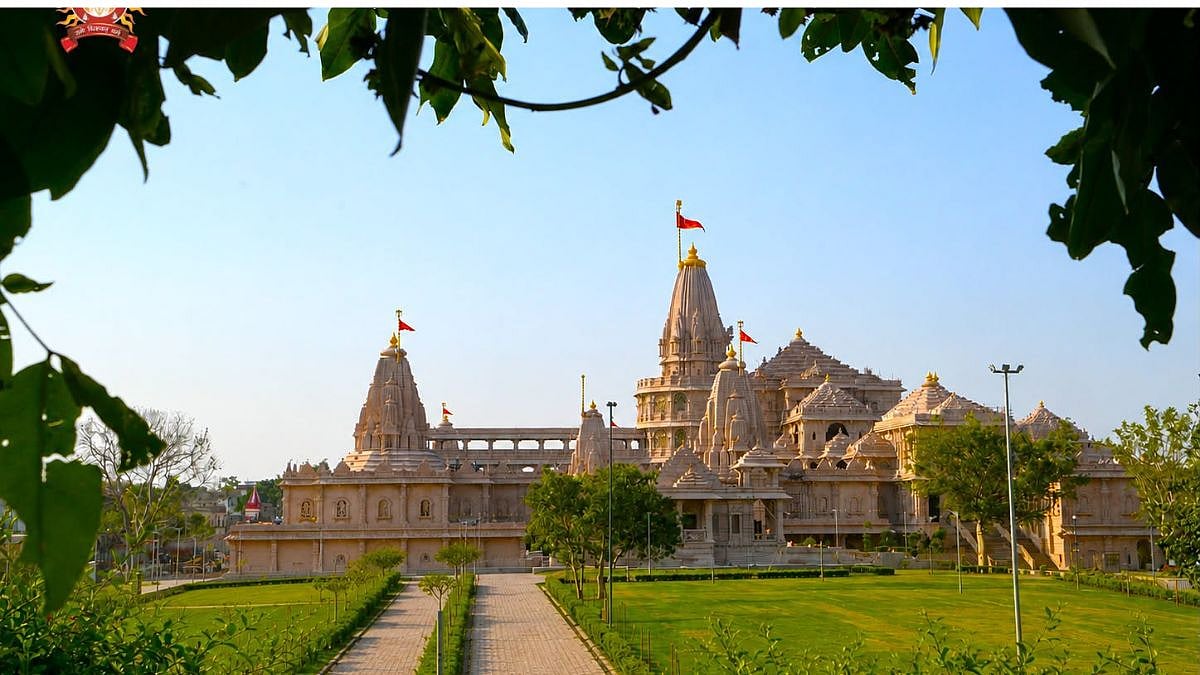
Ayodhya: The selection process for the next chief executive officer of the Shri Ram Janmabhoomi Teerth Kshetra Trust has taken an unusual turn, with over 34-question interview going beyond administrative experience to examine candidates' personal lifestyle, faith in Lord Ram and familiarity with Hindu religious practices.
According to sources, the interviews lasted between 40 and 50 minutes. Candidates were questioned about their faith in Lord Ram and their understanding of Hindu religious customs. They were asked whether they kept a shikha (choti), wore a janeu and whether they were completely vegetarian or ate meat.
The panel also asked candidates whether they consumed alcohol and whether they considered themselves "orthodox Hindus" or people who simply had faith in Hinduism. Questions were also asked about whether they dressed according to Hindu religious traditions.
The questioning on religious practices was accompanied by questions on leadership, administrative experience and participation in religious and social activities. The selection process is aimed at finding an administrator who can manage the rapidly expanding operations of the Ram temple while also understanding the religious character of the institution.
In one interview, a former IPS officer was asked whether he had read the Ramcharitmanas. Another candidate was reportedly asked to recite a chaupai from the Sundarkand. The questions were intended to assess candidates' familiarity with Hindu religious texts and traditions, sources said.
All 18 shortlisted candidates reached Ayodhya on Monday night. They stayed at different locations in the temple city as directed by the trust. Among those who appeared for the interviews on Tuesday were former IPS officer Rajesh Pandey and former Jaunpur district magistrate Dinesh Chandra.
The three-member selection committee comprises retired Justice Pramod Kohli, former scientist Dr Suresh Haware and retired Lieutenant General Vishnu Kant Chaturvedi. The committee is expected to prepare a panel of three candidates from the 18 shortlisted applicants and submit it to the trust before September 2.
The trust is expected to conduct the final interview before making the appointment. The name of the new CEO could be announced at the trust meeting scheduled for September 2.
The 34 questions also covered the candidates' professional backgrounds and their ability to handle the administrative challenges associated with the Ram temple. Applicants were required to have at least 20 years of experience in areas including general administration, finance, human resources, public relations, information technology, security and law and order.

Leadership and crowd management were major areas of assessment. Candidates were asked about the size of organisations they had headed and whether they had experience managing teams of 1,000 to 5,000 or more employees.
The panel also sought details of major events managed by the candidates, including the number of people attending, duration, year of the event and the candidate's specific role.
The interviews also examined candidates' participation in religious and social activities. The combination of professional and personal questions suggests that the trust is looking for someone who can function both as a professional administrator and as the administrative head of an institution with a strong religious identity.
The age limit for the CEO post has been fixed at 50 to 70 years. The appointment will initially be for three years and may be extended on the basis of performance.
Also Watch:
The CEO will oversee day-to-day administration, coordination among departments, human resources, financial discipline, security, public relations, devotee facilities and crowd management. The officer will also supervise arrangements for major religious events and festivals.
The general secretary will continue to remain the key administrative authority within the trust. Important financial, administrative and development decisions will remain with the trust, while the CEO will be responsible for executing its policies and decisions.

