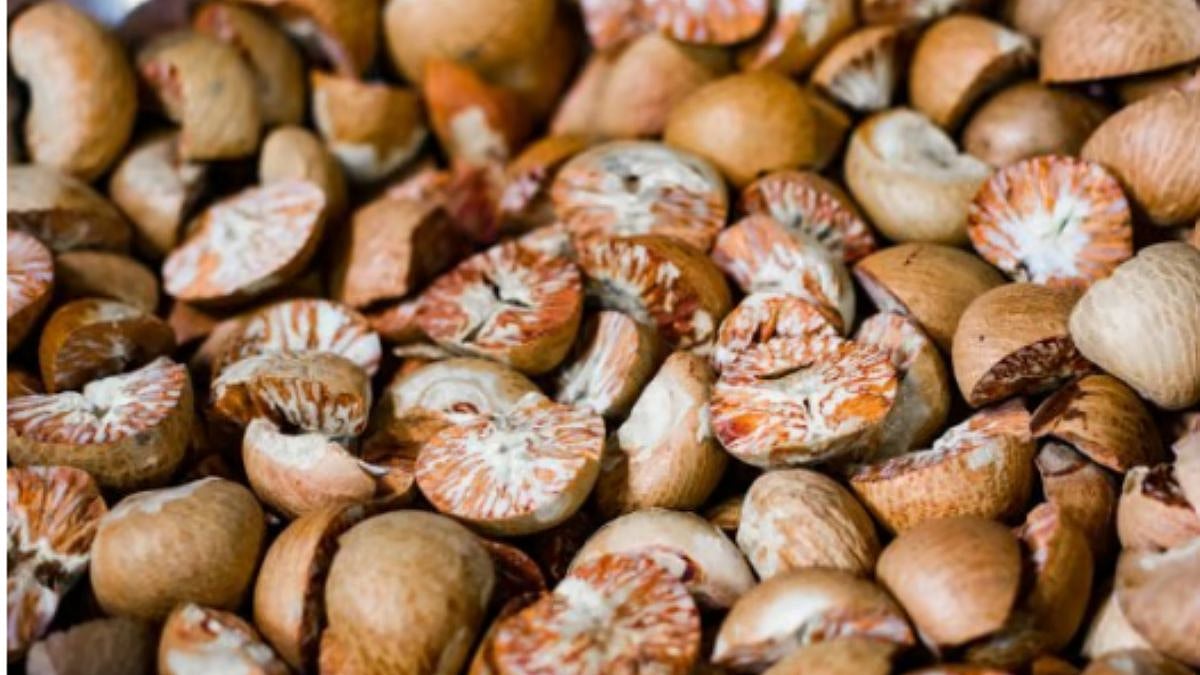
Varanasi: As India’s festive and wedding season fills the air with celebration, an age-old cultural symbol continues to hold a special place in rituals and traditions—the betel nut, popularly known as supari. According to astrologer Ved Prakash Pandey, the betel nut is far more than a simple seed; it is a symbol of respect, prosperity, spirituality and social bonding.
For centuries, betel nut has been an integral part of Indian customs. Often offered along with betel leaves, it is regarded as a traditional gesture of hospitality and goodwill. Welcoming guests with paan and supari is still practiced across many regions, reflecting warmth, trust and mutual respect.The significance of betel nut extends deeply into religious life. It is considered auspicious in Hindu traditions and is commonly offered during pujas, festivals and temple rituals. Ancient scriptures such as the Vishnu Purana mention the betel nut as a sacred offering believed to attract positive energy and purify the surroundings.
Supari also plays a prominent role in Indian weddings. In many communities, the exchange of betel nuts symbolizes the union of two families, prosperity and a lifelong bond between the bride and groom. Guests are often presented with betel nuts as a blessing for happiness and success.Across states such as Assam, Kerala, Rajasthan and Karnataka, the use of betel nut varies in form but remains culturally significant. Whether exchanged during festivals, used in traditional ceremonies or shared during social gatherings, it continues to strengthen community ties.
Despite changing lifestyles, the humble betel nut remains a living symbol of India’s rich heritage, connecting generations through customs, faith and shared traditions.
