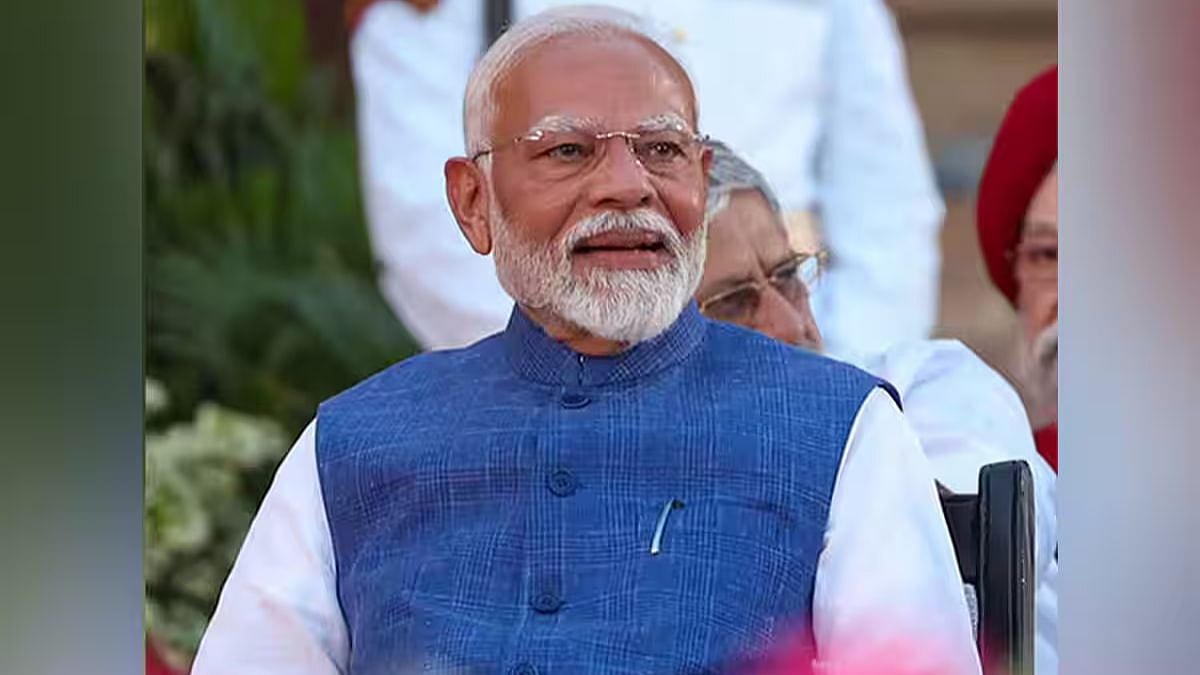
Narendra Damodardas Modi was born on September 17, 1950, in Vadnagar, Gujarat. He was the third of six children of Damodardas Modi and Hiraba Modi.
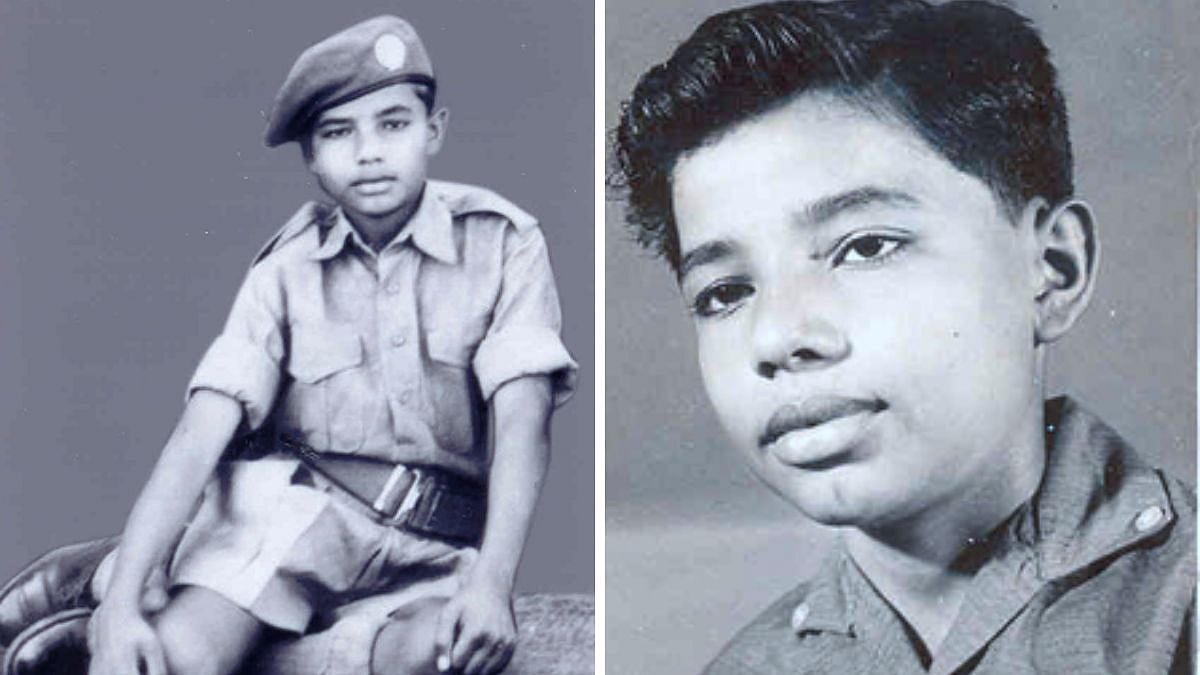
Modi spent his early years in Vadnagar, where his family lived in modest circumstances. His father ran a tea stall at the local railway station, where Modi also helped him during his childhood.
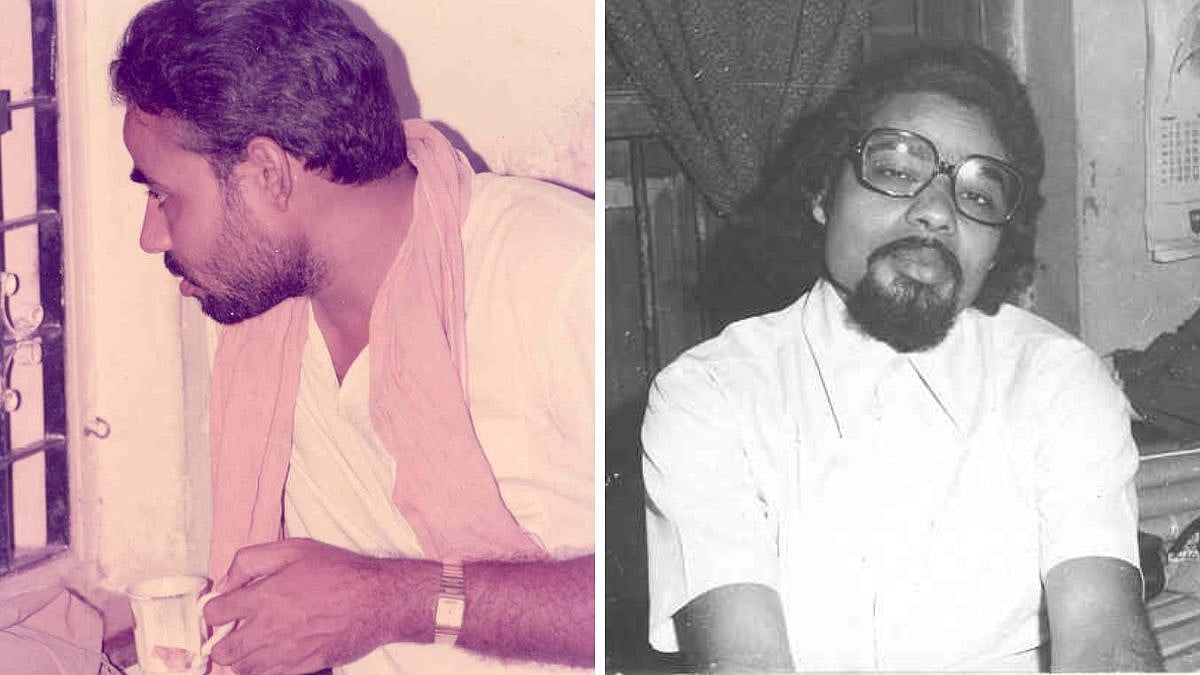
As a young boy, Modi developed an interest in public service. The official biography recounts his involvement in relief efforts during floods and his efforts to serve soldiers at the railway station during the India-Pakistan war.
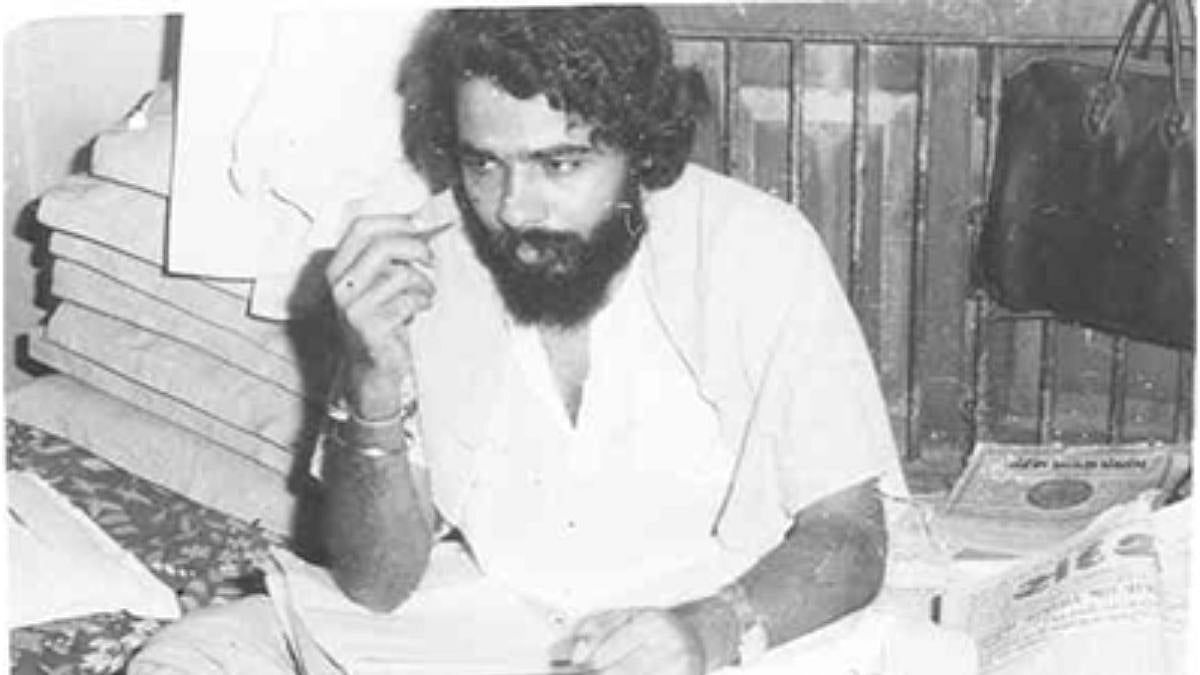
Modi was introduced to the Rashtriya Swayamsevak Sangh at the age of eight through local youth meetings. His association with the organisation later became a defining part of his early public life.
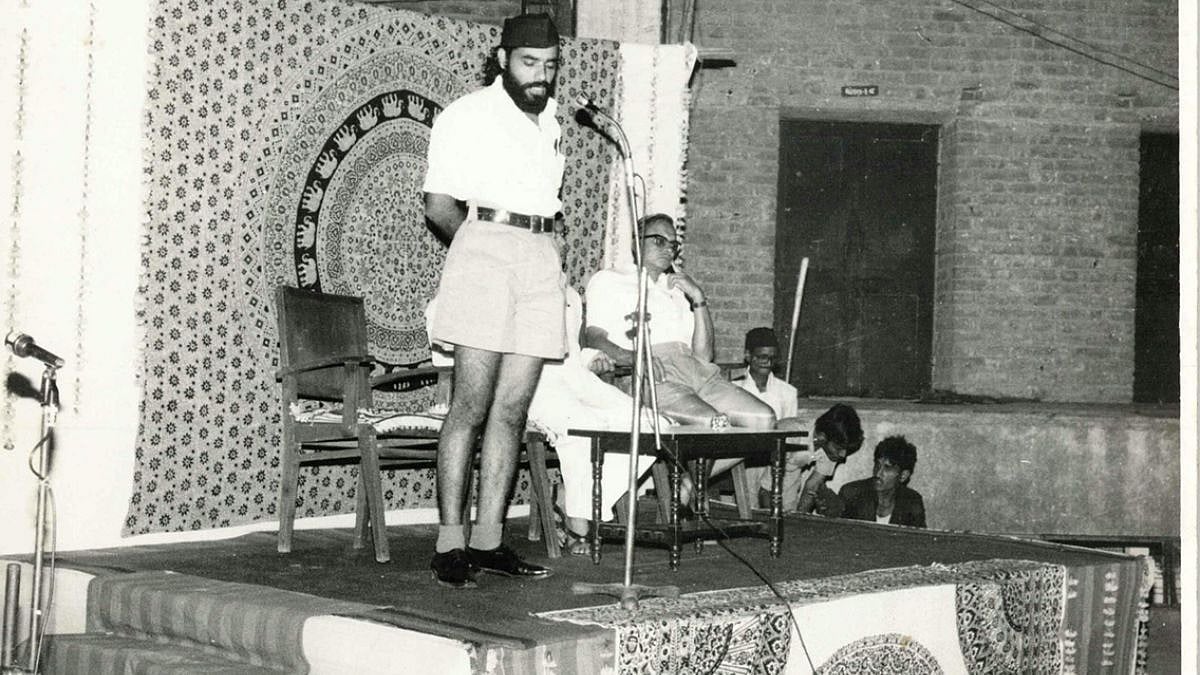
Modi soon became a full-time RSS worker. In 1972, he became a Pracharak, taking up organisational responsibilities across Gujarat while pursuing his studies in political science.
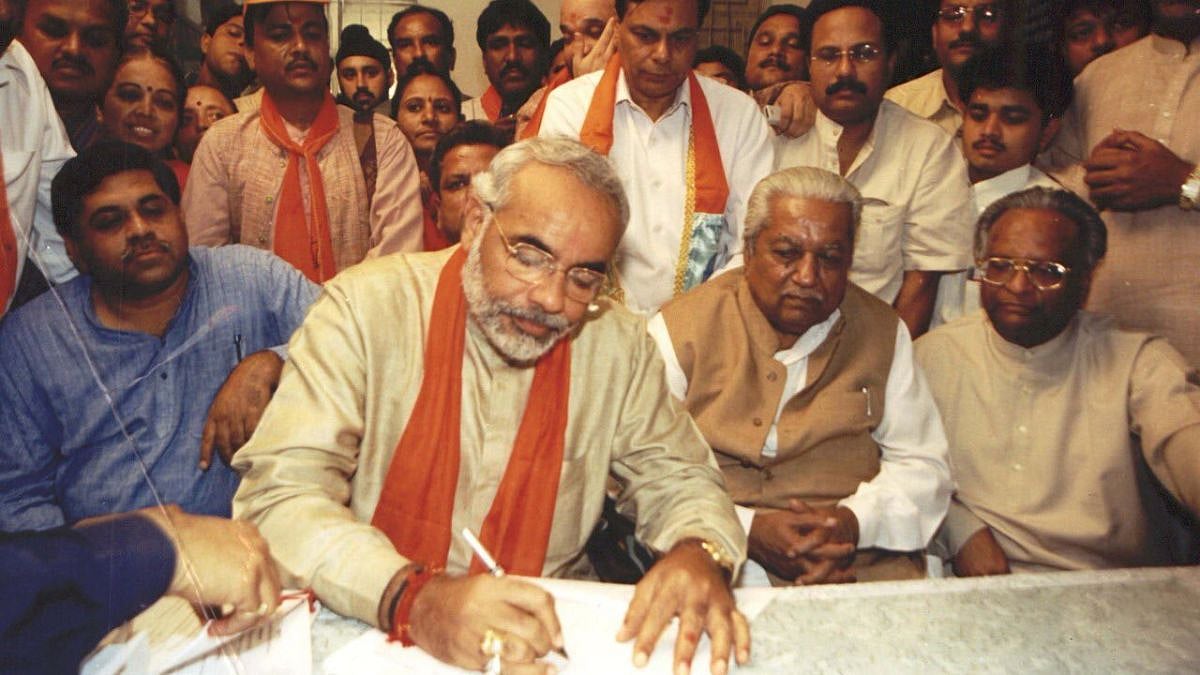
Modi entered the Bharatiya Janata Party in the early 1980s. His organisational work and political experience saw him rise through the party ranks and play a role in strengthening the BJP's presence in Gujarat.
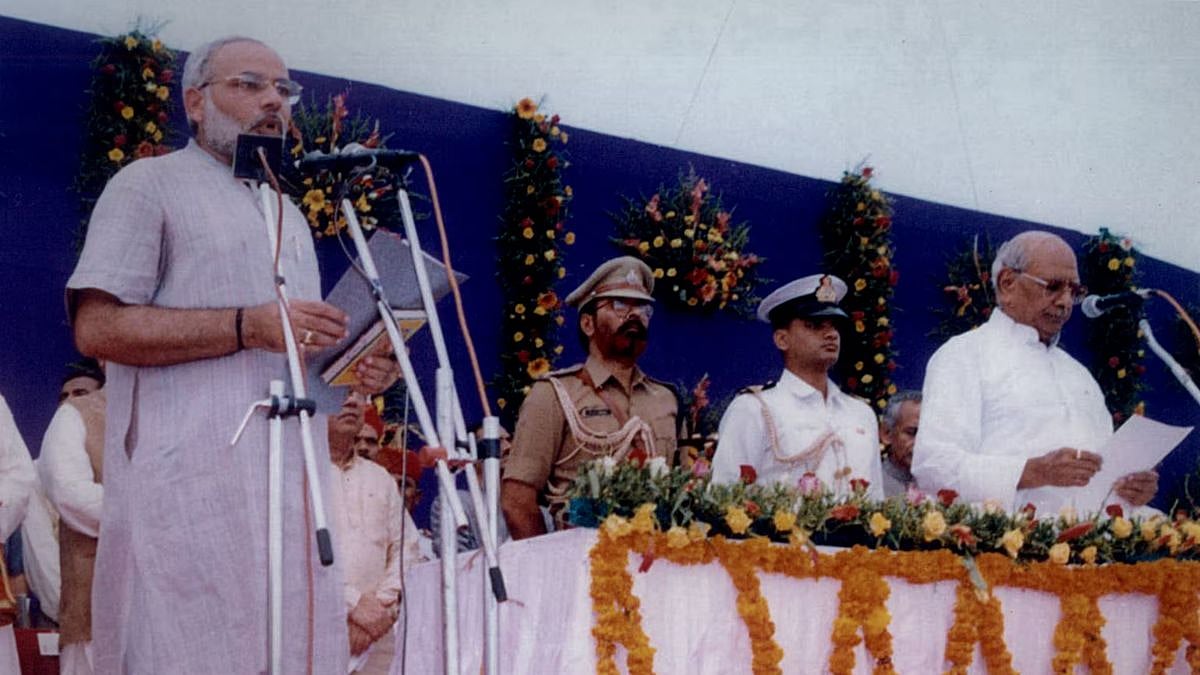
On October 7, 2001, Modi was sworn in as the Chief Minister of Gujarat, beginning a tenure that would last for more than 12 years. He went on to serve as the state's Chief Minister until May 2014.
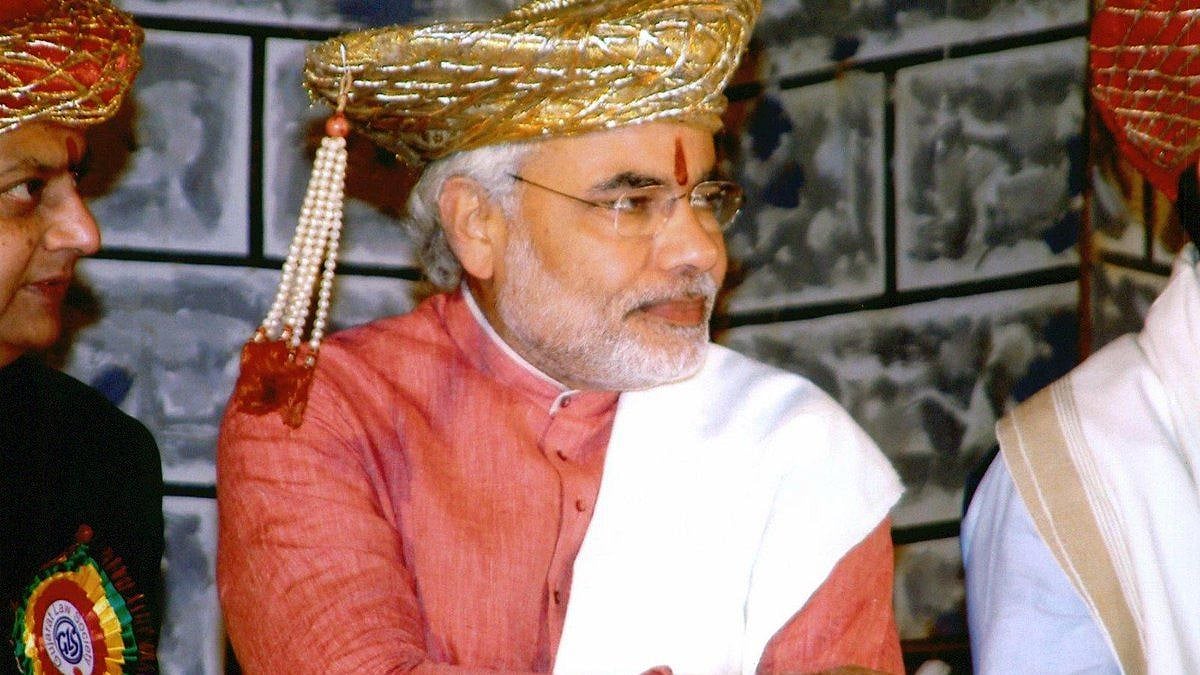
During his tenure as Gujarat Chief Minister, Modi's administration focused on areas including infrastructure, investment and development. He also promoted the Vibrant Gujarat Summit as a platform to showcase the state's investment opportunities.
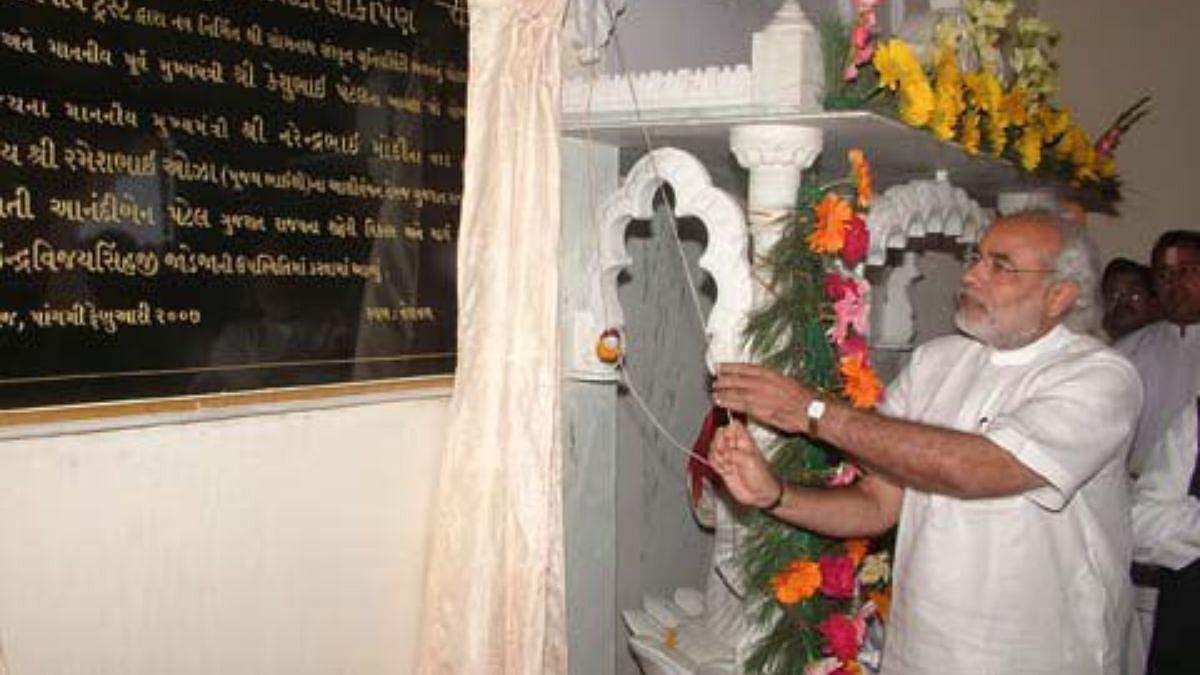
In 2013, Modi was named the BJP's prime ministerial candidate for the 2014 Lok Sabha elections. The move marked his transition from state-level politics to the centre of national electoral politics.
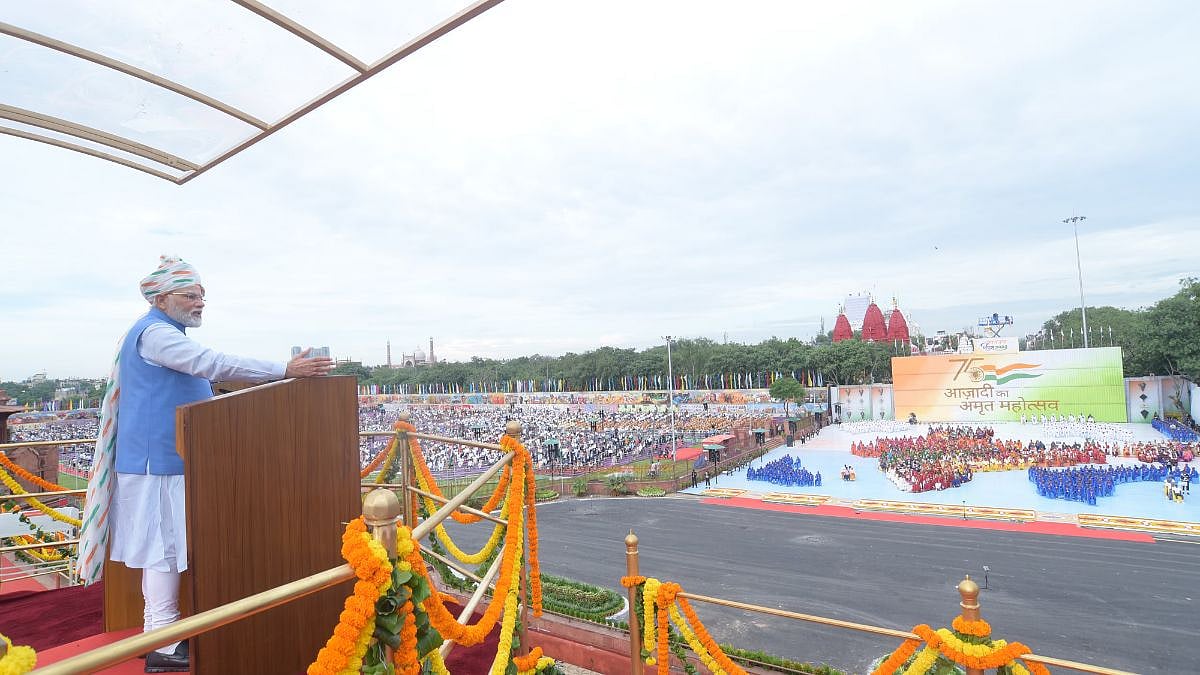
The 2014 general election campaign brought Modi onto the national stage as the BJP's prime ministerial candidate. The party secured a majority in the Lok Sabha, paving the way for his first term as Prime Minister.
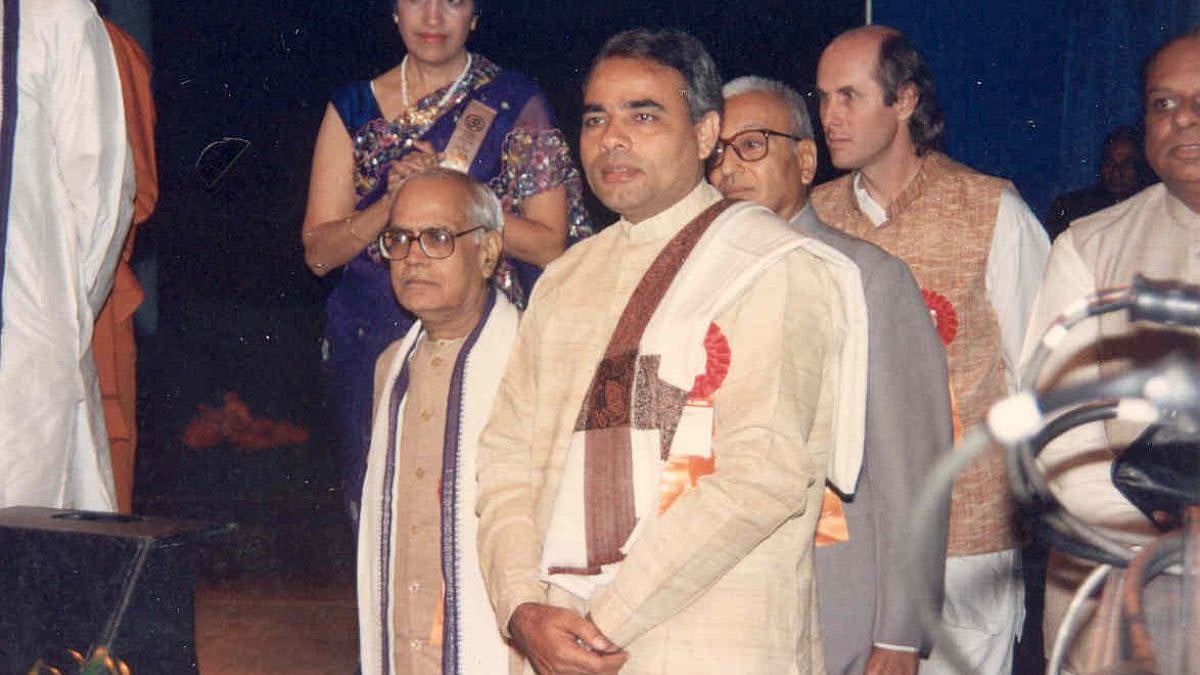
On May 26, 2014, Narendra Modi was sworn in as India's 14th Prime Minister. His first term included initiatives such as Make in India, Digital India and Swachh Bharat Abhiyan.
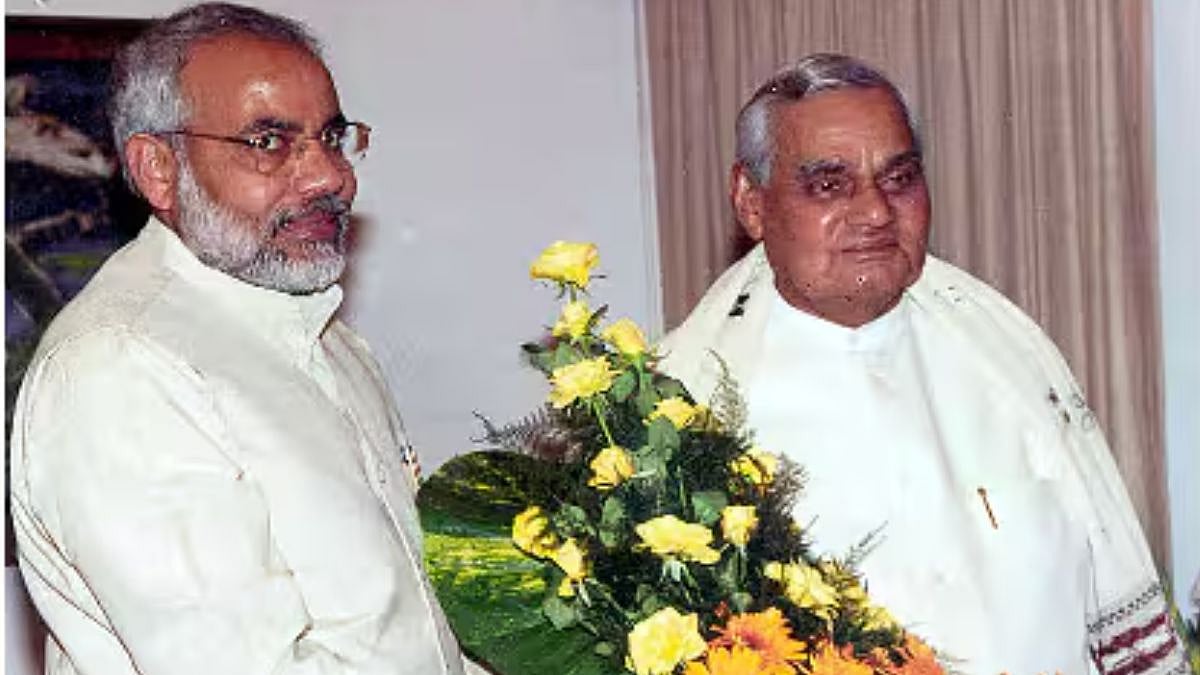
Modi's first term also saw an increased focus on India's engagement with the international community. His government promoted initiatives including International Yoga Day, which received support at the United Nations.
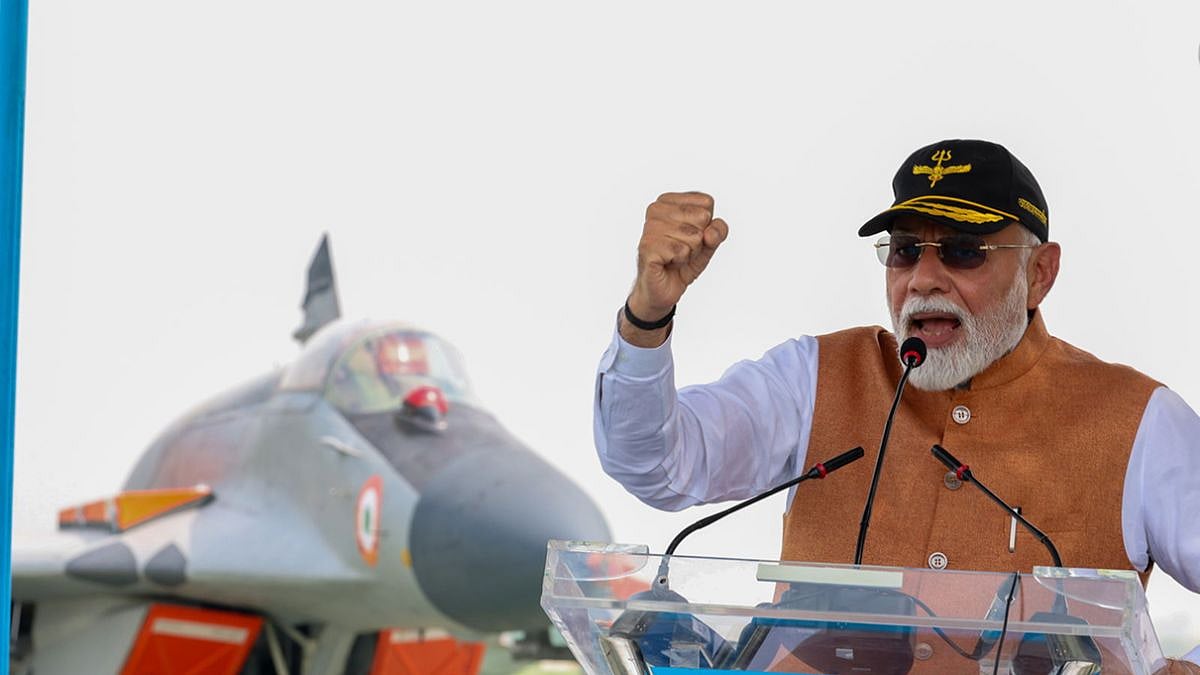
In the 2019 Lok Sabha elections, the BJP secured another majority, with Modi returning as Prime Minister. He took oath for his second term on May 30, 2019.
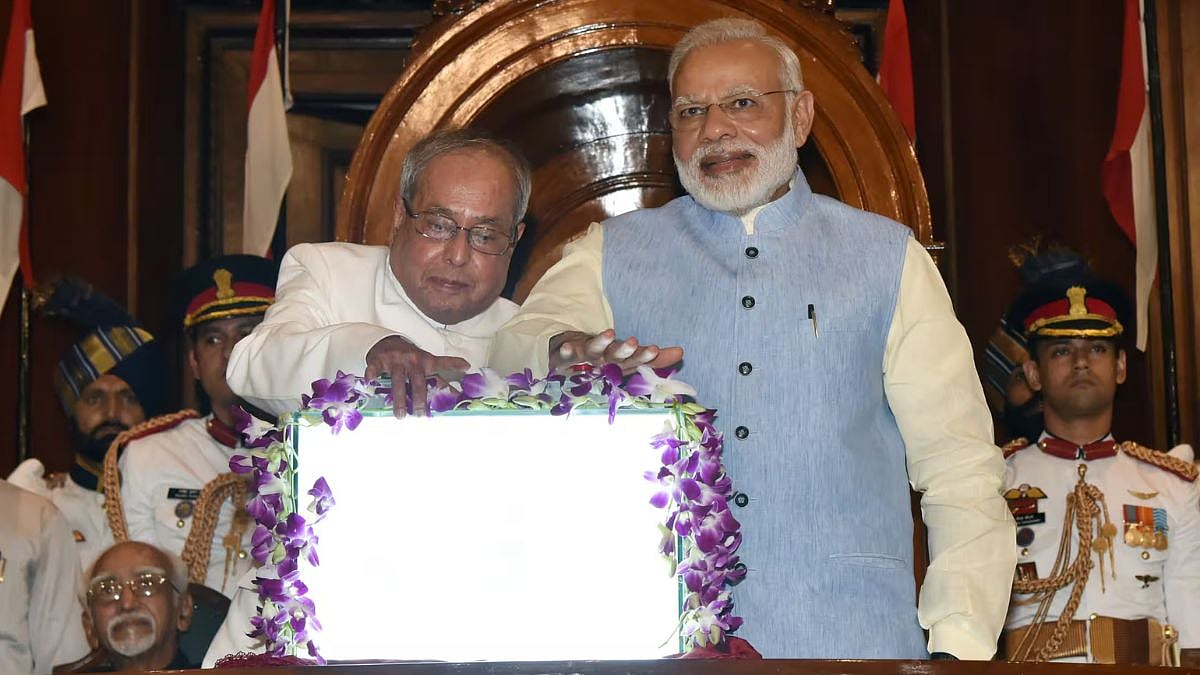
Following the 2024 Lok Sabha elections, Modi was sworn in as Prime Minister for a third consecutive term. His third term began with the new government taking oath in June 2024.
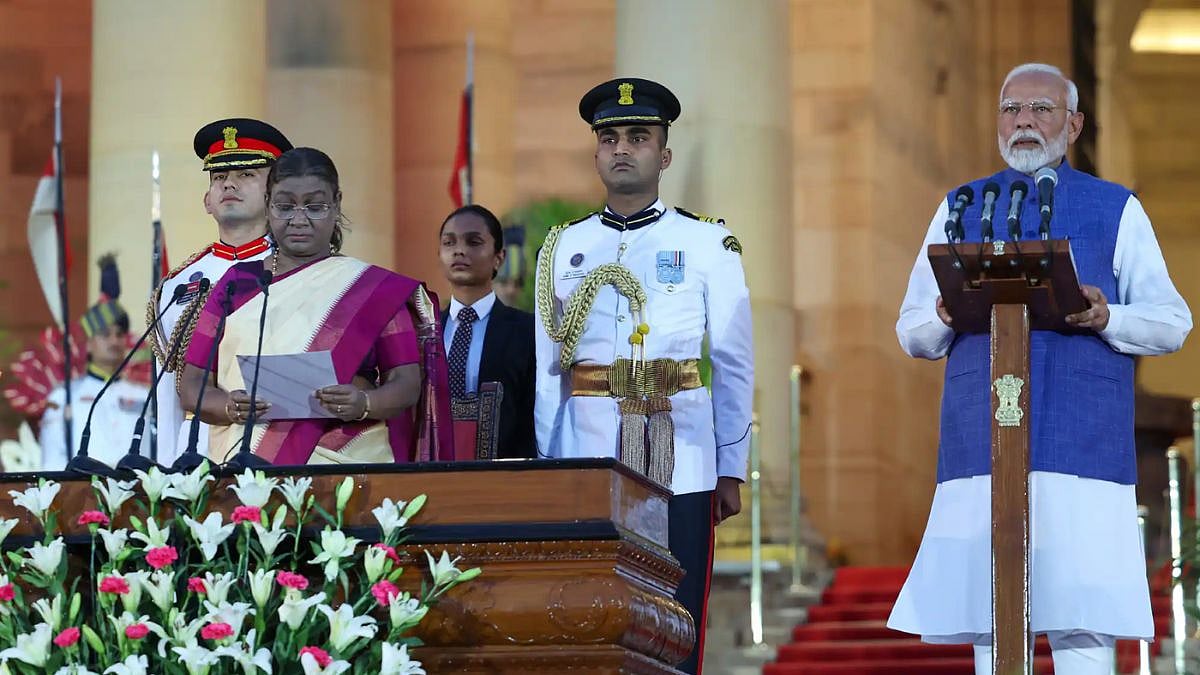
From his early years in Vadnagar and his association with the RSS to his years as Gujarat Chief Minister and his three terms as Prime Minister, Narendra Modi's political journey has spanned more than five decades. Today, he serves as India's Prime Minister.