Krishna Bahirwani highlights what the New Year will have in store for you
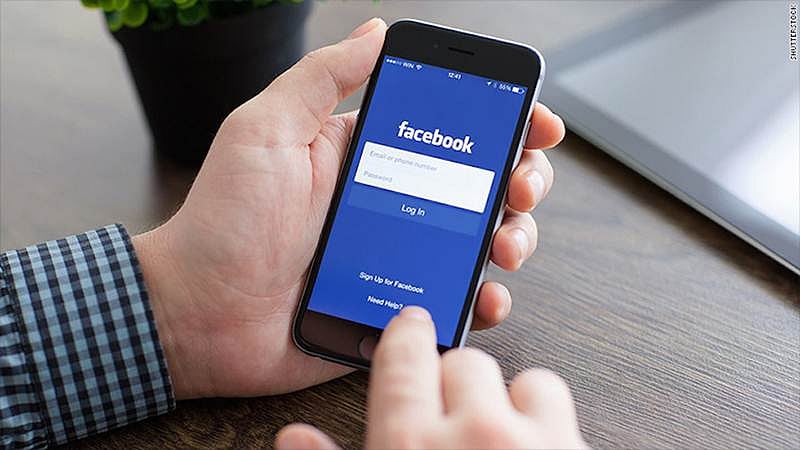
Social media will have to tackle fake news
Web sites have been deliberately publishing hoaxes, propaganda and disinformation while using social media to drive traffic and amplify their impact. This fake news phenomenon affected the US Presidential election, created a bomb scare in Bangkok and caused the Pakistani Defense Minister to issue a nuclear threat against Israel amongst other things.
Facebook has an algorithm that activates a safety check when there is a man-made or natural disaster in a specific area, this was triggered when the fake bomb blast was supposed to have occurred sending thousands of people into a state of panic.
Also Read: Facebook takes on Google Doodle with new programme
This kind of use of social media has begun to kill people’s trust in mediums like Facebook and Twitter as news sources. Since news is one of the reasons people visit these websites, they will be compelled to combat this menace or risk losing a share of their users.
Streaming services will become even more mainstream
In 2016, global players Netflix and Amazon Video made their way into the Indian market to join Indian players like Hotstar and Voot. All these platforms have either created original content for India or are currently working on creating something original for the country.
As these platforms begin to get cheaper and more accessible, thanks to the ability to access this content across a range of devices, we will see more and more people make the shift away from conventional television. This switch will bring to us the first generation of Indian streaming celebrity.
2017 will be the year of the VR wars

The biggest players in the VR space – Oculus, HTC and Sony, all launched their VR headsets in 2016. Even though the tools were available to create VR experiences, we did not see too many releases in this year. There have been a lot of announcements for VR experiences coming out next year including the likes of Star Trek and Ace Combat. Everything from movies to gaming is making the transition to VR and 2017 will reveal which device will capture the high-end market. VR will also make a big impact in the mobile space.
Smartphones have reached a stage where they have become stagnant, they are only able to push out marginally incremental updates each year without much difference in the actual user experience. This has lead to a reduction in the number of people who feel the need to upgrade. This year, a lot of notable mobile phone manufacturers bundled their handsets with economical VR headsets. These VR headsets have enabled manufacturers to actually create a visible reason to upgrade by allowing customers to get a taste of what VR has to offer.
Augmented reality will start to really pick up
After the massive success of Pokemon Go and Snapchat in 2016, few doubt the potential of augmented reality. These applications, however, only leverage a small portion of what augmented reality has to offer. The technology allows you to overlay your surroundings with anything you like and the use cases are only limited by your imagination. After gaming and photo sharing, fashion, real estate and retail are sectors that will be affected by augmented reality in 2017.
Bots will become a bigger part of customer service
Many of the world’s largest multinational companies spend millions of dollars on hiring customer service executives. With the advent of speech recognition AI, these jobs are already reducing in number as bots are able to process relatively simple queries that take up hours of human time. As artificial intelligence becomes more evolved we will see a lot more of these jobs disappearing.
The race for cloud computing will get new players
Cloud computing has been around for a while now, with worldwide spending on services set to double in the next five years. While the scene is currently dominated by Microsoft’s Azure, Amazon AWS and Google compute in the commercial space, this has the potential to change with a new type of players entering the market.
The big three of the cloud offer clear benefits to companies making the shift to the cloud through cost reduction and increased efficiency. They, however, come with their own rules, level of service and management platform which may not cater to everyone. This gap in the market will allow a new generation of players offering the same quality of service but with a lot more control over the environment.
Also Read: Facebook Messenger now lets you video chat with 50 friends
Cloud computing in the personal space will also get more players due to the demand for specialised services. Cloud used to just be about storage but we are only now realising the varied range of services it can offer. As we move to 2017, we will see players entering the personal cloud space offering a lot more than just storage.
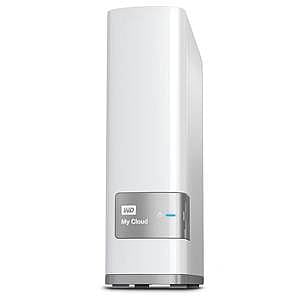
With collaboration and security being some of the most requested services, players like Spider Oak, Wuala and Tresorit are likely to get a lot more prominence. We will also see an increase in the number of personal cloud drives one can setup at home for those only looking for storage.
