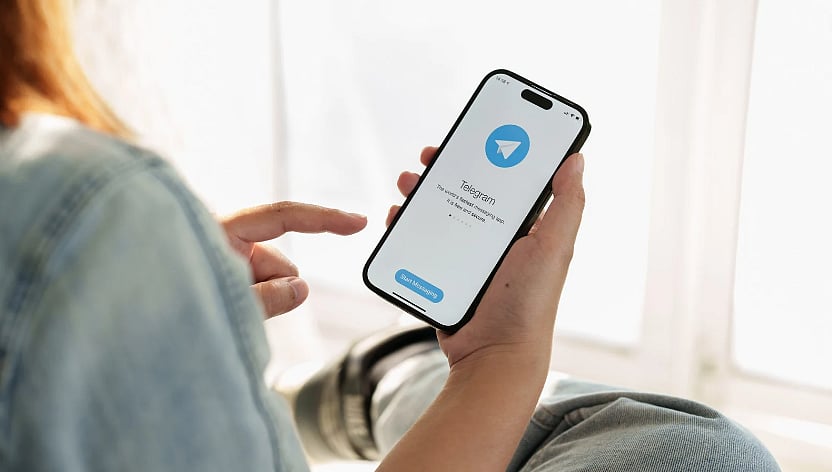
The Union government has told the Delhi High Court that Telegram has effectively become 'the new dark web', linking criminals and enabling illegal activity on a mass scale, according to a counter-affidavit filed by the Ministry of Home Affairs and the Ministry of Electronics and Information Technology (MeitY).
'Criminals have rapidly adopted Telegram': Government Affidavit
The counter-affidavit states that "Telegram has become the new dark web, linking threat actors. Criminals have rapidly adopted Telegram to post links on channels that connect to dark web forums through deep web links, making it hard for authorities to track and attribute criminals."
The submission was made in response to a petition filed by Telegram challenging the government's order temporarily restricting access to the platform in India. MeitY had issued the direction under Section 69A of the Information Technology Act, 2000, restricting access to Telegram till June 22, with a separate order directing the platform to disable its message-editing feature for previously posted messages till June 30.

Government cites terror content and child exploitation material
According to the affidavit, extremist content linked to terror organisations was being propagated through Telegram groups and channels by entities associated with such organisations, with the intent to spread misinformation or destabilise public order. The government further alleged that the platform was being used to transmit Child Sexual Exploitative and Abuse Material (CSEAM), along with pirated movies, web series and other paid media content.
The affidavit also pointed to a significant rise in cybercrime complaints filed on the National Cyber Crime Reporting Portal (NCRP) that named Telegram as the medium used to carry out fraudulent and criminal cyber activities, with bots on the platform allegedly facilitating access to citizens' personal data, including mobile numbers and Aadhaar details.

NEET paper leak triggered the ban
The government's decision to restrict the platform was rooted in concerns that Telegram channels had been used by organised cheating networks involved in the NEET-UG 2026 paper leak, which led to the cancellation of the exam originally held in May 2026. Officials cited the example of a channel called 'Neet Mafia,' which had around 18,617 subscribers and was allegedly used to circulate content related to the leaked exam, advance booking arrangements, payment collection, and assurances of access to exam material. The affidavit argued that the scale of the channel alone demonstrated Telegram's capacity to spread unlawful exam-related content to thousands of users simultaneously.
The government also attributed the scale of misuse to Telegram's cloud-based technical architecture, which it said permits the transmission of large volumes of content.
Solicitor General defends ban before Delhi HC
Appearing before a bench of Justice Tejas Karia, Solicitor General Tushar Mehta argued that cybercriminals, fraudsters and other malicious actors were operating on the platform under the cover of anonymity, and that concerns prompting the government's action went well beyond the NEET-UG re-examination controversy. Telegram is estimated to have over 15 crore users in India.
The case remains before the Delhi High Court, with Telegram contesting the restriction order.

