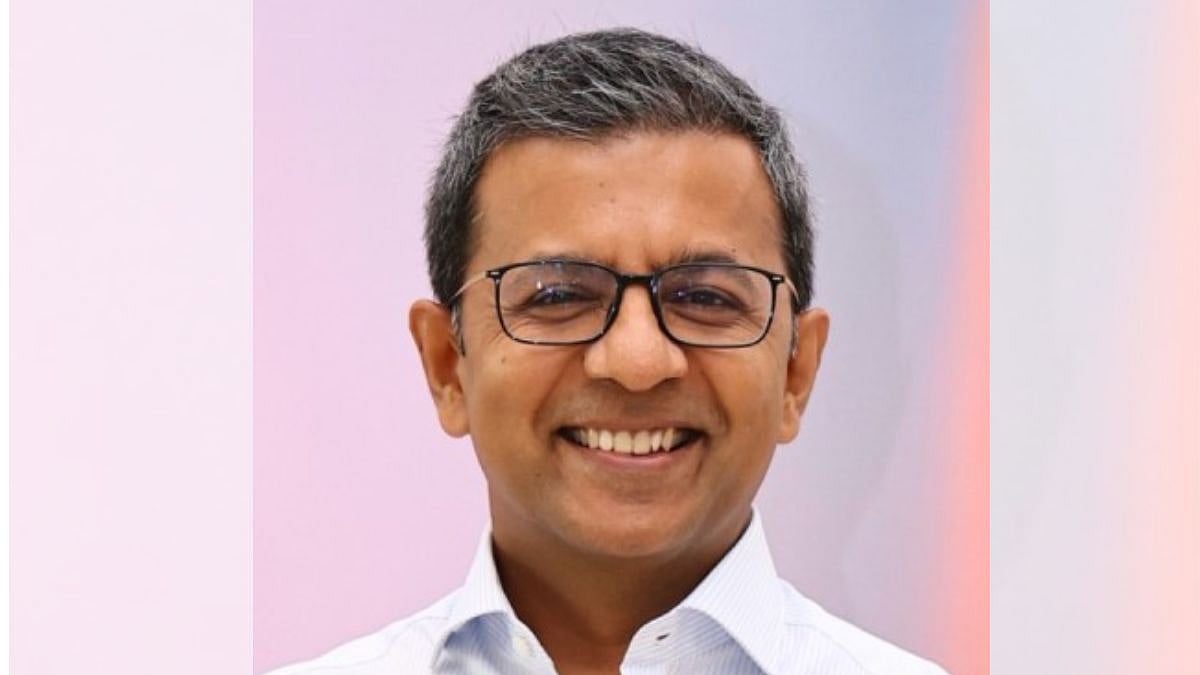
Raghav Gupta, Head of Education for India and Asia Pacific at OpenAI, spoke at a 'Future Of Knowledge' event in India, laying out a nuanced picture of how AI is reshaping classrooms and campuses. Gupta has flagged the growing misuse of AI tools by students as a genuine concern, while making the case that the answer lies not in avoiding the technology, but in using it correctly.
"Students are using it as a shortcut tool, as a cheating tool, and it will compromise their learning, which I think is true," Gupta said at a Future Of Knowledge event in India. "Students should not use ChatGPT just to do their homework and get done with it."
The remarks reflect a tension that educators across India are grappling with - AI tools are now widely accessible, but the instinct in many schools has been to treat them as a threat rather than an opportunity. This was first reported by Economic Times.
Schools vs. higher education: A tale of two approaches
Gupta noted that the picture across India's education system is not uniform. "Like with most things in the country, the picture has many different colours," he said, pointing to a clear divide between how schools and universities are approaching the technology.
At the school level, the dominant concern remains misuse. Administrators and teachers worry that students will lean on generative AI to bypass actual learning - a fear Gupta acknowledged as legitimate. But at the higher education level, he said, the conversation has moved to a more productive place, encompassing both pedagogical improvement and workforce readiness.
What higher education is getting right
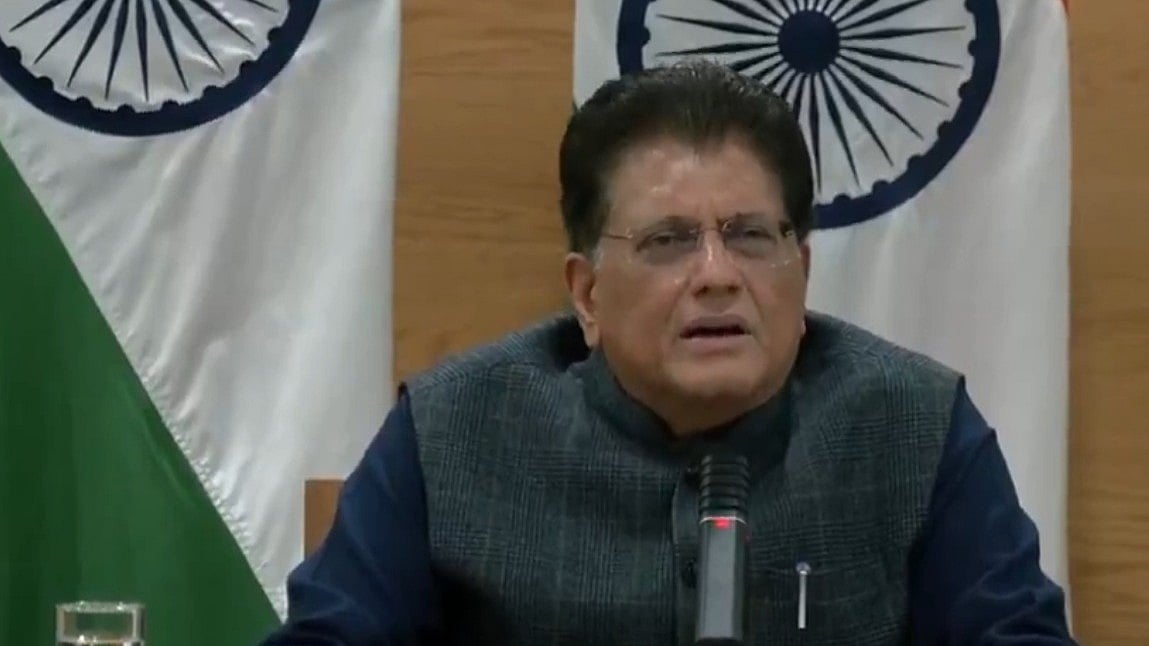
For college and university faculty, Gupta said AI is opening up possibilities that go well beyond convenience. Teachers are now talking about updating curricula in real time, designing more relevant assignments, and moving away from outdated material.
"We can update curricula, we can do more relevant assignments, move away from case studies which are 30 years old to developing case studies which are from today and contextual," Gupta said, describing the shift faculty members are voicing.
IIM Ahmedabad model: AI for every student, every faculty member
One of the most concrete examples Gupta cited was OpenAI's partnership with IIM Ahmedabad, announced in February this year. The institution, he said, has taken a particularly forward-looking position, deciding to make frontier AI tools available not just to a select few, but to everyone on campus.
"IIM Ahmedabad is saying, look, we are the frontier institution in the country and we want to be able to get our managers ready to go into organisations to be able to work with AI seamlessly," Gupta said. "All students, all faculty, all staff at IIM Ahmedabad have access to frontier versions of OpenAI tools where it is becoming an integral part of the education process."
The model, he suggested, is one that other institutions could learn from, embedding AI into the fabric of education rather than treating it as an add-on or a threat to be managed.
AI Literacy should become the new baseline
Gupta's broader argument was that the stakes extend well beyond academic performance. As companies increasingly expect new hires to be AI-literate from day one, institutions that fail to prepare students risk sending them into a workforce they are not equipped for.
"The kind of knowledge we need is changing because we need you to be AI literate, and getting students ready for that hopefully is accelerating as well," he said.
To make the point land, Gupta reached for a now-familiar analogy – butanalogy – but one that remains clarifying. "What Microsoft Office and Excel was in the early 2000s, AI is what it is today. At least be ready and adopt it."
Cutting through both the concern and the enthusiasm, Gupta's core message was one of direction. For teachers, AI offers a path to both higher productivity and higher quality. For students, it offers the ability to build more, learn more deeply, and graduate better prepared. The risk, he said, lies in choosing the easy path over the right one.

