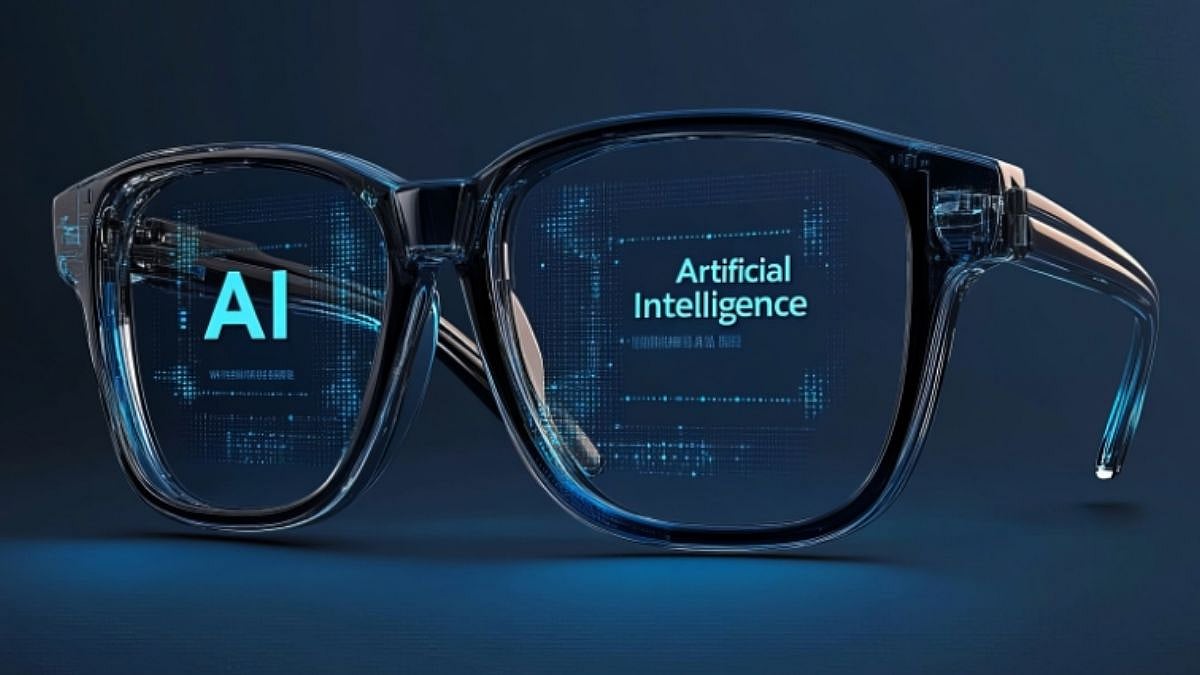
Seoul: Two people have been caught cheating on the TOEIC English-language proficiency test using artificial intelligence (AI) glasses in first such case in South Korea, the test administrator said on Wednesday.
The two people were caught while sitting the exam on May 10 and 31, respectively, after proctors reported suspicions they were wearing AI glasses, according to the Korea TOEIC Committee, reports Yonhap news agency.

Under committee regulations, the test results of both individuals were invalidated and they will be banned from taking the test for the next four years, the committee said.
AI glasses, which combine cameras and microphones with generative AI, can analyse captured images and relay information to users through the lenses or built-in speakers.
Some recently released models closely resemble regular spectacles, making them difficult to detect with the naked eye.

The committee said it has been training proctors to better detect AI glasses. Education authorities have also reportedly been considering a ban on bringing such devices to test centres during the country's annual college entrance exam.
Meanwhile, SK Telecom Co. said on Wednesday it has joined hands with major telecommunication operators from Japan and Taiwan to form a joint fund for investments in next-generation artificial intelligence (AI) technologies.
SKT, Japan's NTT Inc. and Taiwan's Chunghwa Telecom Co. have agreed to establish Catalight Capital, a company that will manage a joint fund of around US$500 million created by the three firms, SKT said.

Investments will target promising startups in North America, Asia and Europe, in various areas of the entire AI value chain, from cooling systems to AI chips and AI service applications.
Chip giant SK hynix Inc. is also preparing to participate, SKT added.
"We expect the fund will serve as an opportunity to connect the AI, ICT, semiconductor and network technology capabilities of East Asian countries, including South Korea and Japan, with the global innovation ecosystem," SKT said in a release.
(Except for the headline, this article has not been edited by FPJ's editorial team and is auto-generated from an agency feed.)
