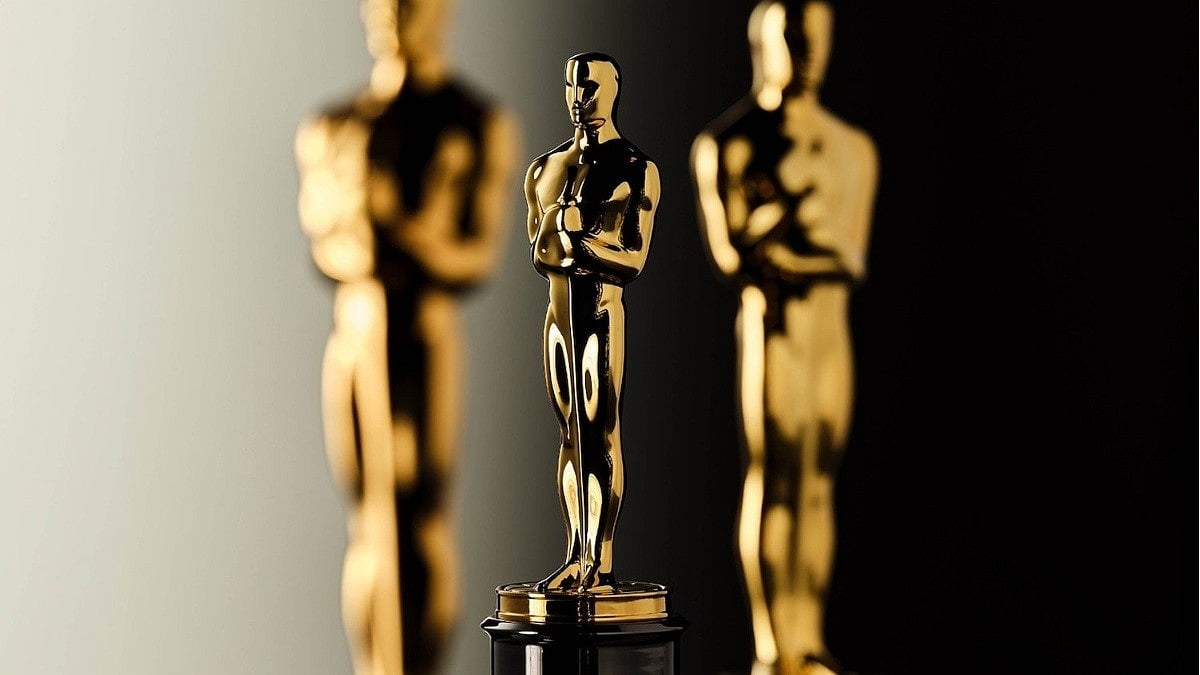
The Academy of Motion Picture Arts and Sciences has moved to draw a clear line on the use of artificial intelligence in films, making it explicit that AI-generated actors and writers will not be eligible for Oscars in key categories.
Under the new rules, only performances carried out by humans and screenplays written by individuals will qualify for acting and writing awards, starting with the 2027 Oscars.
While filmmakers can continue to use AI tools in production, fully synthetic performances or scripts will be disqualified from consideration.

The move comes amid growing concern within the film industry over the rapid rise of generative AI and its potential to replace human talent.
The debate intensified after the emergence of AI-generated “actors,” including the widely discussed virtual personality Tilly Norwood, which triggered backlash from industry unions and creatives.
The Academy clarified that only performances “demonstrably performed” by humans with their consent will be eligible for acting awards.
Similarly, screenplays must be “human-authored” to qualify for writing categories.
At the same time, the rules stop short of banning AI entirely. Filmmakers can still use the technology as a supporting tool, but the core creative contribution must come from humans.

The Academy has also reserved the right to seek additional information from entrants to verify the extent of human involvement in projects using AI.
This is seen as an attempt by the Oscars body to balance technological innovation with the need to preserve human creativity in filmmaking.
It also signals growing institutional pushback against the unchecked use of AI in creative industries, where concerns around jobs, authorship, and artistic integrity continue to intensify.
Beyond AI-related changes, the Academy has also introduced several rule updates across categories, underscoring a wider overhaul aimed at adapting the awards to a rapidly evolving film landscape.
Overall, the latest guidelines reinforce that while AI may shape the future of filmmaking, recognition at the Oscars will remain firmly rooted in human creativity.
