
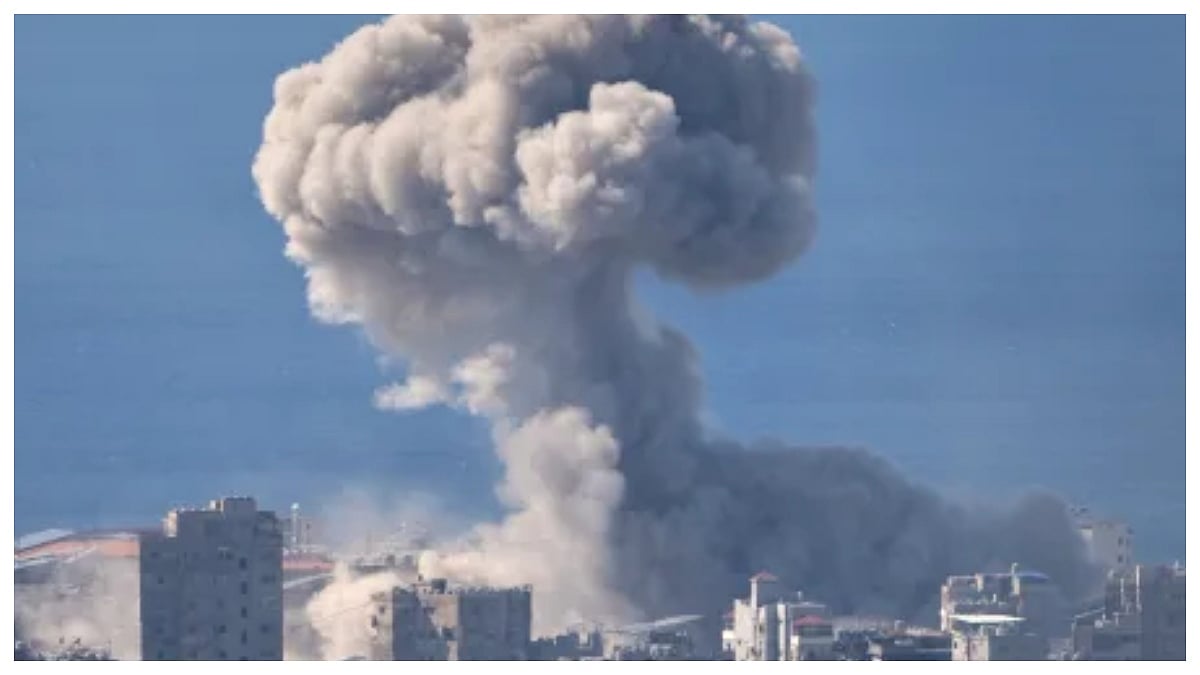
Iranian missiles have struck the headquarters of Batelco, Bahrain's largest telecommunications company , in Hamala, according to reports from local media. The facility also hosts Amazon Web Services infrastructure, making it a significant target in what appears to be a deliberate escalation of Iran's stated campaign against US tech giants in the region. Iran has announced it would start targeting US companies. This appears to be the first strike carried out under that threat.
Media reports allege that Bahrain has since confirmed the facility was hit and that Amazon servers housed within the premises have been affected, rendering parts of the complex inoperative.
Iran had warned that it would target US
The strike did not come without warning. Just a day prior, Iran publicly announced it would begin targeting US tech companies operating in the region. The Batelco strike now appears to be the first act carried out under that threat.
This latest strike follows a pattern of escalating attacks on cloud infrastructure in the Gulf. In early March, Amazon Web Services confirmed that two of its data centres in the United Arab Emirates were directly struck by drones, while a separate facility in Bahrain sustained physical damage from a nearby strike, taking all three facilities offline. Iran's Islamic Revolutionary Guard Corps subsequently claimed responsibility, stating the Bahrain facility had been targeted due to Amazon's support for the US military.

Those earlier attacks forced facilities offline and led to service disruptions affecting banking, payments, delivery apps, and enterprise software across the region.
The March strikes were described as the first known military attacks on an American hyperscaler's infrastructure, raising urgent new questions about how critical data centres should be protected in conflict zones. The Pentagon's cloud infrastructure, including systems running Anthropic's AI model Claude for intelligence functions, operates on the same commercial AWS network, meaning attacks on civilian cloud infrastructure can carry immediate military consequences.
Legal analysts noted that the drone attacks on Amazon data centres damaged civilian data and disrupted services across the Gulf, with people in the UAE unable to access applications including banking and food delivery platforms.

Iran has said that it would strike 'espionage entities' associated with the 'warmongering government of the US,' citing their alleged role in assisting US-Israeli military operations. The 18 companies listed include Microsoft, Google, Apple, Intel, IBM, Tesla, and Boeing. The full list also names Dell Technologies, HP, Cisco, Oracle, Meta Platforms, JPMorgan Chase, General Electric, Palantir, Nvidia, Spire Solutions, and G42.

