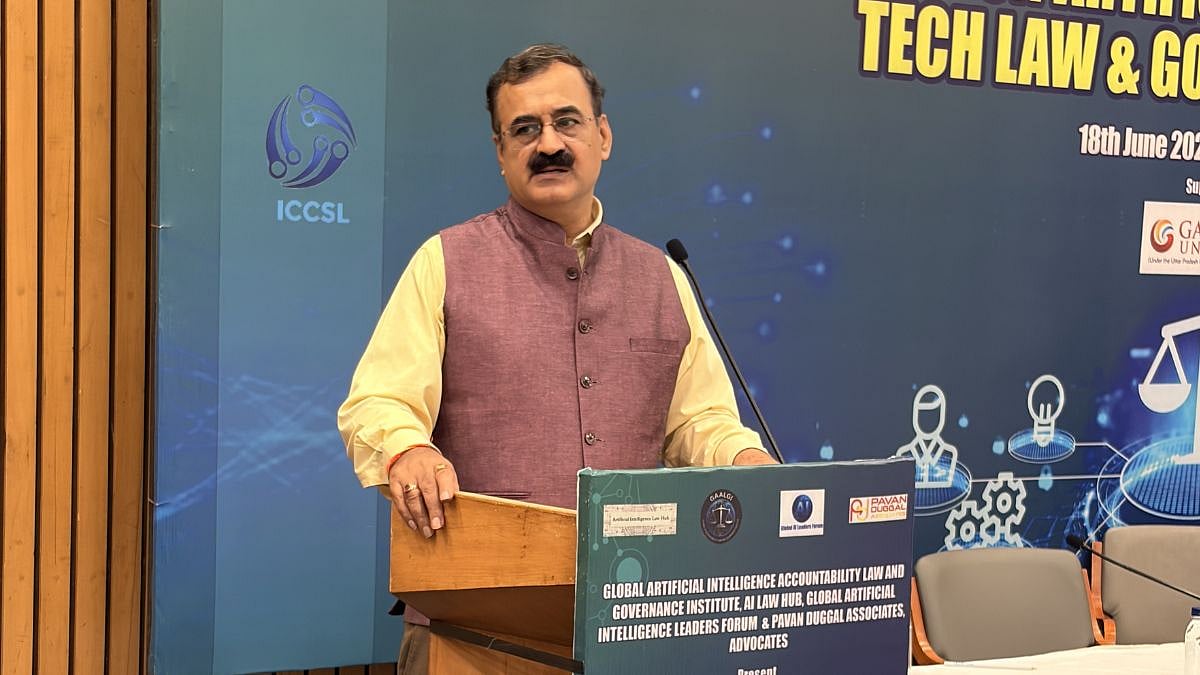
Reacting to Meta CEO Mark Zuckerberg issuing a formal apology to the Indian government, cyberlaw expert Pavan Duggal said the episode should serve as a message to large technology companies that Indian law cannot be treated casually, even as he questioned whether an apology alone can substitute for legal accountability.
'A clear message needs to go out'
Duggal said the incident reflects a broader pattern in how big technology firms approach their India operations. "A clear message needs to go out that Indian law is not meant to be taken lightly. Many large companies treat India as if it is their domain. They believe they have the right to operate here but do not have to comply with Indian laws. They repeatedly violate the law and claim they enjoy intermediary protection," he said.

Questions over the shifting explanations
Duggal pointed to the way the reasons offered for the restriction on Prime Minister Narendra Modi's post appeared to change over time. "Imagine the elected Prime Minister of the world's largest democracy having his video unavailable for over five hours. Initially, it was said this happened due to a legal issue, but later it was described as a technical glitch, followed by an apology," he said, suggesting the sequence of explanations itself warranted scrutiny.
'There is no concept of apology exempting liability'
On whether Meta's apology resolves the matter from a legal standpoint, Duggal was unambiguous. "The principle under India's Information Technology Act is very clear. There is no concept of 'apology' exempting liability under the law," he said, indicating that a public apology does not, in his reading of the law, absolve a company of the legal consequences that may follow from a violation.

