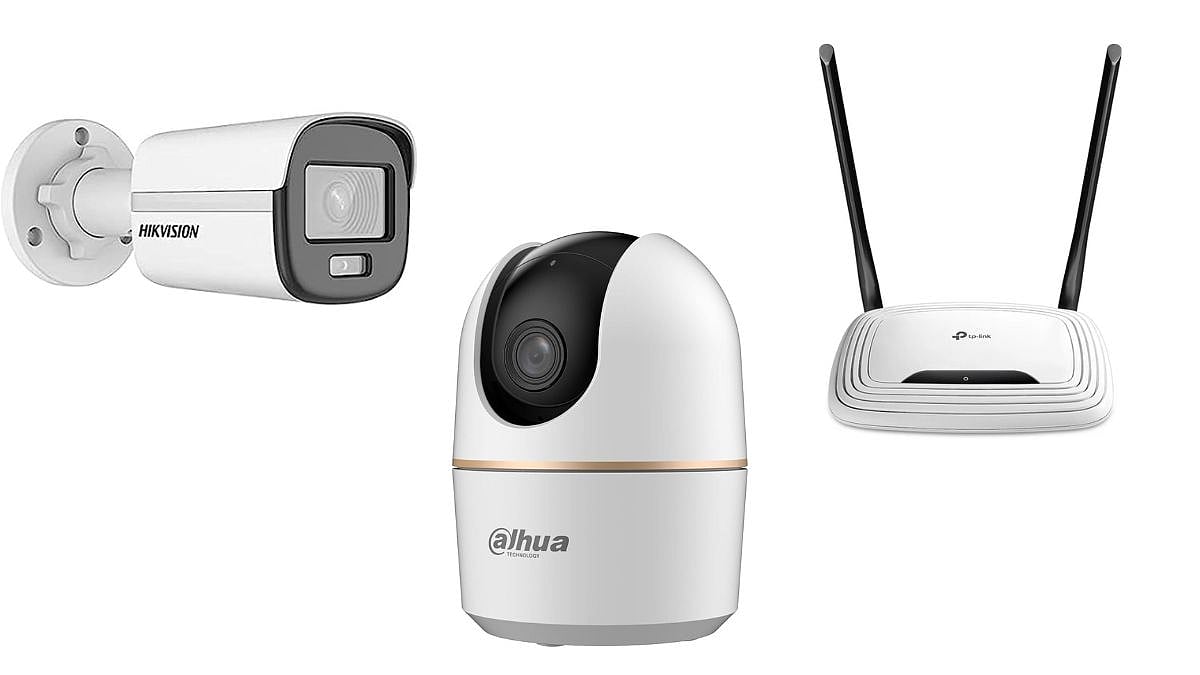
India is set to bar Chinese video surveillance giants Hikvision and Dahua from selling internet-connected CCTV cameras in the country starting April 1. The move, driven by national security concerns, marks one of the most consequential regulatory actions against Chinese technology firms in India's surveillance sector.
The restrictions follow new security and certification requirements introduced by the government, mandating that surveillance equipment be certified before sale in India. Under the rules, CCTV manufacturers must disclose the country of origin of key components such as the System-on-Chip (SoC), and devices must be tested at accredited labs for vulnerabilities that could allow unauthorised remote access. So far, the government has certified 507 CCTV camera models under this framework.

Surveillance systems are considered critical infrastructure as they collect large volumes of sensitive data and monitor key public spaces such as airports, government buildings, and transport hubs. Security agencies have raised concerns about risks including hidden backdoor access, data transmission to foreign servers, and deployment in sensitive locations.
$7.5 billion surveillance market
India's video surveillance market is estimated to be worth between $5 billion and $7.5 billion, according to Mordor Intelligence, and has expanded rapidly due to urbanisation, smart city initiatives, and rising security needs. Chinese brands historically accounted for about one-third of CCTV sales in India until last year, aided by competitive pricing and wide distribution networks, as per Counterpoint Research.
As of February 2026, Indian players control over 80% of the market, with brands such as CP Plus, Qubo, Prama, Matrix, and Sparsh expanding their footprint by shifting to Taiwanese chipsets and developing localised firmware, offering viable alternatives.
The move is part of India’s broader “trusted vendor” approach to critical digital infrastructure, aimed at reducing reliance on Chinese technology while promoting domestic and allied suppliers. In recent years, the government has also banned several Chinese mobile applications such as TikTok and restricted telecom equipment from firms like Huawei and ZTE.
India’s action aligns with the stance of the United States, where Hikvision and Dahua are designated under the National Defense Authorization Act as prohibited manufacturers, preventing federal agencies from procuring or using their products on national security grounds.

