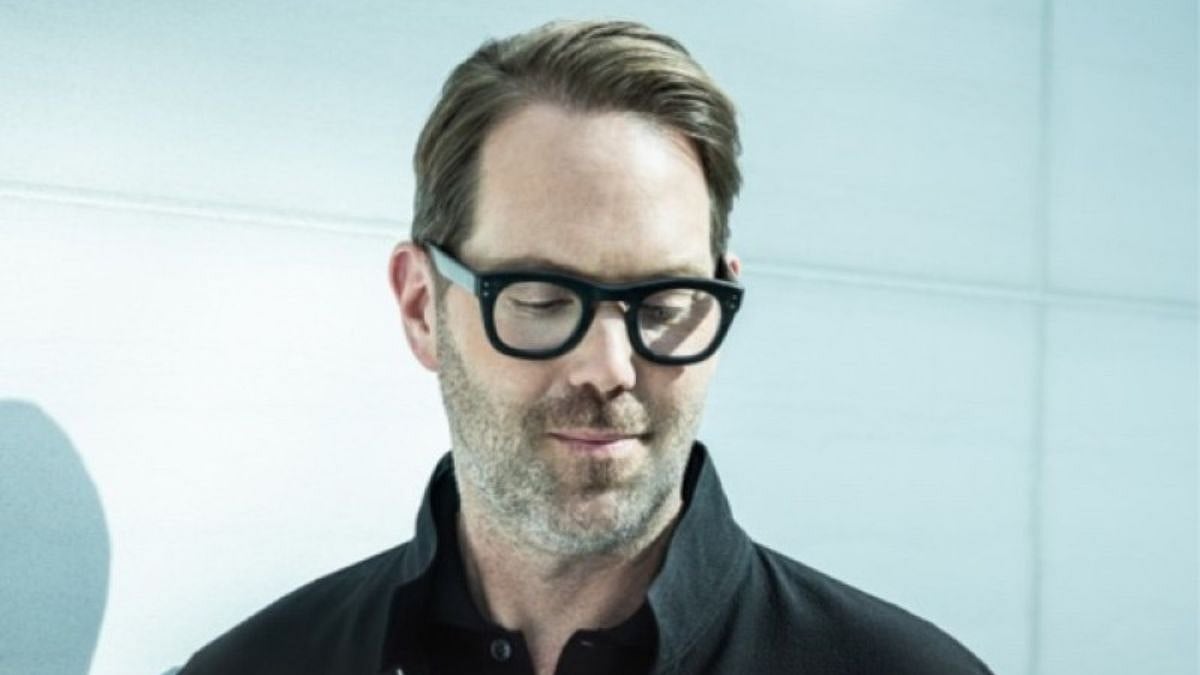
Alan Dye, Apple's longtime vice president of Human Interface Design and the creative force behind the iPhone's iconic 'Liquid Glass' user interface, has announced his departure after nearly two decades with the Cupertino giant. Dye is set to join Meta as Chief Design Officer, effective December 31, bolstering the social media behemoth's ambitious push into AI-infused wearables and augmented reality devices.
What does this mean for Apple and Meta?
Dye's exit, as reported by Bloomberg, caps a whirlwind year of high-stakes talent raids in the AI arena, where Meta has emerged as an aggressive poacher, luring top minds from rivals like Apple, Google, and OpenAI to fuel its quest for dominance in generative AI and immersive tech. Earlier this year, Meta scooped up several elite AI researchers from Apple, including key contributors to the company's machine learning initiatives, as part of a broader strategy to outpace competitors in the red-hot AI race.
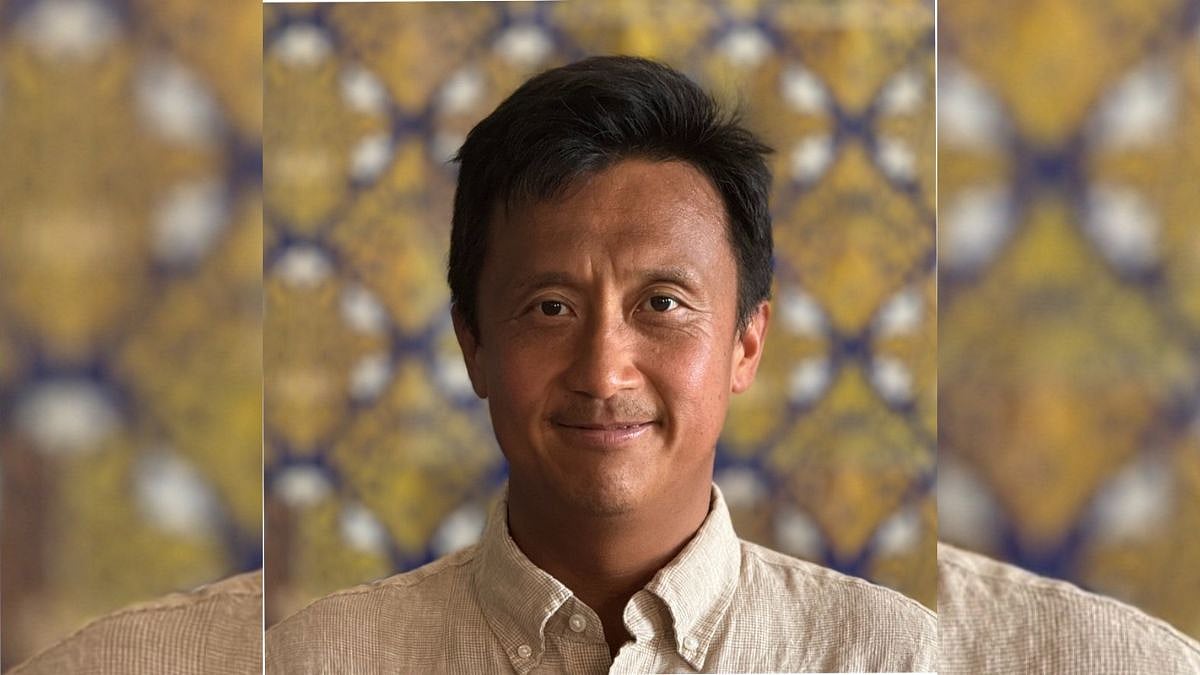
The company also poached Ke Yang, Apple's former Siri chief strategist, in a move that experts say is systematically eroding the iPhone maker's AI infrastructure. And it's not stopping there, Dye won't be making the jump alone. Reports indicate that Billy Sorrentino, a senior director under Dye at Apple since 2016, is also defecting to Meta, signaling a coordinated talent grab. This summer, Meta even enticed researchers from OpenAI, underscoring CEO Mark Zuckerberg's willingness to deploy multimillion-dollar packages in the escalating "AI talent wars."
Who Is Alan Dye?
At 48, Dye is a tall, amiable Syracuse University graduate who once harboured dreams of NBA stardom but traded jump shots for typography and pixels. His design odyssey began in the high-fashion trenches. After stints as a creative director at Ogilvy & Mather's Brand Integration Group, Dye landed at Kate Spade in 2004, where he orchestrated the luxury brand's aesthetic empire, from ad campaigns and websites to paper goods and home collections. It was a role that honed his eye for blending form, function, and emotion.
Dye joined Apple in 2006 as an executive creative director in the Marketing Communications team, initially tasked with less glamorous but pivotal work - designing the sleek, minimalist packaging for the original iPhone, which set a new standard for unboxing experiences. By 2012, he had pivoted to interface design under the legendary Jony Ive, co-leading the revolutionary iOS 7 overhaul. That update ditched Apple's skeuomorphic past for a bold, flat, minimalist aesthetic, and pivoted to more vibrant colours, crisp typography, and subtle animations that influenced Android, Windows, and beyond.

He was elevated to VP of Human Interface Design in 2015 following Ive's promotion, Dye became the steward of Apple's visual universe. He oversaw the evolution of iOS, iPadOS, macOS, watchOS, and the nascent visionOS, ensuring seamless, intuitive experiences across devices.
His career highlights include the fluid, glass-like translucency of iOS 26's 'Liquid Glass' UI, which introduced dynamic motion effects and layered depth to mimic real-world materials, and the spatial computing interfaces for the Vision Pro headset, blending digital and physical realms with uncanny precision.
Under his watch, Apple's software earned accolades like Cannes Lions for digital craft and D&AD Client of the Year, cementing the company's reputation for 'design that feels deeply human.' As Dye reflected in a 2023 Design Matters podcast, his philosophy boils down to making technology 'sexy, essential, and highly coveted' - a mantra that's powered everything from the Apple Watch's elegant complications to macOS's adaptive sidebars.
Meta's Bold Bet: Dye to Helm AI-Driven Design Revolution
At Meta, Dye steps into a freshly minted role as Chief Design Officer, reporting directly to CTO Andrew Bosworth and overseeing a new creative studio within Reality Labs - the division behind Quest VR headsets and Ray-Ban smart glasses.
