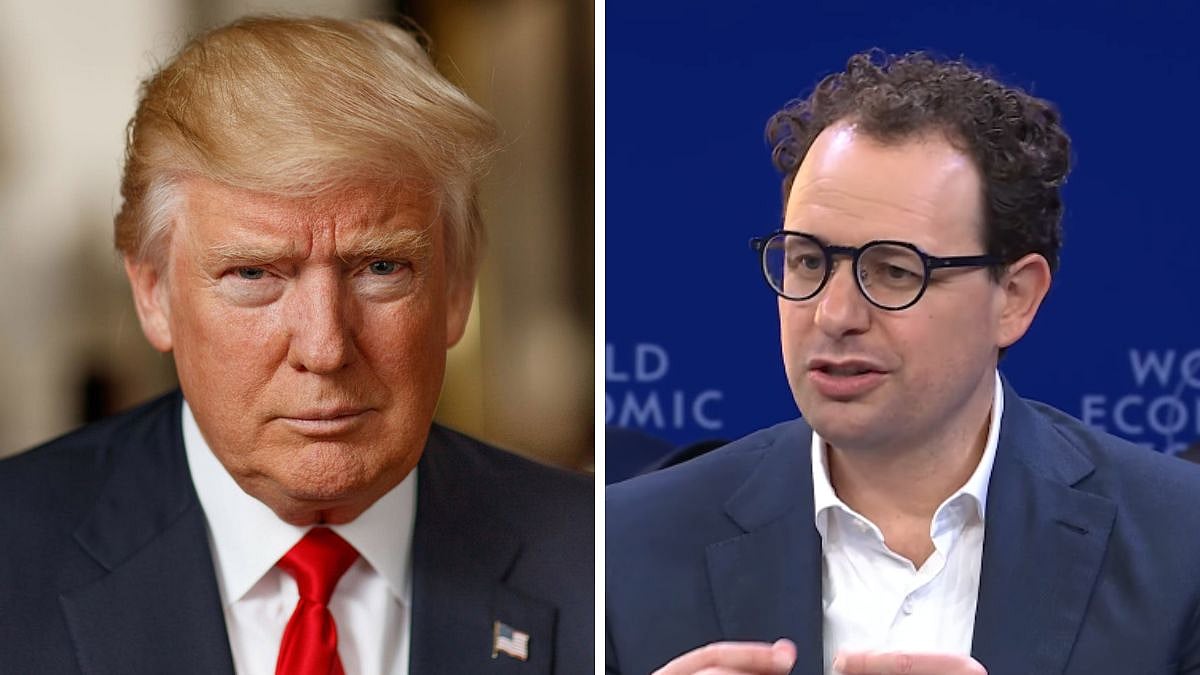
A federal judge in California has handed Anthropic a significant legal victory, blocking the Pentagon's attempt to designate the AI company as a national security risk over a dispute involving military use of its Claude chatbot.
Judge Rita Lin of the US District Court for the Northern District of California granted Anthropic a preliminary injunction, halting the Department of Defense's 'supply chain risk' designation while the company's broader lawsuit against the government proceeds. FT reports Lin found that the designation was likely both contrary to law and arbitrary and capricious.

In her order, the judge reportedly also concluded that penalising Anthropic for drawing public attention to the government's contracting stance amounted to unlawful First Amendment retaliation. The injunction stops the administration from enforcing a related presidential directive that barred federal agencies from using Anthropic's Claude models.
How the dispute began
The clash traces back to a $200 million contract Anthropic signed with the Pentagon last year. Talks over deploying Claude on the Pentagon's GenAI.mil platform stalled after the Department of Defense sought unrestricted access to Anthropic's models for all lawful purposes, while Anthropic insisted on guarantees that its technology would not be used for fully autonomous weapons systems or domestic mass surveillance.
With negotiations breaking down, Defense Secretary Pete Hegseth formally labelled Anthropic a supply-chain risk in early March, invoking a little-used procurement statute intended to guard military systems against foreign sabotage. Reports noted this marked the first time a US company had been publicly designated a supply chain risk under that statute. The designation effectively barred the Pentagon and its contractors from using Anthropic's products.
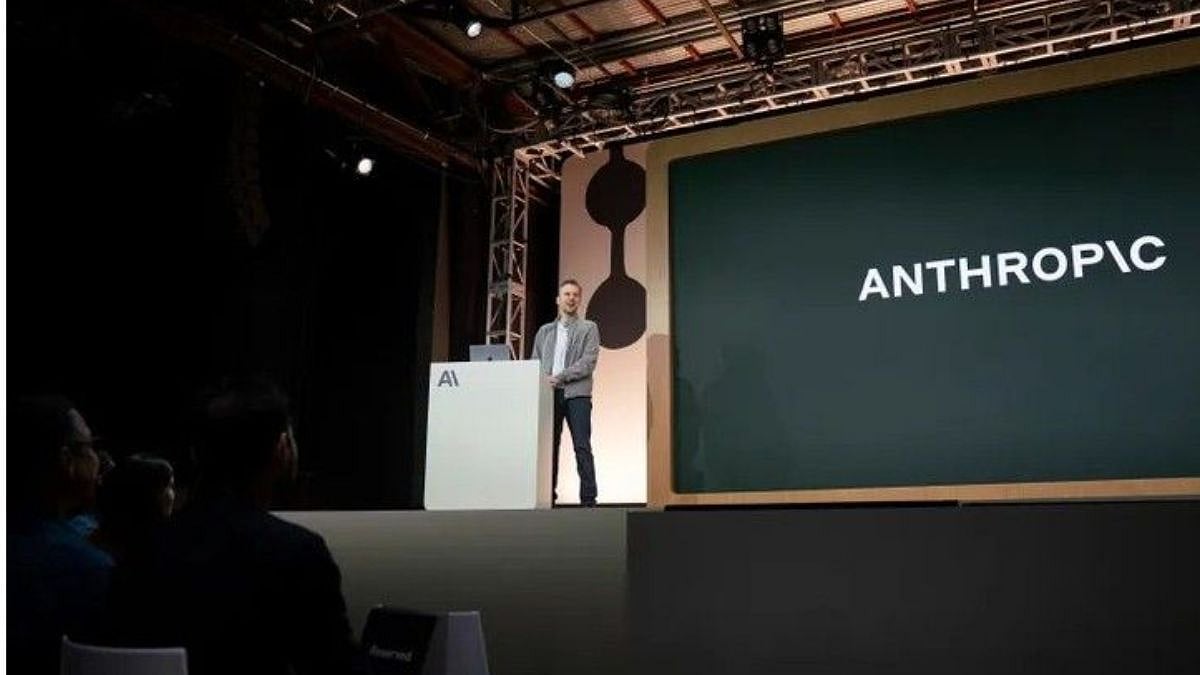
Anthropic takes the fight to court
Anthropic responded by filing two separate lawsuits - one in California federal court and another before the federal appeals court in Washington, DC - arguing that the government's actions were unconstitutional. The company argued that the Constitution does not permit the government to punish a firm for its protected speech, and that no federal statute authorised the steps taken against it.
The lawsuits alleged violations of both the First Amendment's free speech protections and the Fifth Amendment's due process guarantees. Anthropic maintained that it had a constitutional right to express its views, both publicly and to the government, about the limits of its own AI systems and broader AI safety concerns.
Civil liberties groups backed the company's position. The ACLU's Patrick Toomey said AI-powered surveillance poses serious dangers to democracy and argued that Anthropic's advocacy for safety guardrails was protected speech that the Pentagon should not be punishing.
Wider industry fallout
The standoff drew in rivals as well. OpenAI struck its own deal to work with the Pentagon within hours of the government's action against Anthropic, underscoring how the episode intensified an already public debate over AI's role in warfare and surveillance.
The preliminary injunction does not end the case outright. It pauses the Pentagon's designation and the presidential directive while litigation continues.

