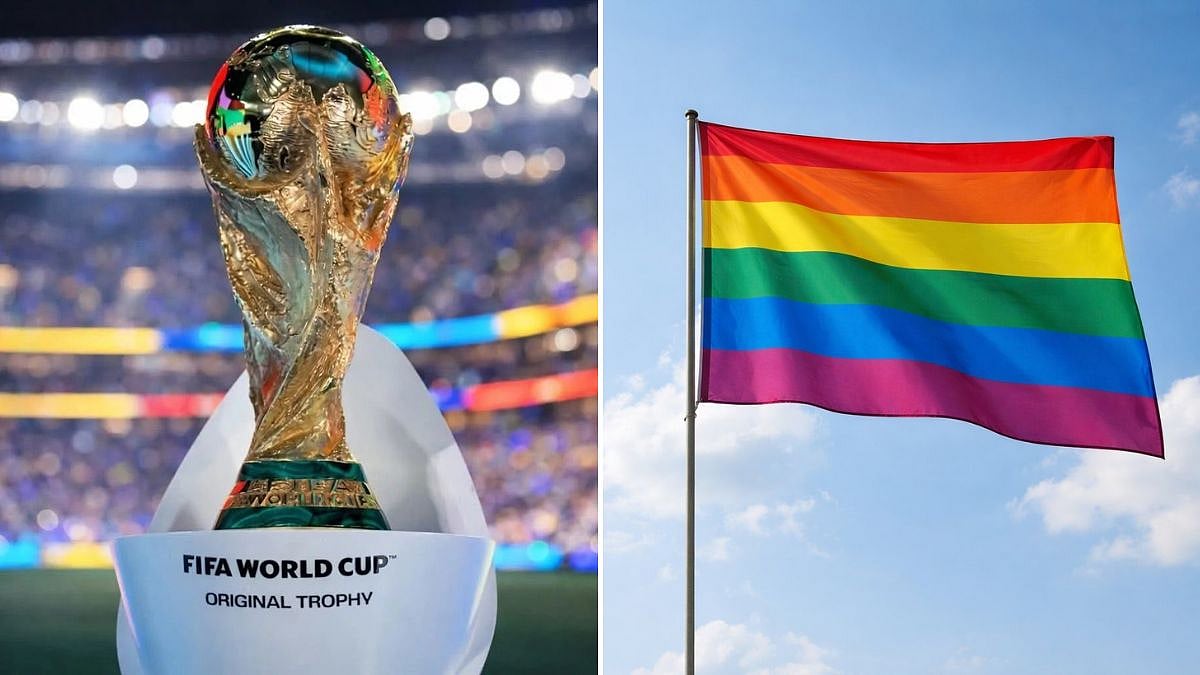
FIFA has found itself at the centre of a fresh World Cup controversy after confirming that fans will be allowed to bring rainbow flags into the Group G clash between Iran and Egypt, despite both nations urging football's governing body to prohibit LGBTQ+ symbols.
The match, scheduled for June 26 at Seattle's Lumen Field, has been designated as the city's official "Pride Match" as it falls during Seattle Pride Week, setting up a clash between FIFA's inclusivity policies and the objections raised by the two participating nations.
Why do Iran and Egypt want LGBTQ+ symbols banned?
Both football federations have formally objected to the Pride Match designation. In December, the Egyptian Football Association confirmed it had sent a letter to FIFA "categorically rejecting any activities related to supporting homosexuality" inside the stadium.
The Iran Football Federation also outlined its opposition in a statement to The Athletic, referring to LGBTQ+ rights as a "movement."
"The Football Federation of the Islamic Republic of Iran takes this matter seriously and has clearly communicated its position to FIFA," the statement read.
"Iran and Egypt are two Muslim countries with deep cultural and religious commonalities, and the views expressed by both federations reflect the values and beliefs shared by the people of both countries.
"Our position is that no ceremonies, or promotional activities associated with this movement should be present inside the stadium or as part of the match environment."
The federation added that it expects FIFA to "take the necessary steps" to prevent LGBTQ+ symbols from being displayed inside the ground.
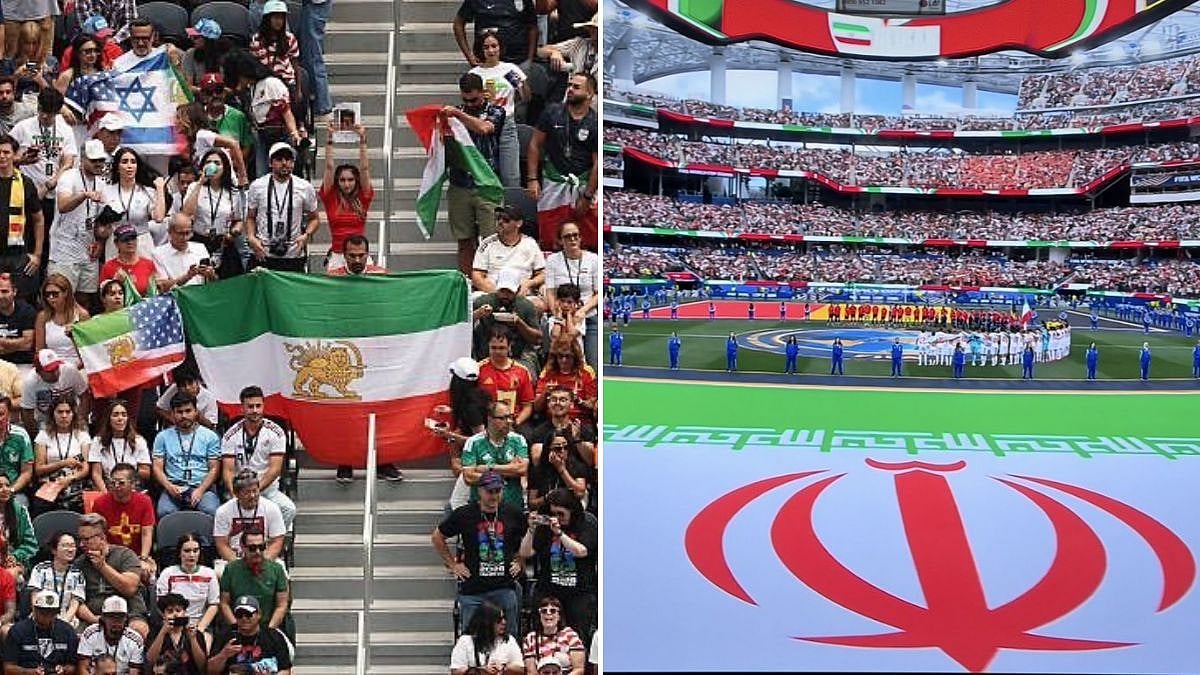
Human rights concerns remain in focus
The controversy has also renewed scrutiny of the treatment of LGBTQ+ people in both countries. Iran has some of the world's harshest laws against same-sex relationships, with homosexuality carrying the possibility of the death penalty. In Egypt, while homosexuality is not explicitly criminalised, authorities have repeatedly used "debauchery" laws to arrest and prosecute people accused of engaging in same-sex relationships, according to human rights organisations.
Despite the objections from both federations, FIFA has maintained its position that rainbow flags will be permitted inside the stadium, ensuring the fixture remains one of the tournament's most politically sensitive matches off the field.

