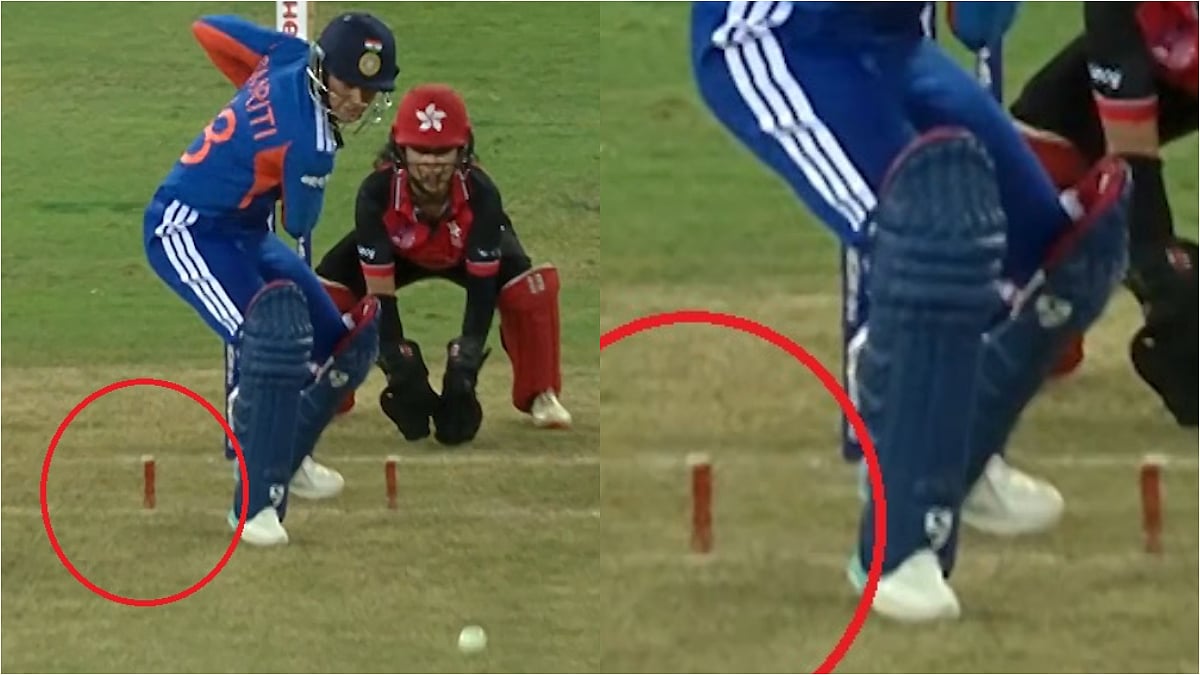
The red line near the stumps caught attention during the India Women vs Hong Kong Women clash in the Women's T20 Asia Cup 2026. The marking is linked to the ICC's updated rule for judging leg-side wides in white-ball cricket. The change gives umpires a clear reference point when deciding whether a delivery passing between the leg stump and the marked area should be called a wide.
Under the updated rule, a ball that passes the popping crease between the leg stump and the protected-area marker is not called a wide. The protected-area line has been extended up to the popping crease so that it can also act as a guide for umpires.
How Does The New Wide Rule Work?
The key change is on the leg side. The extra line is reportedly placed one foot or 30.48 cm from the middle stump. It creates a reference area between the leg stump and the protected-area marker.
If a delivery passes through this area at the popping crease, it will not be called a wide. However, a ball that passes behind the batter's legs and outside the new guideline can still be called a wide.
The rule also takes the batter's movement into account. If the batter moves or shuffles towards the off side before the ball is delivered, the reference point is based on the position of the batter's legs at the moment of delivery.
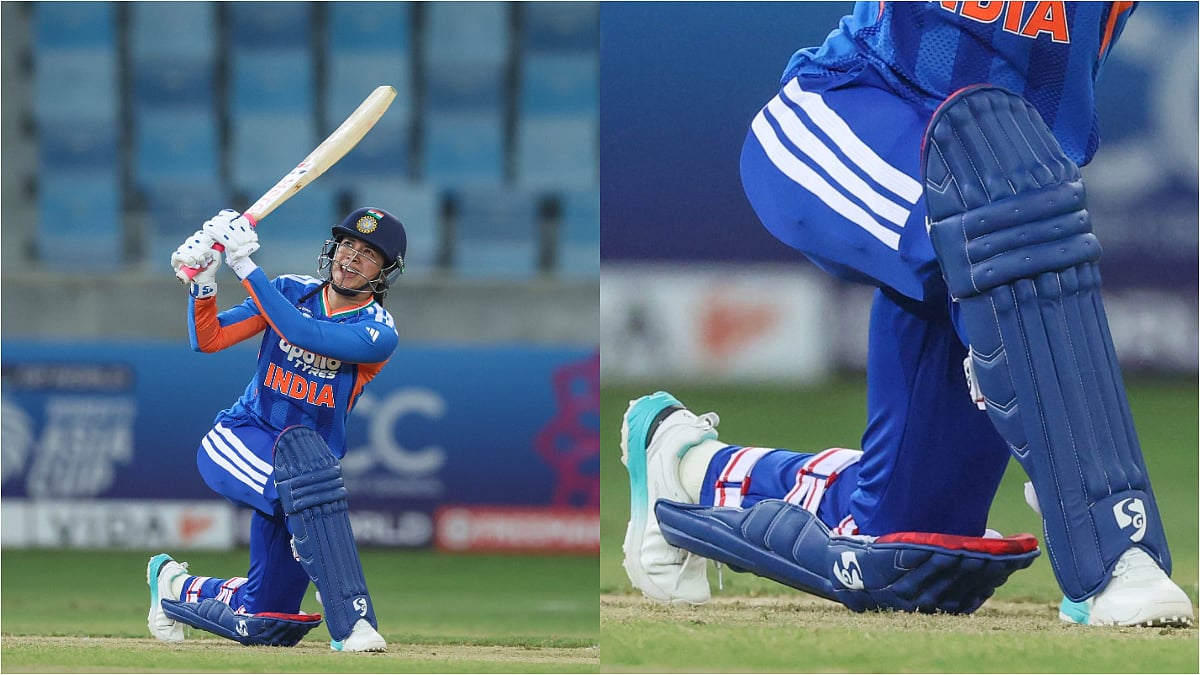
The ICC introduced the change to deal with batters moving across the crease and creating extra space on the leg side. The trial was later permanently adopted by the ICC Board in June 2026.
The red marking therefore gives umpires a clearer visual guide while judging leg-side deliveries. It is different from the usual wide guideline and is linked to the protected-area marking on the pitch.

