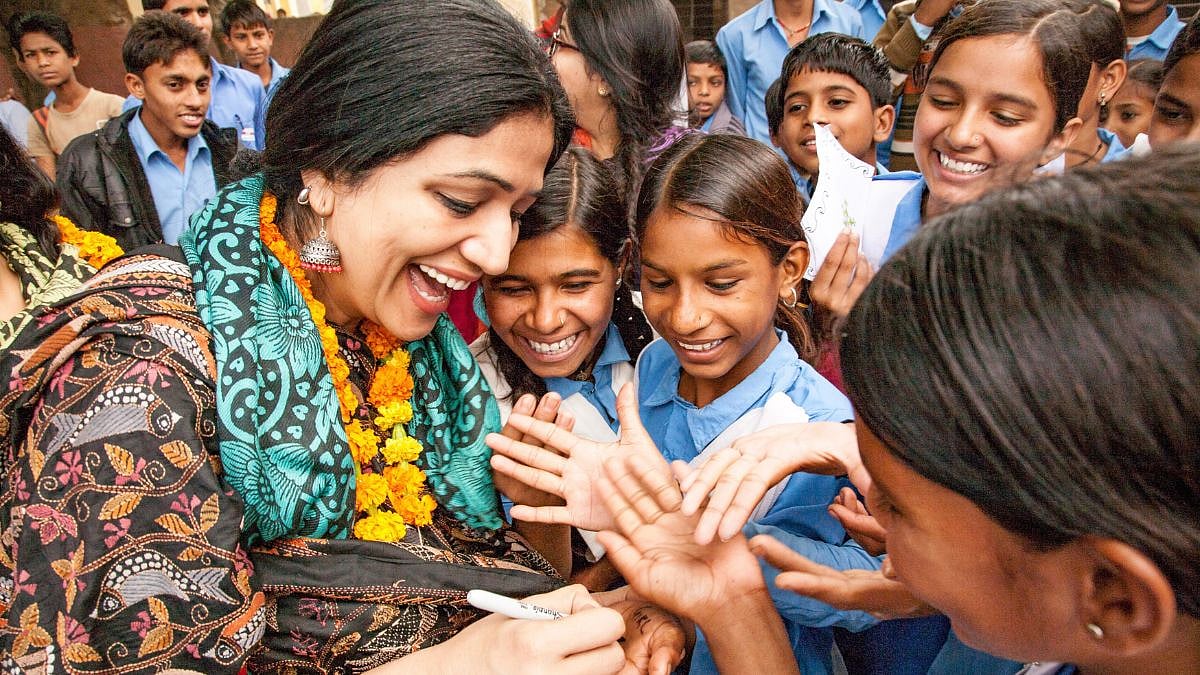
Mumbai, October 10, 2026: The RISE Premier League (RPL), a mixed-gender cricket tournament involving girls and boys from government schools, is helping adolescents challenge traditional gender stereotypes by providing equal opportunities to participate, lead and compete on the playing field.
Sport as an equaliser
For Nidhi Shukla, Co-CEO of Girl Rising, the initiative demonstrates how sport can become a powerful equaliser, allowing young people to experience gender equality rather than merely learn about it through stories and classroom discussions.
“Girls get to lead and play, boys get to participate as allies, and both experience what becomes possible when traditional expectations are challenged,” Shukla said.
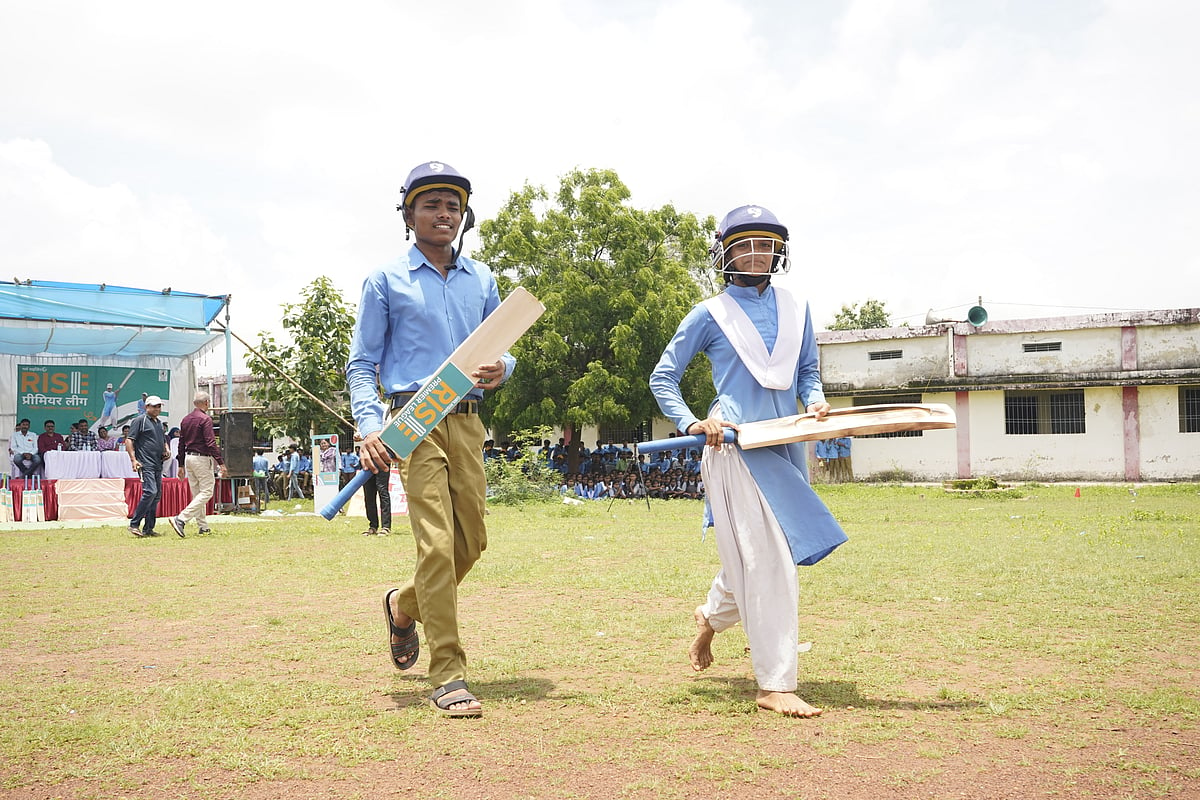
The tournament is an extension of Girl Rising's RISE curriculum and the book Kusum’s Adventurous Innings, which was developed following the organisation's interactions with adolescents through programmes across several Indian states.
Taking gender equality beyond lessons
According to Shukla, gender inequity and stereotypes often become so deeply embedded in everyday life that young people rarely question them. While storytelling helps adolescents recognise these inequalities, practical experiences are essential to bring about lasting changes in attitudes.
“Adolescents are actively forming their understanding of who they are and what is possible for them. Storytelling helps make ideas like gender equality tangible,” she said.
Through the characters of Kusum and her brother Kamal, the book introduces adolescents to familiar situations in which traditional gender expectations are challenged. The RPL takes these lessons beyond the classroom by encouraging girls and boys to play together, share responsibilities and recognise each other's abilities.
Girls take on leadership roles
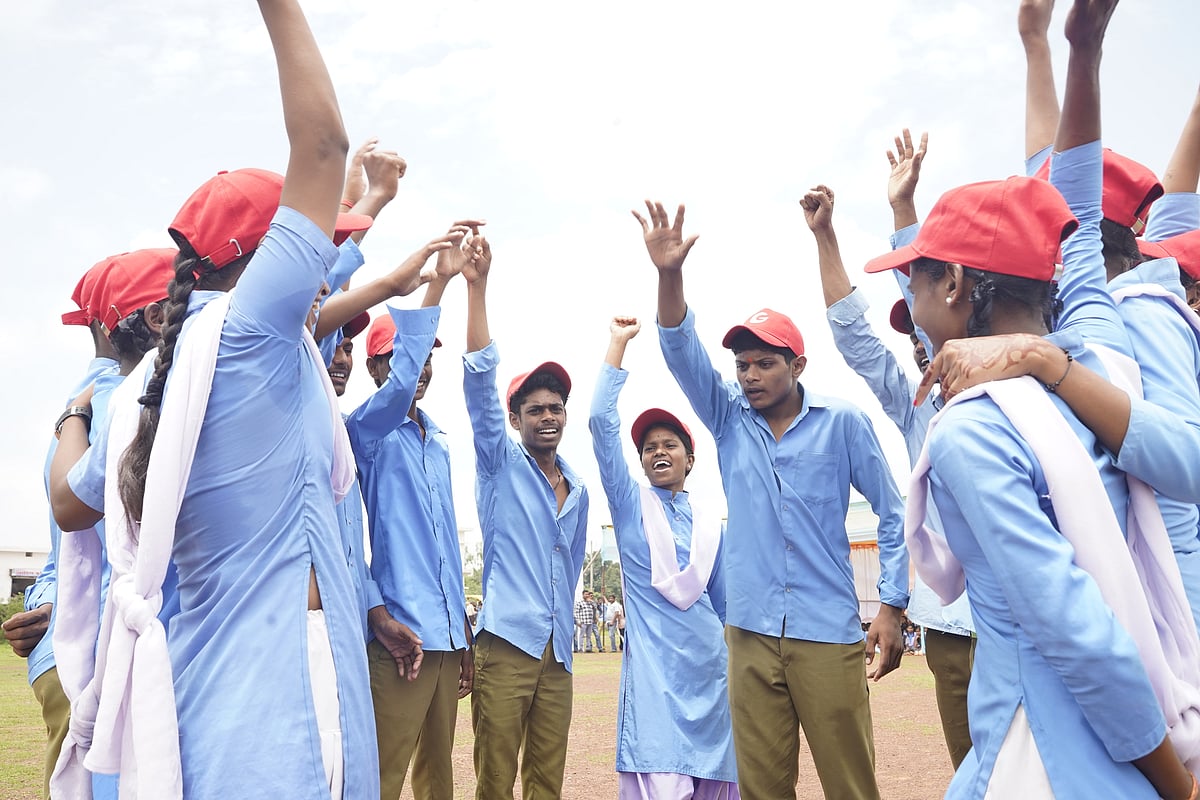
The impact of this approach is reflected in the experience of Himani Yadav, a Class 12 student from Bilaspur, Chhattisgarh, who had never captained a cricket team before participating in the tournament.
After her coach noticed her confidence and leadership abilities during practice matches, Yadav was appointed captain of Bhadi ke Blasters. The tournament also marked her first experience of playing mixed-gender cricket.
For Shukla, such opportunities are important because they allow girls to take on leadership roles traditionally associated with boys, while encouraging boys to recognise and support their female teammates as equals.
Another example came from Shalini Kashyap, a Class 11 student from Bilaspur, who claimed five wickets while playing in a mixed-gender match in front of teachers, parents and community members.
Kashyap was named Player of the Match, an achievement that strengthened her confidence and belief in her abilities.
“When I saw my teammates and everyone cheering for me, I felt proud of myself. It gave me more confidence to believe that I can do well when I take up an opportunity,” Kashyap said.
Adolescence as a crucial stage
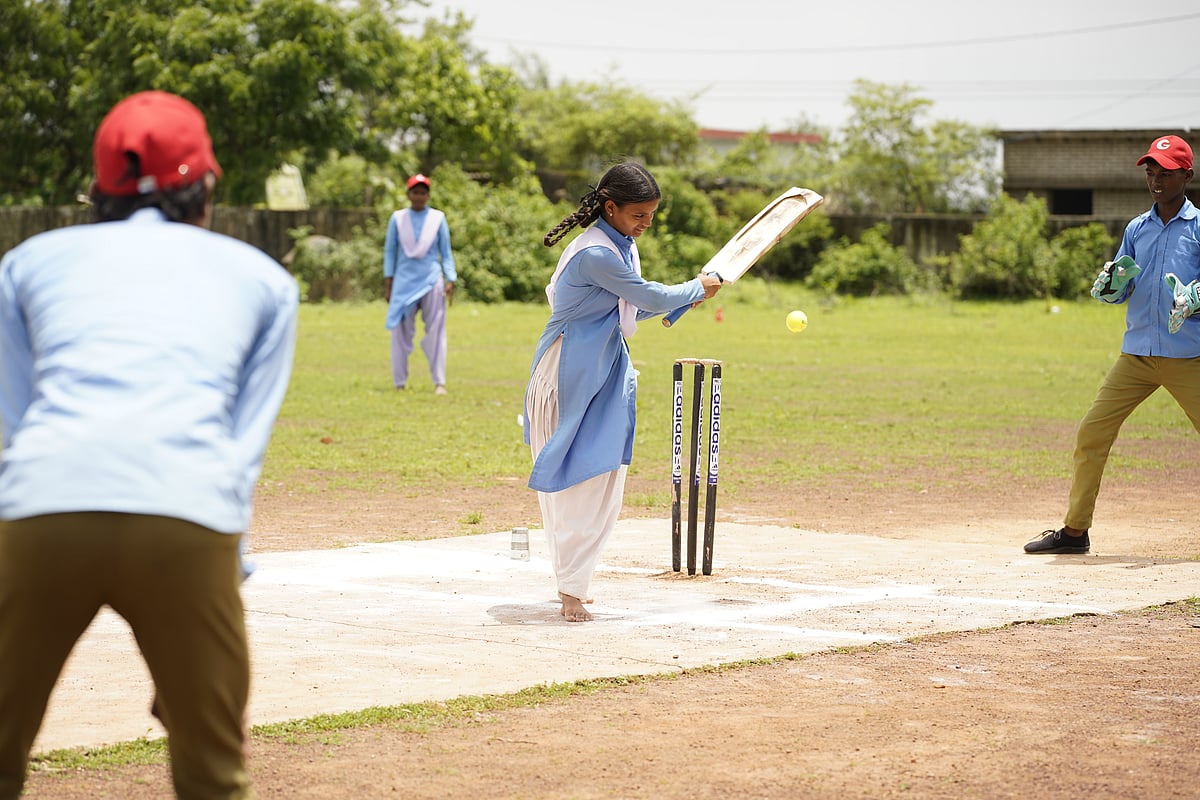
Shukla believes such experiences demonstrate why sport can serve as an enabler of education and gender equality. By giving every participant a role, responsibility and voice, mixed-gender competitions create opportunities for adolescents to challenge assumptions about what girls and boys can achieve.
She emphasised that adolescence is a particularly important stage for addressing gender stereotypes because young people undergo significant physical, emotional, psychological and social changes during this period.
It is also a time when gender inequalities can become more pronounced, making interventions that promote equal participation especially relevant.
From recognising stereotypes to challenging them
For Shukla, the journey from Kusum’s Adventurous Innings to the RISE Premier League represents a progression from recognising stereotypes to questioning and challenging them through lived experiences.
She described this process as one in which adolescents “see it, question it, experience it, and make it your own”.

Ultimately, Shukla believes challenging gender stereotypes requires more than changing attitudes. It involves creating opportunities for young people to make decisions based on their aspirations and abilities rather than the roles society traditionally assigns to them.
Through mixed-gender cricket, the RISE Premier League seeks to turn that belief into practical experience, allowing girls and boys to discover what becomes possible when they compete, collaborate and lead on equal terms.

