Dubai (UAE), July 17: The International Cricket Council’s (ICC) revamped format for the 2027 Men’s ODI World Cup has triggered criticism from Associate nations, with players and the World Cricketers’ Association (WCA) accusing the governing body of reducing opportunities for emerging teams and failing to consult stakeholders before introducing major changes.
The 2027 ODI World Cup will continue to feature 14 teams, but under the revised structure, the tournament will begin with a three-team round-robin ‘Super Series’ involving the lowest-ranked qualifiers. Two teams will be eliminated after playing only two matches each, a move that has frustrated Associate nations seeking more opportunities to compete against Full Member teams.
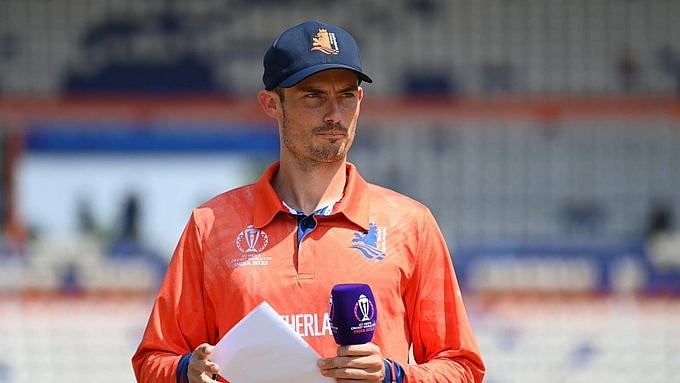
Netherlands captain Scott Edwards termed the decision a setback for developing cricket nations, saying qualifying for the ODI World Cup is a major achievement and changes to the format after years of planning were disappointing.
“Qualifying for an ODI World Cup is a huge achievement for any country, so when the reality of that opportunity changes after years of planning, it's incredibly disappointing,” Edwards said in a statement released by the WCA, according to Cricinfo.
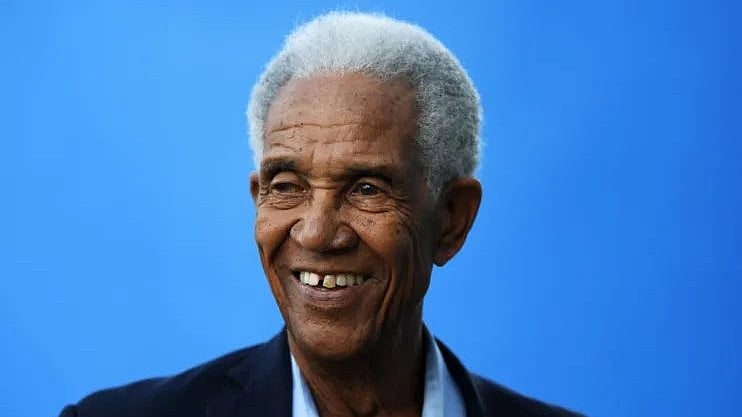
He added that fewer matches against top teams could affect the growth of cricket in emerging nations.
“The ICC talks a lot about growing the game globally, but decisions like this make it harder for Associate nations to play against the best teams in the world,” Edwards said.
He further stated that playing against leading teams helps countries improve and inspires future generations of players, adding that global cricket should create more opportunities rather than reduce them.
Namibia captain Gerhard Erasmus also questioned the value of qualification if teams are given only two matches at the World Cup.
“For players in many countries, an ODI World Cup isn't just another tournament. It's our long form and something careers are built around and generations of players aspire to,” Erasmus said.
He said while teams must earn their place in the competition, qualification should provide a genuine chance to compete on the biggest stage.
The WCA also criticised the ICC’s decision-making process, claiming that players were not adequately consulted despite the impact of the changes on qualification pathways and careers.
Also Watch:
WCA chief executive Tom Moffat said the ICC had the authority to decide the structure of global events but stressed that significant changes require transparency and meaningful consultation.
“The ICC is entitled to determine the structure of its global events. However, when commitments are made to the game, qualification pathways are established, and countries and players invest years pursuing those opportunities, significant changes deserve genuine consultation, transparency and a clear explanation,” Moffat said.
Scotland captain Richie Berrington echoed similar concerns, saying players should have a meaningful role in discussions on decisions affecting their careers and the future of the sport.
Ireland ODI captain Paul Stirling pointed to football’s expanded 48-team FIFA World Cup as an example of increasing opportunities for global participation.
“It would be great to see cricket take a similar approach to maximise opportunities for the game,” Stirling said.
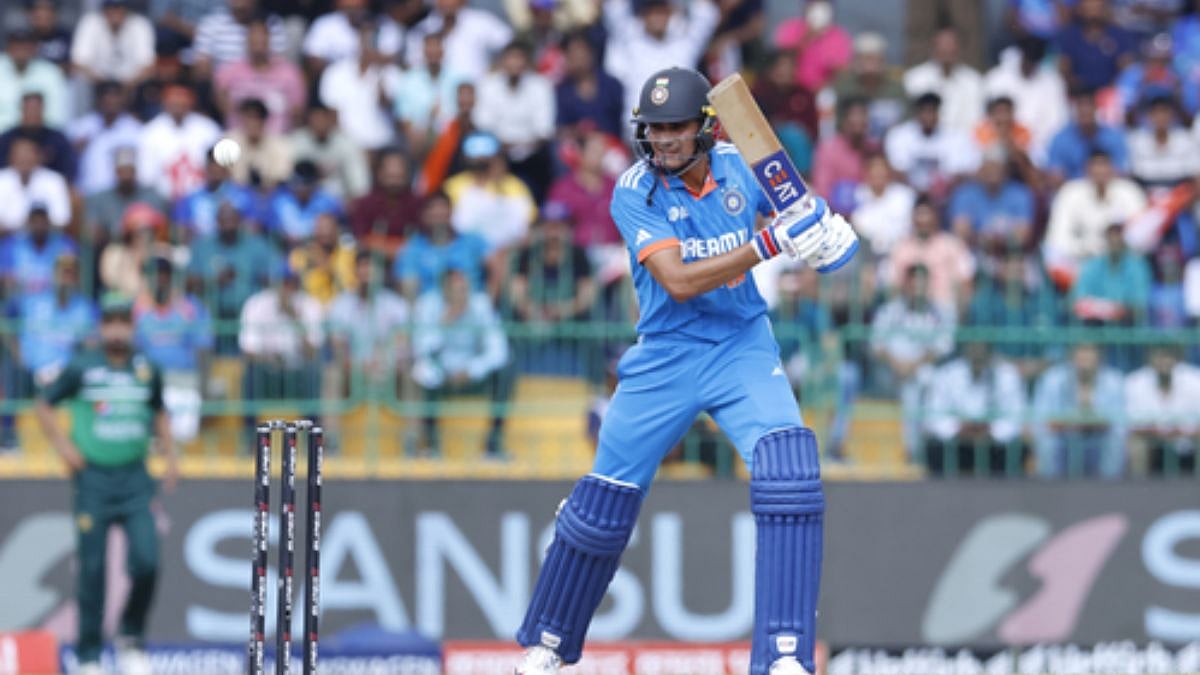
The ICC, while announcing the revised format, said the “evolved” structure would create a more competitive tournament, enhance the experience for fans and continue giving emerging teams opportunities to compete on cricket’s biggest stage.
The new format replaces the previously proposed structure of two groups of seven teams followed by a Super Six stage, a model around which several teams had planned their qualification campaigns.
The revised format has also raised questions over the relevance of Cricket World Cup League 2, where eight Associate nations are currently competing in a 36-match qualification cycle for the 2027 ODI World Cup.
(Except for the headline, this article has not been edited by FPJ's editorial team and is auto-generated from an agency feed.)

