Mumbai is one of the toughest places in India to succeed in cricket. The competition is intense. The pressure is constant. Only the best make it through.
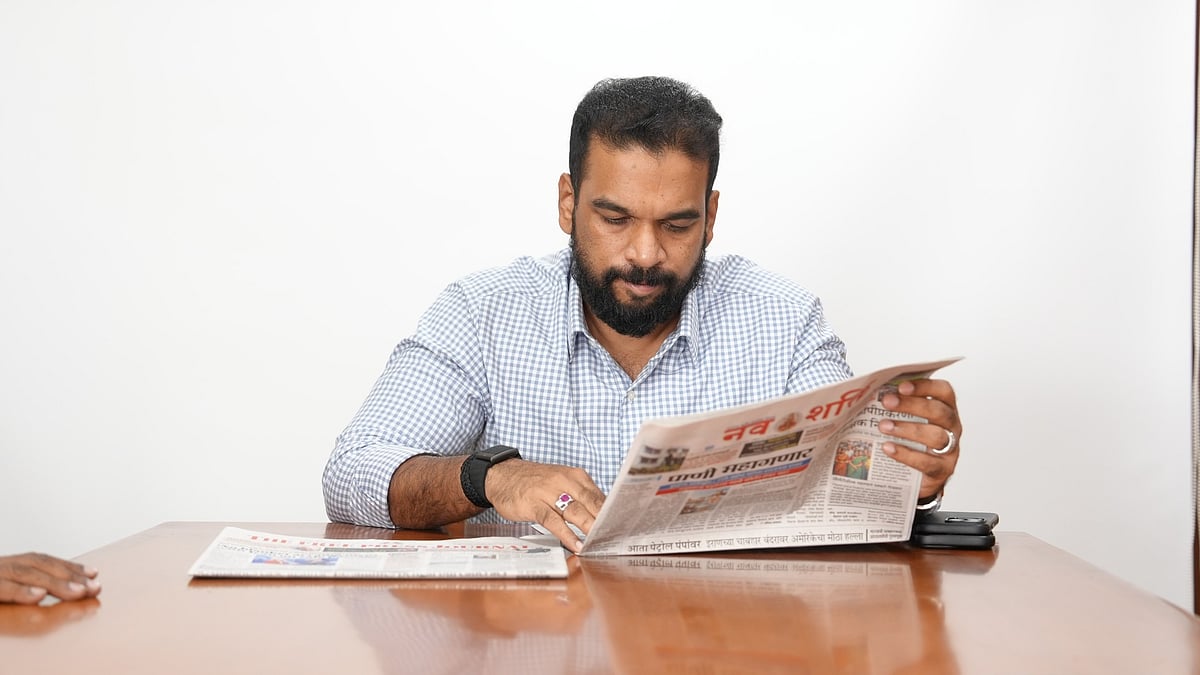
Today, at the centre of that system is led by Ajinkya Naik. At just 37, he is the youngest-ever president in the history of the Mumbai Cricket Association. His rise reflects the same grind the city is known for.
In an exclusive sit-down with the Free Press Journal, Naik lays out his blueprint for a 100,000-seater stadium, addresses the digital drain on Mumbai’s youth, and responds to the Chief Justice of India’s recent critique of cricket administrators.
FPJ: Maharashtra CM Devendra Fadnavis revealed plans for a 1 Lakh+ capacity stadium in Mumbai? How close is the dream to becoming a reality?
Ajinkya Naik: We have plans. We have looked at a couple of sites, but we're waiting on the government. We cannot do it on private land; it has to be government-allotted only. Once we get it, we will immediately start with work. The game has grown so much that for Mumbai itself, we have nine teams. We look at grounds in Mumbai, and there aren't many left. We need to provide players with venues to practice that have international standards.
FPJ:Mumbai players once dominated India's Test line up, but now only Yashasvi Jaiswal is a regular. Are there any intiatives MCA takes to promote red ball cricket?
Naik: We continuously organise red ball tournaments. All our players are performing. At the end of the day, it is a role of the selection committee. As an administrator, I cannot influence or take part in selection decisions. But it is a matter of choice. Our Mumbai XI can easily walk into the Indian team. Players like Sarfaraz, Shams Mulani, Tanush Kotian - everyone is performing consistently. But the selectors might think differently. We can't force them, we back our player and follow the process.
FPJ: What is the reason behind Mumbai's dominance in domestic cricket over the years?
Naik: Our success comes from the process. While other state associations begin their season in July or August, we do in June. During the rainy season, we focus on getting players fit—they are put through yoyo tests, which is why they have fewer injuries. It helps with their temperament and team bonding. Every state association has money today and the game is only going to get more competitive. We have to adapt; MCA has been proactive and we want to lead from the front.
FPJ: The Chief Justice of India recently commented that many cricket administrators "have not even held the bat." How do you respond to that?
Naik: We have to give respect to what the Chief Justice of the country has said. Cricket knowledge is important. The reason why I can make decisions involving grassroots cricket is that I watched and played the sport as a child. We know the problems because, from a young age, we have watched and played.
For example, my parents could afford to send me to the UK to play cricket, but they decided I should focus on studies. Now, as an association, we have started a men's and women’s UK tour for the U-19 team. You can only imagine that children who live in slums or are from Adivasi areas, at 19 years of age, will be getting that exposure. There is nothing that can make me happier.
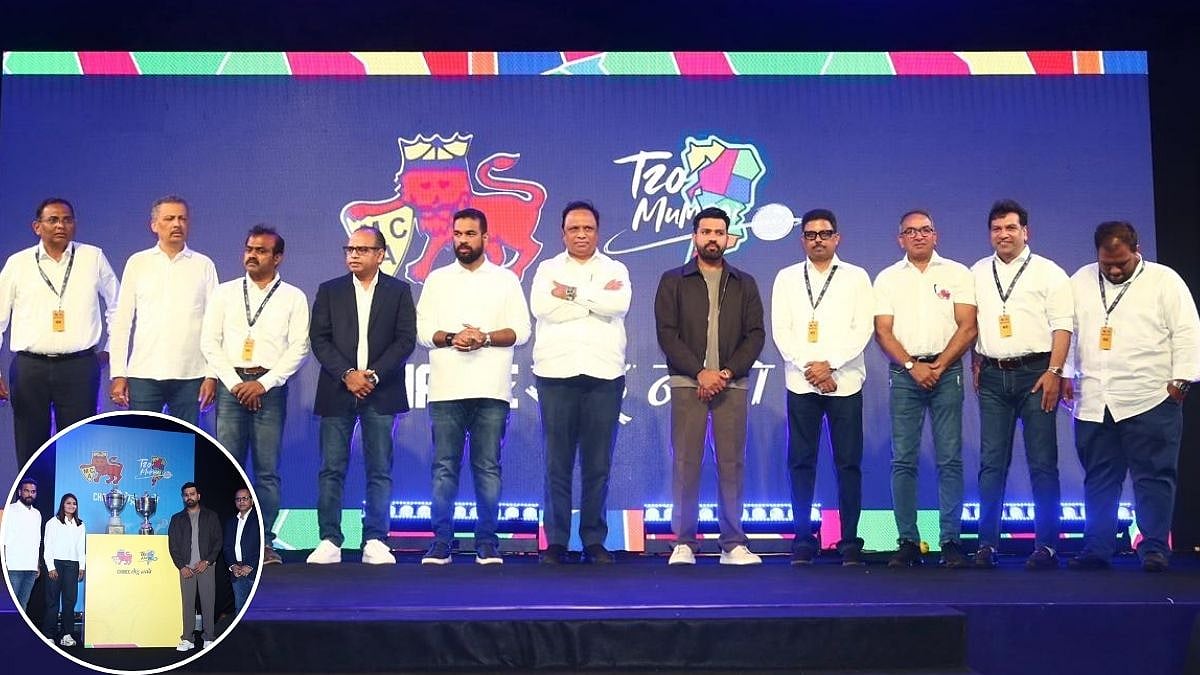
FPJ: You’ve also introduced U-12 cricket. Is this an attempt to pull children away from screens?
Naik: It is the digital age. Kids spend 6-8 hours on PlayStation or their tablets. We believe that somewhere we have to get them to the ground. 70% of India’s population is young, yet we are second in obesity and third in diabetes. If we target the grassroots, children can adopt a healthy lifestyle. We look at U-12 as an MCA factory where we give direction to the kids.
FPJ: Finally, you’ve introduced several welfare schemes. How do these help the average club cricketer?
Naik: We matches whatever fees the board pays. If a player gets 1 Lakh from a domestic game, we also give the same. We provide a first-class train pass and 5,000 rupees to both men and women. We also provide breakfast, lunch, and snacks to about 400 kids. We even launched a pension scheme for MCA staff, including gardeners and watchmen. It’s about taking care of the entire family of Mumbai cricket.
At MCA, our jurisdiction extends to Thane and Palghar districts. A boy or a girl who is from these places spends around 6 hours traveling. When you consider the weight of the kit bags, especially for kids in the U-14, U-16, and U-19 brackets, it’s a massive burden. We calculated it to about 120 rupees as a basic daily expense if we are being conservative. By starting satellite academies, we help children travel less.
