The Pacific Ocean is witnessing an alarming rise in sea surface temperatures, with parts of the ocean reportedly reaching 30°C for the first time amid concerns surrounding El Niño. This was recorded on October 5, 2026, according to data from the US National Oceanic and Atmospheric Administration (NOAA). Previously, the record for the Niño 3.4 region was 29.82°C, which was set on November 17, 2015.
The development has renewed concerns about global warming, marine ecosystems and the increasing frequency of extreme weather events.
Ocean temperatures play a crucial role in regulating the Earth's climate. When the ocean absorbs excess heat trapped by greenhouse gases, it influences atmospheric circulation, rainfall patterns and the intensity of weather systems. Rising sea surface temperatures can also have serious consequences for marine life and coastal communities.
Pacific temperatures reach 30°C for the first time
According to the data from the US National Oceanic and Atmospheric Administration (NOAA), Pacific Ocean temperatures reached 30°C for the first time as strong El Niño continues to intensify, which raises concern about the impact on weather patterns globally, and when it means the whole world, it also includes India. According to the World Meteorological Organisation, temperatures across the eastern and central tropical Pacific are expected to reach record levels during October–December, with El Niño likely to peak around December. According to the forecast, it could reach around 3.8°C.
What is El Nino?
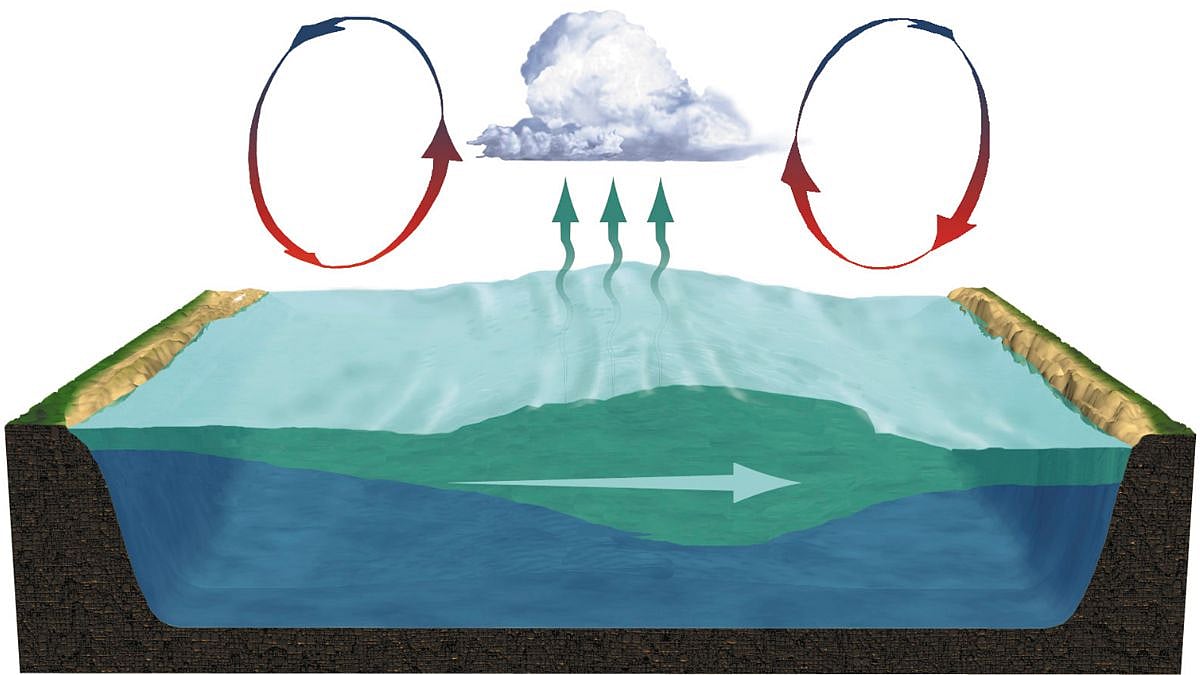
El Nino is a naturally occurring climate phenomenon characterised by warmer-than-average sea surface temperatures across the central and eastern equatorial Pacific Ocean. It forms part of the El Niño-Southern Oscillation (ENSO), a climate pattern that alternates between El Nino, La Niña and neutral conditions.
During El Nino, changes in ocean temperatures affect wind patterns and the distribution of heat across the planet. The phenomenon can influence rainfall, droughts, floods and temperatures in different parts of the world.
Is it a warning sign?
Warmer oceans can cause coral bleaching, disrupt marine food chains and affect fish populations. Coral reefs are particularly vulnerable when water temperatures remain elevated for prolonged periods.
Higher ocean temperatures can also increase evaporation, adding moisture to the atmosphere and potentially contributing to heavier rainfall in some regions. In combination with favourable atmospheric conditions, warmer ocean waters can influence the intensity of tropical cyclones.
Potential impact on India's monsoon
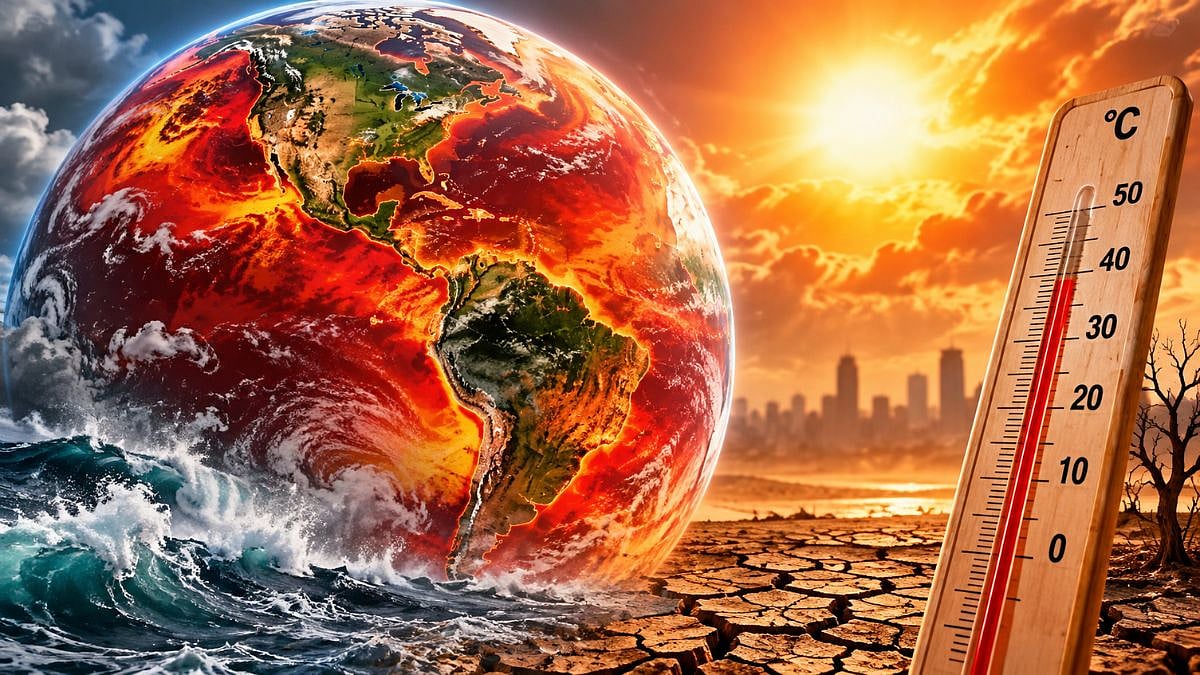
The effects can extend to countries such as India, where Pacific Ocean conditions influence global atmospheric circulation and can affect monsoon variability. However, the relationship between El Niño and India's monsoon is complex, and other oceanic and atmospheric factors also play a role.
While El Niño can temporarily intensify warming, the broader increase in ocean heat highlights the importance of reducing greenhouse gas emissions and monitoring changes in the Earth's climate system.

