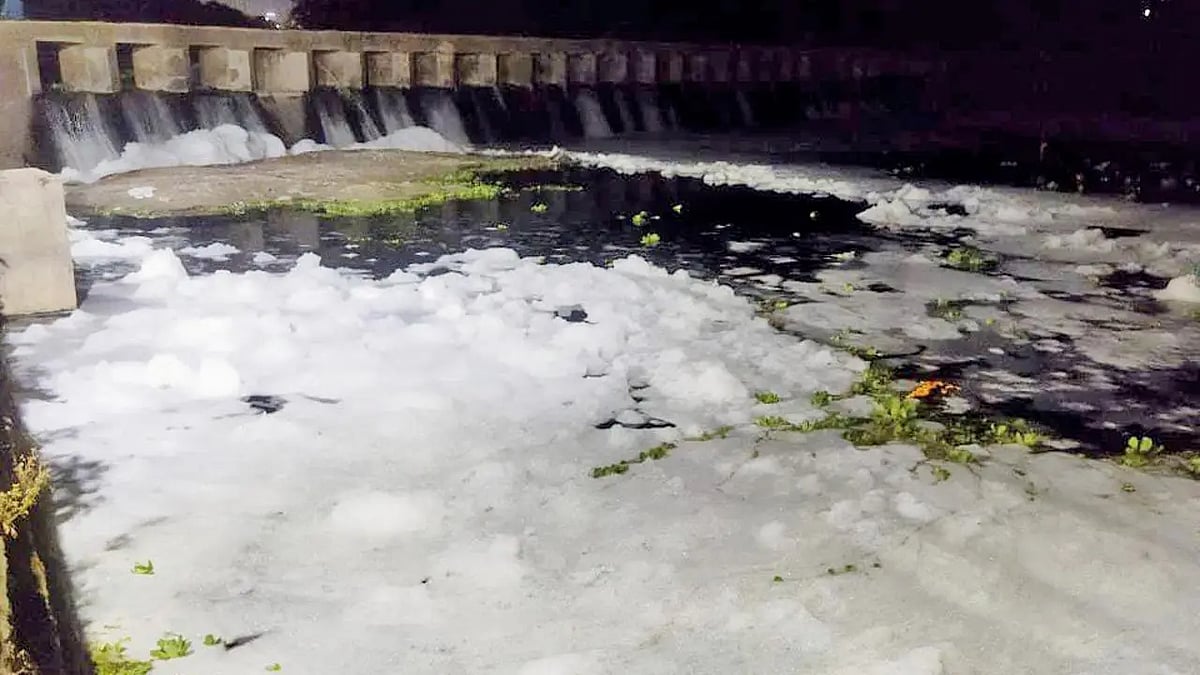
Pune: Untreated sewage and household grey water from nearly 20 villages falling under the jurisdiction of the Pune Zilla Parishad and the Pune Metropolitan Region Development Authority (PMRDA) have been identified as major contributors to pollution in the Pavana River, according to a joint committee report recently submitted to the National Green Tribunal (NGT).
The tribunal ordered the formation of the committee in August last year after the river was classified under the ‘Priority I’ pollution category by the Central Pollution Control Board (CPCB), following a sharp rise in pollution levels and biochemical oxygen demand (BOD). The classification came in the wake of mass fish deaths reported near Thergaon.
The committee, comprising officials from the CPCB, Maharashtra Pollution Control Board (MPCB), and the Pune district collectorate, found that large quantities of untreated domestic wastewater from villages along the river were being discharged directly into natural drains that ultimately flow into the Pavana.
As per the findings, nearly 57% of households in these villages do not have septic tank connections, resulting in sewage being released into open drainage systems. In addition, around 92% of households lack grey-water treatment systems such as kitchen garden filtration setups, allowing sullage to enter water channels untreated.
The report further identified 15 natural drains that currently carry untreated sewage and grey water into the river and recommended immediate, time-bound measures by both Zilla Parishad authorities and PMRDA to arrest further deterioration of water quality.
In response, PMRDA has initiated the process of setting up 14 decentralised sewage treatment plants (STPs) with a combined treatment capacity of 5.84 million litres per day (MLD). These facilities will utilise Solid Immobilised Bio-Filter (SIBF) technology, an eco-friendly wastewater treatment system designed to break down pollutants using specialised biological processes. Officials confirmed that the tendering process is underway and groundwork is expected to begin shortly.
Environmental activists have long expressed concern over the deteriorating condition of the Pavana River, which originates near Lonavla and flows for nearly 60 km before merging with the Mula River at Dapodi, passing through a 25-km stretch of Pimpri Chinchwad.
Recurring instances of white toxic foam formation, particularly near Thergaon, have also been reported by residents, raising alarm over the river’s health.
Local activists have welcomed action being taken outside municipal limits but stressed the need for civic authorities within urban areas to also strengthen monitoring and treatment systems, pointing out that domestic effluents in several parts of the city continue to bypass treatment facilities and enter the river directly.
The Pavana River remains the primary source of drinking water for Pimpri Chinchwad, which draws more than 70% of its daily water supply, approximately 520 MLD, from the Pavana dam, underscoring the urgency of effective pollution control measures.

