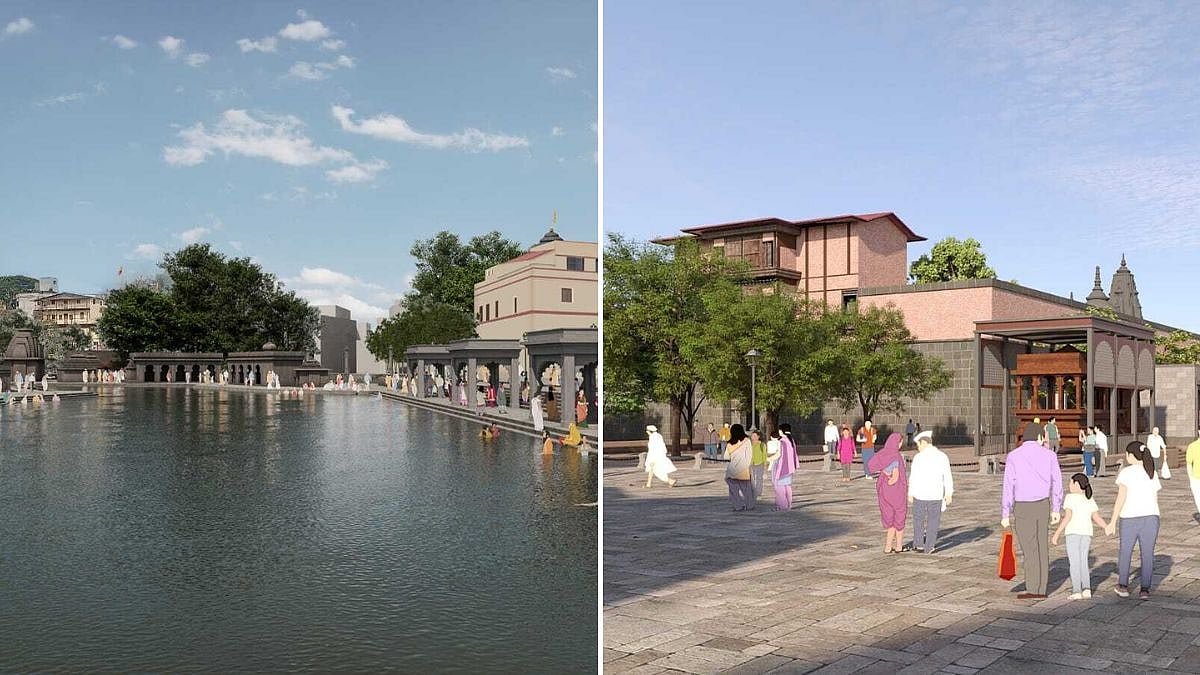
Nashik, April 17: Marking World Heritage Day, the Nashik-Trimbakeshwar Kumbh Mela Authority (NTKMA) and Nashik Municipal Corporation (NMC) are advancing the Ramkal Path project, planned and being executed by NMC with a focus on heritage conservation and long-term urban improvement, while also strengthening infrastructure for Simhastha Kumbh Mela 2027.
Conceived as a heritage-led intervention, the project aims to upgrade the core pilgrimage area around Ramkund without disturbing the existing urban fabric. The development approach prioritises conservation of cultural character while introducing organised public spaces, improved pedestrian movement and essential facilities that will serve both daily visitors and the large influx of pilgrims during the Kumbh.
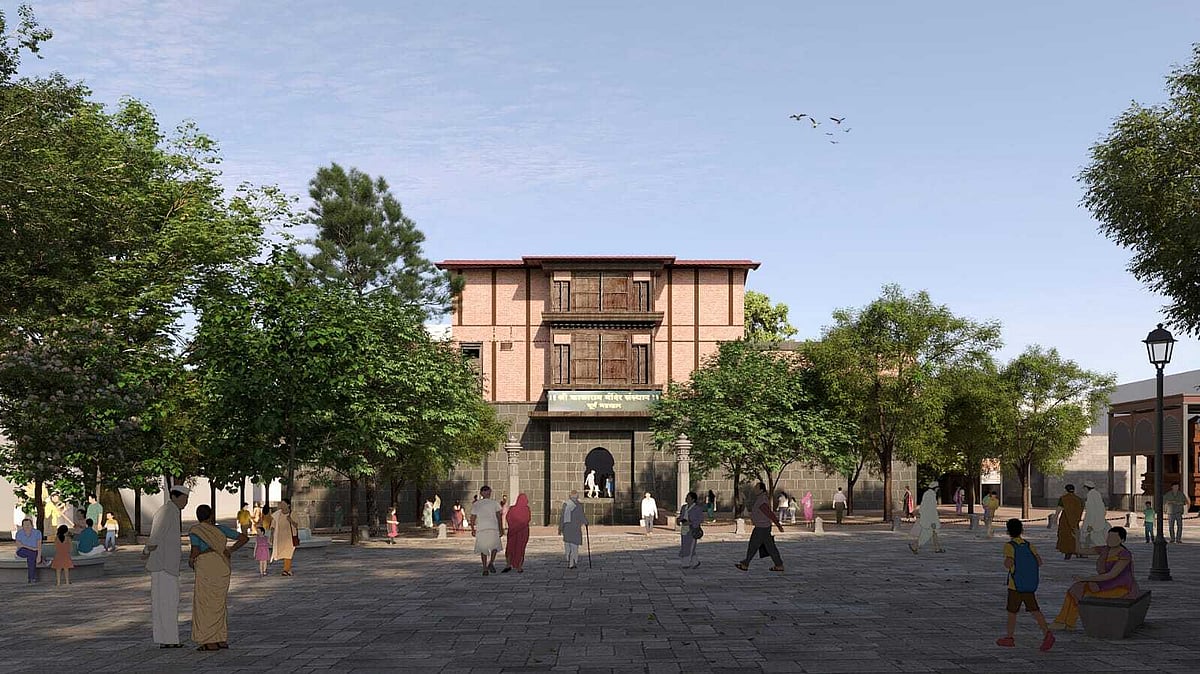
The project is being implemented with funding of Rs 99 crore under the Special Assistance to States for Capital Investment (SASCI) scheme of the Government of India, along with Rs 12 crore mobilised through NMC Clean Godavari bonds. It is centred around key pilgrimage sites including Ramkund, Kalaram Temple and Sita Gufa, and aims to facilitate smoother movement of pilgrims, reduce congestion and improve safety and accessibility in the core pilgrimage area, while preserving the sanctity and visual integrity of the heritage setting.
Restoration of heritage structures is being undertaken alongside the development of pedestrian-friendly pathways, improved ghats, sanitation facilities and organised public spaces. At Ramkund, new changing rooms and supporting infrastructure are being developed, while temple precincts and surrounding structures are undergoing conservation and façade restoration using materials and techniques aligned with original architectural finishes.
A key aspect of the project is its context-sensitive design approach. The architectural interventions are guided by principles of traditional Maratha architecture, emphasising simplicity, proportion, functional clarity and the use of local materials, while avoiding excessive ornamentation. Design elements have been developed to remain visually consistent with the existing character of the area, particularly drawing from the architectural language of the Kalaram Temple and surrounding structures.
As part of the planning approach, designated vending zones have been integrated into the Ramkal Path design to support local livelihoods in an organised manner without disrupting pedestrian movement or the heritage character of the area. In cases where structures required removal for project implementation, affected residents have been provided alternative housing developed through a PPP model using construction TDR.
Conservation works are being carried out using lime plastering, traditional finishes and compatible materials to retain authenticity. Ornamentation across the project has been kept minimal and harmonious, ensuring that new additions blend seamlessly with the historic setting. Existing heritage elements at the ghats have been retained and integrated into the overall design, maintaining continuity with the site’s cultural identity.
The project places strong emphasis on pilgrim convenience. Dedicated pedestrian routes, improved crowd circulation and designated vending zones are expected to ease movement during peak periods such as the Kumbh Mela. Universal accessibility features, including ramps, railings and tactile pathways, are being incorporated to ensure ease of access for elderly persons and persons with disabilities.
Sustainability measures such as improved waste management systems, indigenous tree plantation, plastic-free zones, riverfront conservation and eco-friendly mobility options are also integral to the project, contributing to a cleaner and more organised pilgrimage environment.
NTKMA Commissioner Shekhar Singh said, “As we prepare for Simhastha Kumbh Mela 2027, the focus is on creating infrastructure that can manage large pilgrim footfall while remaining sensitive to Nashik’s heritage character. The design approach ensures that development complements, rather than disrupts, the city’s cultural identity.”

NMC Commissioner Manisha Khatri said, “The Ramkal Path project has been planned and is being implemented by NMC with a clear focus on heritage conservation without disturbing the local fabric. At the same time, it addresses practical needs through organised vending zones and improved public infrastructure. Where redevelopment was necessary, alternative housing has been provided through a PPP model using construction TDR. The project will serve both the Kumbh Mela and the everyday needs of citizens.”
The initiative is also expected to generate employment opportunities and support local economic activity, particularly in tourism, hospitality and allied sectors.
Project highlights
Project funding: Rs 99 crore (SASCI) + Rs 12 crore (NMC Clean Godavari bonds)
Key focus: Kumbh Mela 2027 preparedness
Core locations: Ramkund, Kalaram Temple, Sita Gufa
Heritage-led, context-sensitive development approach
Design based on Maratha architectural principles
Use of traditional materials and conservation techniques
Minimal, context-sensitive ornamentation
Designated vending zones integrated into planning
Alternative housing through PPP using construction TDR
New pedestrian pathways to ease pilgrim movement
Improved ghats, changing rooms and sanitation facilities
Universal accessibility: ramps, railings, tactile paths
Sustainable measures: Indigenous tree plantation, plastic-free zones, waste management, e-mobility
Employment boost through tourism and local businesses
