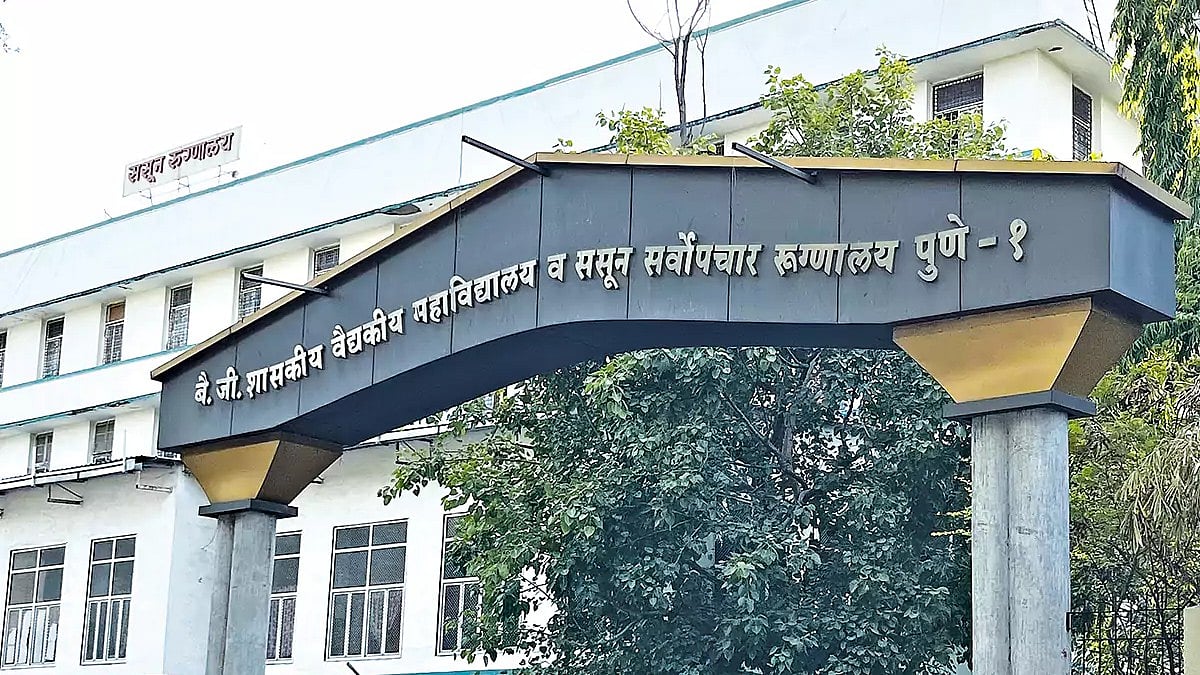
In a landmark achievement placing Pune firmly on the global medical research map, doctors at the Neonatal Intensive Care Unit (NICU) of B. J. Government Medical College and Sassoon General Hospital, Pune, have identified the world’s first reported association between a novel genetic mutation and Transient Neonatal Diabetes Mellitus.
This historic discovery, made in an extremely premature newborn, is being recognised internationally as the first case worldwide linking this specific genetic mutation to transient neonatal diabetes mellitus.
The case involved a male infant born at just 27 weeks of gestation, weighing only 720 grams, who was admitted to the Sassoon Hospital NICU. During the early neonatal period, the baby developed persistent hyperglycaemia due to insulin deficiency — a condition known as Neonatal Diabetes Mellitus, an extremely rare disorder.
Despite requiring insulin therapy initially, the baby’s diabetes resolved spontaneously, confirming the diagnosis of Transient Neonatal Diabetes Mellitus.
Advanced genetic testing revealed a previously unreported homozygous mutation in the MS4A6A gene, a gene never before associated with neonatal diabetes mellitus anywhere in the world. Further advanced genetic analysis confirmed the authenticity of the finding, strengthening its scientific significance.
Acknowledging this major scientific contribution, Dr Eknath Pawar, Dean of Sassoon Hospital, formally congratulated Dr Arti Kinikar, Head of the Department of Pediatrics, along with her dedicated paediatrics and neonatology team.
Dr Pawar noted that such discoveries highlight how government medical colleges can produce research of global relevance and scientific excellence.

Why This Matters
• First documented case worldwide linking MS4A6A mutation to transient neonatal diabetes
• Prevents unnecessary lifelong insulin therapy
• Establishes Sassoon Hospital NICU as a centre of excellence in neonatal research, along with the Clinical Genetic Centre of Excellence.
This historic discovery is now published in peer reviewed international journal, is the result of a collaborative effort by the following clinicians and researchers: Sohrab Shakeel, Sandeep Kadam, Sameer Pawar, Dhyey Pandya, Pragathi Kamath, Rahul Dawre, Kanchan Sakharkar, Abhinav Kachare, Sangeeta Chivale, Suvidha Sardar, Abhilash Yamavaram, Poonam Mane, Prakash Gambhir, Parag M. Tamhankar, Salil Vaniawala, and Aarti A. Kinikar

