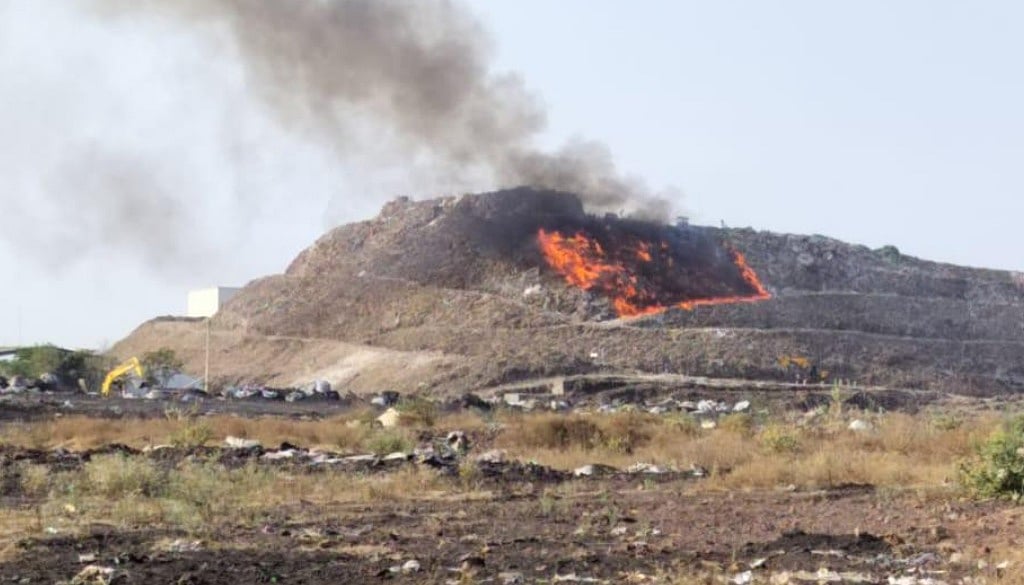
Pimpri-Chinchwad: Due to growing urbanisation and population growth in Pimpri-Chinchwad, waste generation has surged in recent years. The daily waste generation, which stood at 832 tonnes in 2017, has increased to 1,579 tonnes over nine years, exhausting the capacity of the Moshi waste depot.
To reduce the mountain of waste here, the Pimpri-Chinchwad Municipal Corporation (PCMC) has initiated a waste-to-energy project. Despite this, as the waste problem continues to grow severely, the PCMC administration has ordered housing societies generating more than 100 kilograms of waste to set up waste-processing plants within their own premises. However, the city’s society federations have strongly opposed this move.
Growing Population, Growing Waste…
The city’s population is growing rapidly and has gone over 30 lakhs. Along with the rising population, waste collection is also increasing. As a result, a massive waste problem has begun to emerge in the city. The Moshi waste depot was established in the year 1991. For the past 35 years, the city’s waste has been dumped across an 81-acre area at this site.
Mountains of garbage have formed, and the depot’s capacity has collapsed. In 2017, the city generated 832 tonnes of waste per day. Now, it generates 1,579 tonnes per day. Waste generation has increased by 747 tonnes over nine years.
Deputy Commissioner of PCMC’s Health Department Dr Pradeep Thengal said, “While the city’s population is growing rapidly, waste is also increasing. The daily waste generation in the city was 832 tonnes in 2017, which has now reached 1,579 tonnes per day. PCMC is focusing on keeping the city clean, and the participation of citizens is also crucial.”
.jpg)
Housing Societies Refuse To Treat Waste In-House
As the waste problem escalates, the PCMC has decided to strictly implement the central government's Solid Waste Management Rules and has given housing societies a deadline until 30th June to set up their own waste processing plants. It has also warned of punitive measures and criminal action against those who fail to comply with the rules.
However, the housing society federations in the city have vehemently opposed this directive. A housing federation based in the Chikhali and Moshi areas had warned that they would dump garbage in the PCMC Commissioner’s cabin if the norm was enforced upon them days ago.
Chinchwad MLA Shankar Jagtap from the Bharatiya Janata Party (BJP) said, “The decision to stop collecting waste from July 1 from housing societies that generate more than 100 kilograms of wet waste should be stayed. Punitive action should not be taken.”
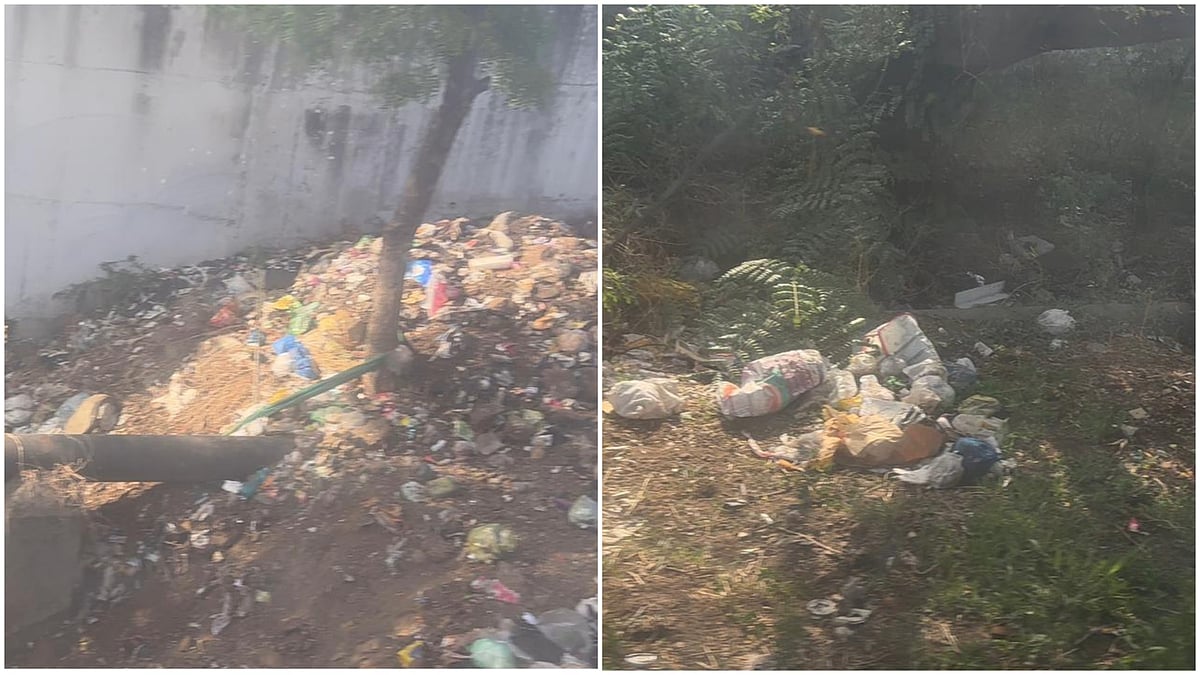
Mountains of Garbage…
Waste from Ravet, Tathawade, Punawale, and Wakad areas, which are located at the other end of the city, is also brought to Moshi. Keeping the increasing volume of waste in mind, the PCMC administration has started generating electricity from dry waste.
Fertiliser is produced from wet waste. To some extent, fuel is manufactured from plastic waste. Raw blocks are made from plastic waste and supplied to plastic product manufacturing factories, thereby recycling the plastic. However, even these measures are proving inadequate, and the mountains of garbage have not been cleared.
However, speaking on this, PCMC officials assured ongoing measures. “Dry and wet waste are being segregated. Electricity is being generated from dry waste. This will help in solving the waste problem,” said Sanjay Kulkarni, chief engineer of PCMC.
Failure to Secure Reserved Land…
Because the capacity of the Moshi waste depot is exhausted and the city is expanding rapidly, the dense population continues to drive up waste generation. Therefore, the PCMC administration believes the city needs a new waste depot.
Recognising the city’s future requirements, the Municipal Corporation had reserved land belonging to the Forest Department in Punawale for a waste depot. A 26-hectare plot was approved for the waste depot in 2008.
However, the Municipal Corporation did not make efforts to take possession of the reserved land for 17 years. As a result, the reservation has been cancelled in the Municipal Corporation’s development plan.

