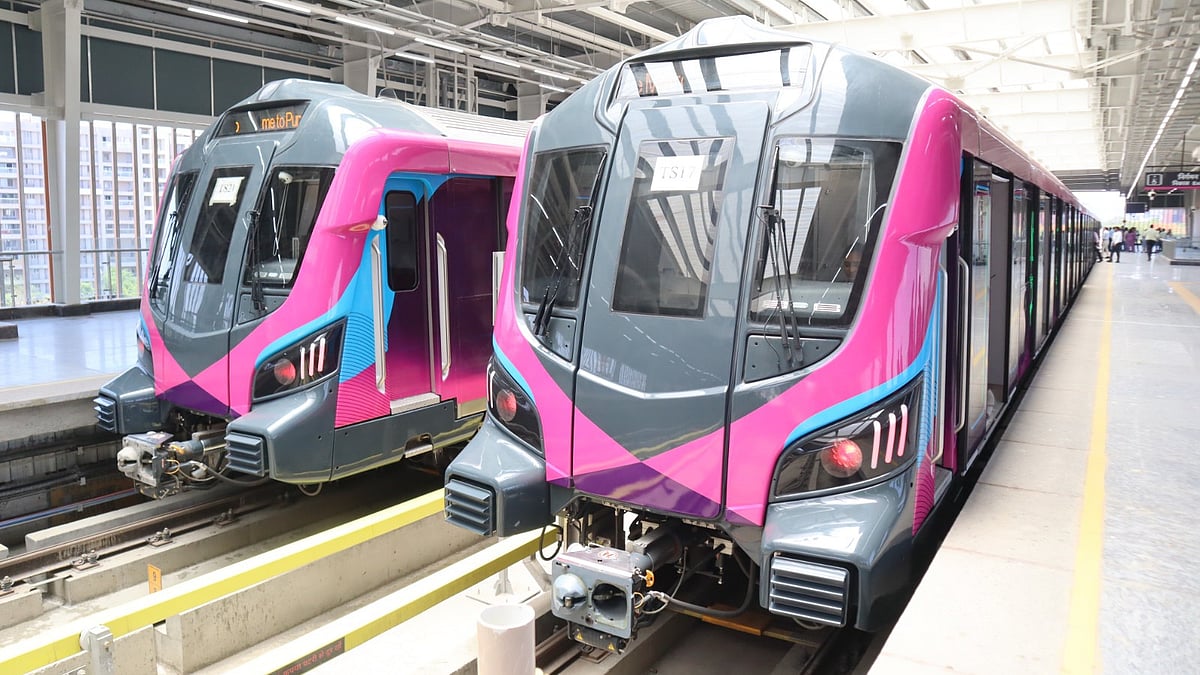
Pune: Pune Metro Line 3 will become the city's first metro corridor to operate using a 750-volt DC third-rail electrification system, bringing a technology widely used in modern metro networks across India and around the world. The 23-km Hinjawadi-Shivajinagar corridor will introduce the advanced power supply system when commercial operations begin.
The third-rail system is already used on sections of the Kolkata Metro, Bengaluru's Namma Metro and several newer metro networks across the nation and the globe. It is preferred for its compact design, lower maintenance needs and ability to support frequent urban train services.
Unlike conventional metro systems that receive power through overhead wires, the third-rail system uses an additional electrified rail installed alongside the tracks. Special collector shoes fitted beneath each train draw power directly from this rail, eliminating the need for overhead cables and support structures.
According to project officials, the technology offers several operational benefits. It reduces visual clutter by removing overhead wiring, requires less maintenance than conventional electrification systems and is designed to provide reliable power for high-frequency metro operations. The system is also less prone to service disruptions and is well suited for busy urban corridors.
For commuters, the technology is expected to support more reliable services, shorter waiting times and smoother journeys.
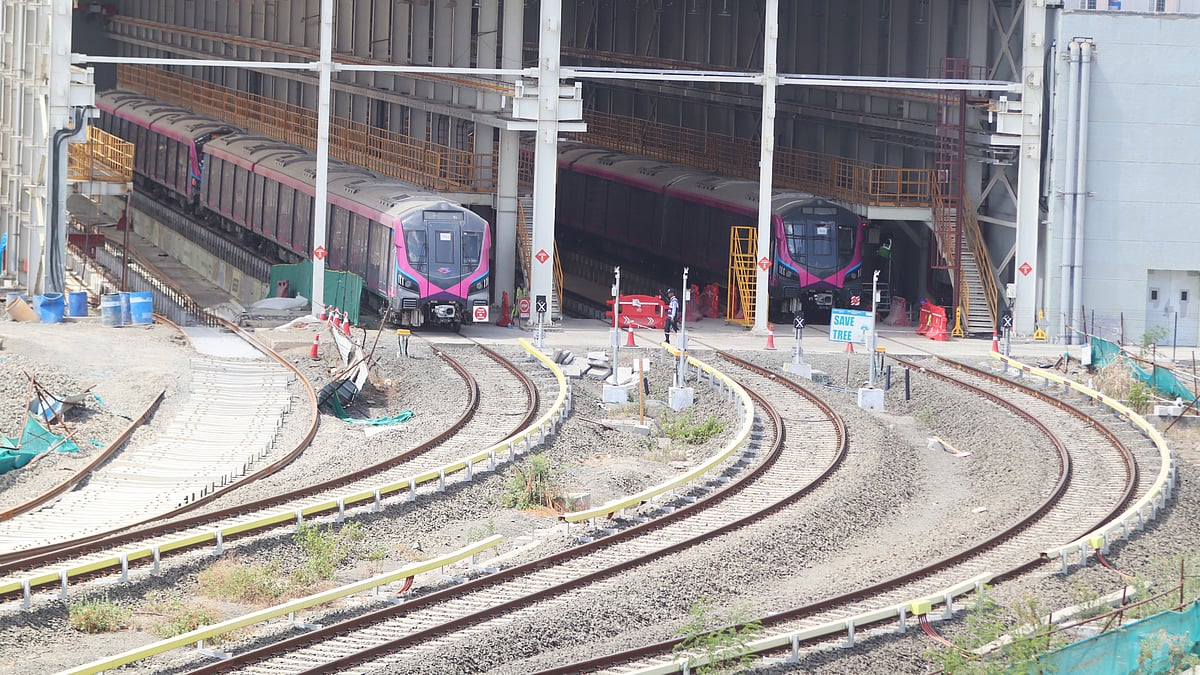
The third-rail system will be used along the Hinjawadi-Shivajinagar corridor, which connects the Rajiv Gandhi Infotech Park in Hinjawadi with major locations including Wakad, Baner, Balewadi, University Circle and Shivajinagar. The absence of overhead wires is also expected to improve the visual appearance of the elevated corridor.
Metro Line 3 will also use Communications-Based Train Control (CBTC), an advanced signalling system that continuously exchanges real-time data between trains and trackside equipment. Unlike traditional signalling systems, CBTC constantly monitors each train's location, speed and movement, allowing trains to run at closer intervals while maintaining high safety standards.
The combination of third-rail electrification and CBTC is expected to improve service frequency, increase passenger capacity and ensure dependable operations as travel demand between Pune's IT hub and the city centre continues to grow. The technology is also capable of supporting future operational upgrades, including higher levels of automation.
Pune Metro Line 3, also known as Puneri Metro, has already completed end-to-end trial runs across its entire 23-km fully elevated corridor. The project is now awaiting statutory approvals and regulatory clearances before commercial services begin.
The line will be opened in phases. The first phase will cover the 13.3-km stretch between Maan and RK Laxman Museum with 12 stations. In the next phase, the corridor will be extended to District Court station, where it will connect with the Maha Metro network.
Once fully operational, Metro Line 3 is expected to reduce travel time between Shivajinagar and Hinjawadi to around 45 minutes, compared with the current journey of nearly 90 minutes by road.
