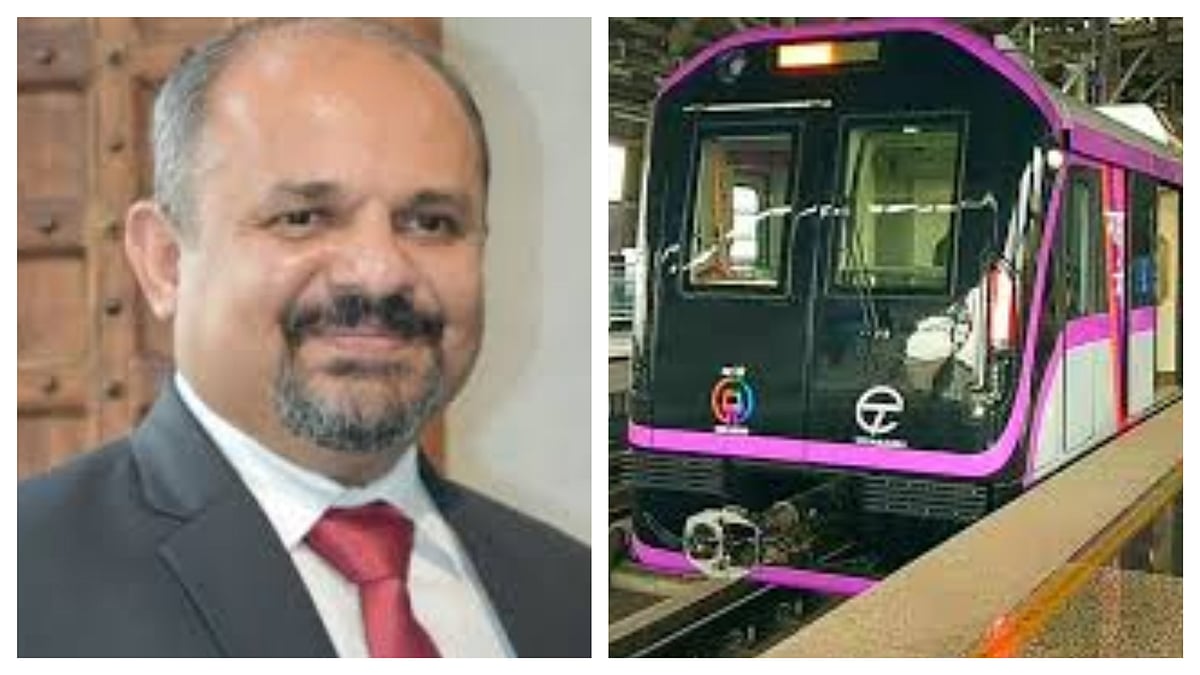
Pune: With the metro network expanding, the city is seeing a strong push towards changing commuting habits. Speaking on the issue, the Head of Pune Metro, Shravan Hardikar, has urged citizens to develop the habit of walking, especially while using metro services.
Hardikar said that in Pune, the use of two-wheelers is so widespread that it has become almost “part of the DNA” of citizens. People often ride right up to shops, offices or roadside stalls, avoiding even short walks. In many cases, commuters do not even get off their vehicles while making quick purchases or stopping for tea or snacks. This behaviour also leads to frequent illegal parking and congestion in busy areas.
He stressed that while the metro is a major step forward for the city, its effective use depends on people being willing to walk short distances. Across the world, commuters regularly walk a few hundred metres to reach metro stations. This culture has existed for decades in Mumbai, where people are used to using suburban trains and buses.

Hardikar pointed out that Pune has one of the lowest bus usage rates among large cities. As the city moves towards greater metro adoption, a shift in mindset is necessary. Citizens will need to accept walking a few hundred steps as part of their daily travel routine.
At the same time, he highlighted the need for better infrastructure. Footpaths must be improved and kept free from encroachments to make walking safe and convenient. He said that both behavioural change and infrastructure development must go hand in hand for Pune’s public transport system to succeed.
The appeal comes as the city looks to build a more efficient and sustainable urban mobility system, with the metro playing a key role in future transport planning.

