
Amid growing concerns over a shortage of LPG in Pune, several residents alleged that domestic and commercial gas cylinders are being sold at exorbitant rates in the black market.
The situation worsened after the release of a government circular for booking domestic LPG gas only after 25 days. It has created panic among consumers, with long queues being witnessed outside gas agencies.
According to residents, domestic LPG cylinders that normally cost around Rs 900 are now being sold illegally for Rs 2,000 to Rs 2,500, while commercial LPG cylinders are being sold for Rs 3,500 to Rs 4,000. Many consumers claim that the shortage has been artificially created by stockpiling cylinders and selling them at higher prices.
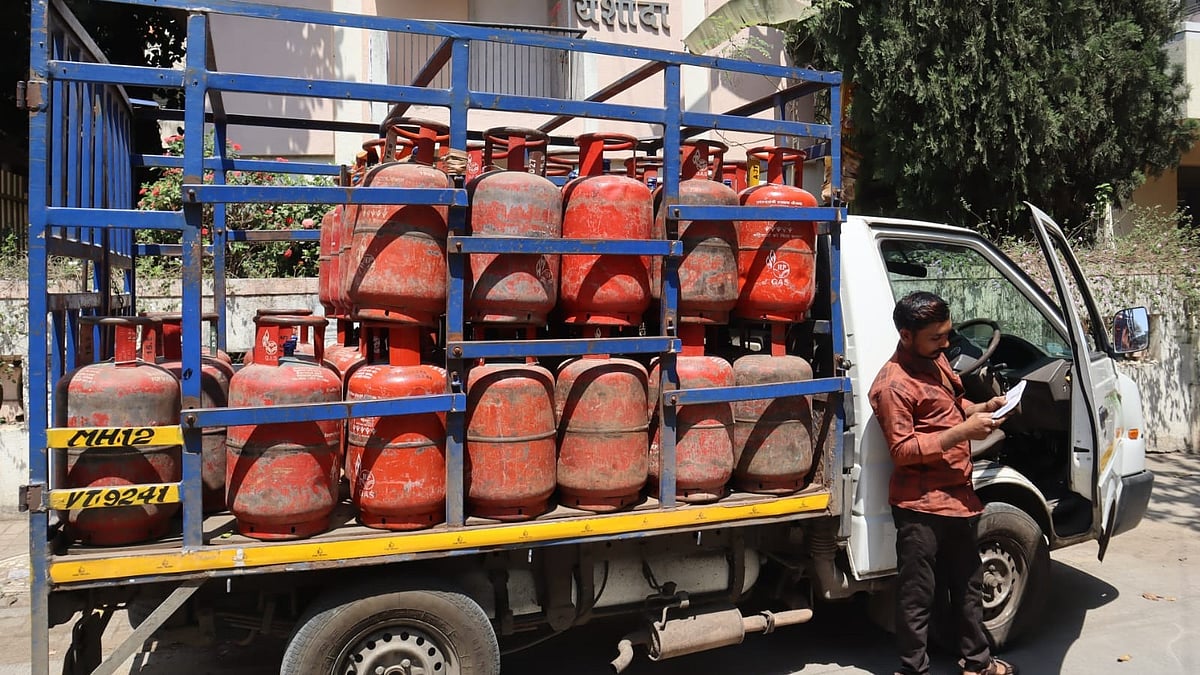
Sandesh Borate, a resident of Kondhwa Khurd, speaking to The Free Press Journal, said, “Some dealers have kept large numbers of cylinders in stock. Instead of supplying them through proper booking, they are selling them secretly at higher rates. The rush at gas agencies has further increased after a recent policy change requiring customers to book their next cylinder only after 25 days from the previous delivery. Taking advantage of this, LPG cylinders are being sold at higher prices in the black market.”
Akash Puranshive, a resident of Bibwewadi, highlighted, “Earlier we could book cylinders sooner, but now the 25-day rule has made things worse. If the cylinder finishes early, we have no option but to wait or buy it at a higher price from the black market. The government should verify the situation, and the concerned authorities should reveal the exact information about the availability of gas cylinders in the market.”

Vinay Dabhode, a resident of Market Yard, highlighted, “Domestic LPG cylinders are available quickly if consumers are ready to pay a higher price, but at the set price, we have to apply 25 days in advance. A proper team should be set up against the illegal sale of LPG gas cylinders.”
Meanwhile, the Centre has instructed oil refineries across the country to increase LPG production. The additional output will be diverted to meet domestic household demand and help stabilise supply in the coming months, the Ministry of Petroleum and Natural Gas said.

