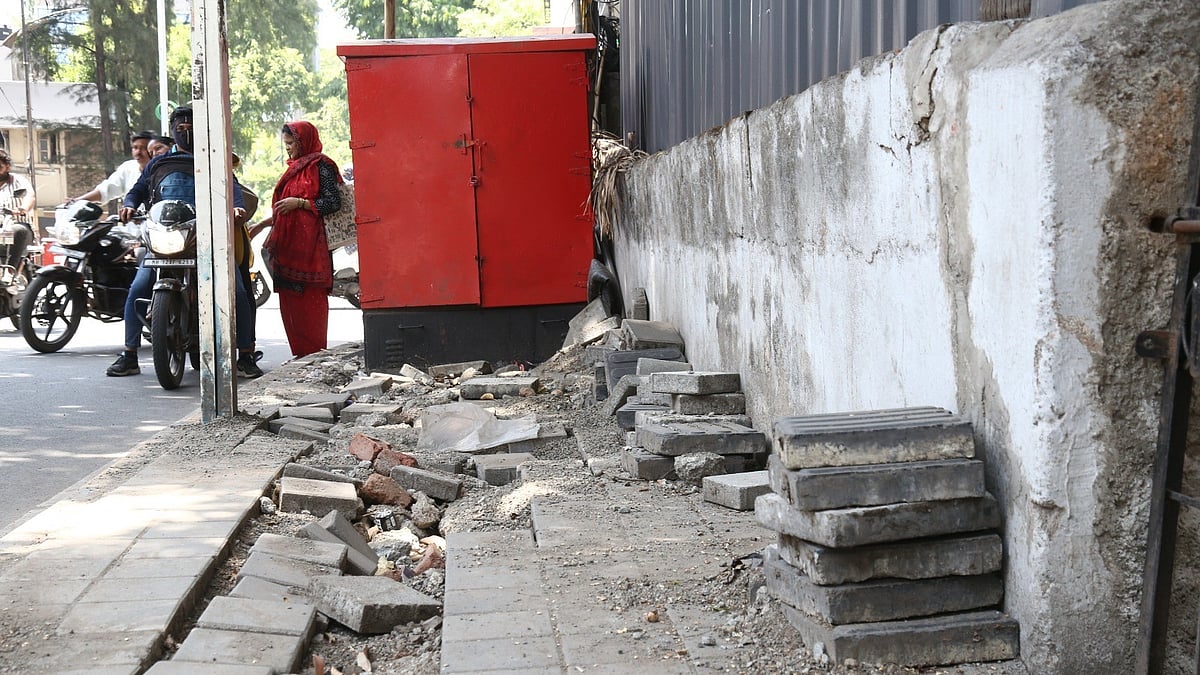
The installation of new Maharashtra State Electricity Distribution Company Limited (MSEDCL) feeder pillars on footpaths between NC Phadke Chowk and Nilayam Bridge in Sadashiv Peth has triggered controversy, with concerns being raised over pedestrian safety, violation of civic policy and potential revenue loss to the Pune Municipal Corporation (PMC).
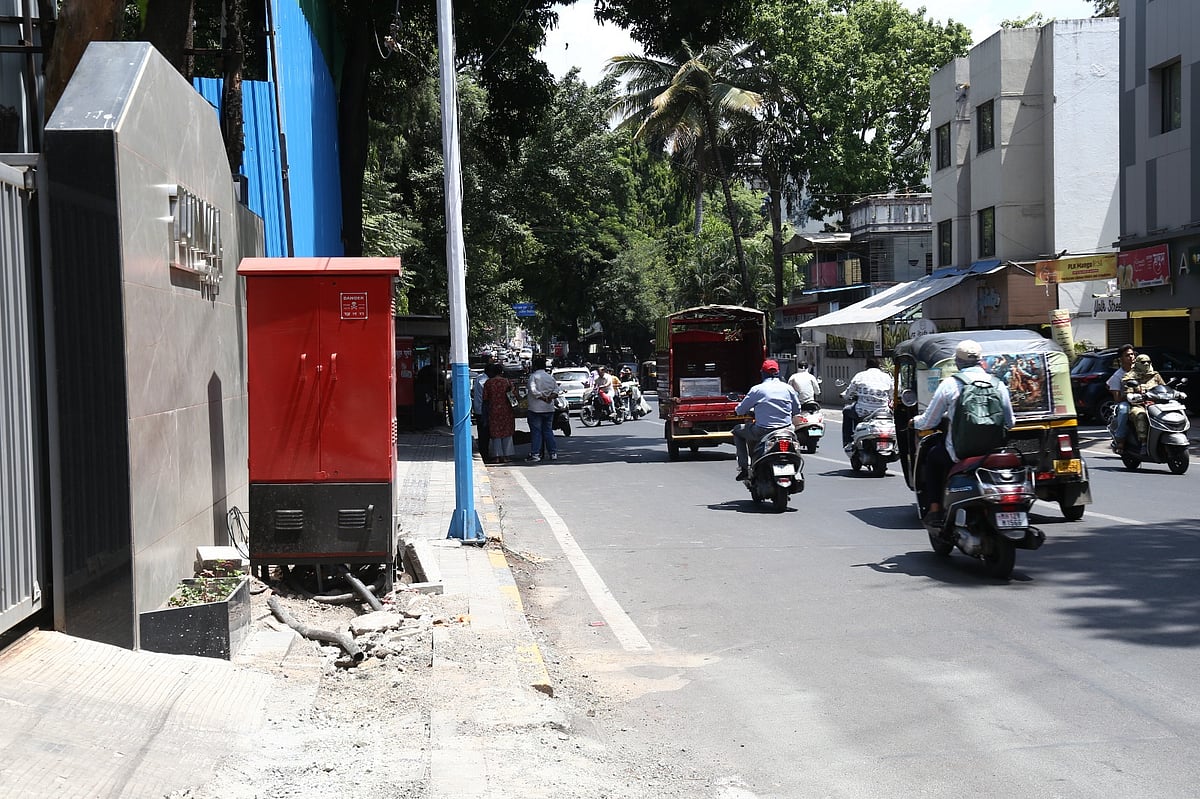
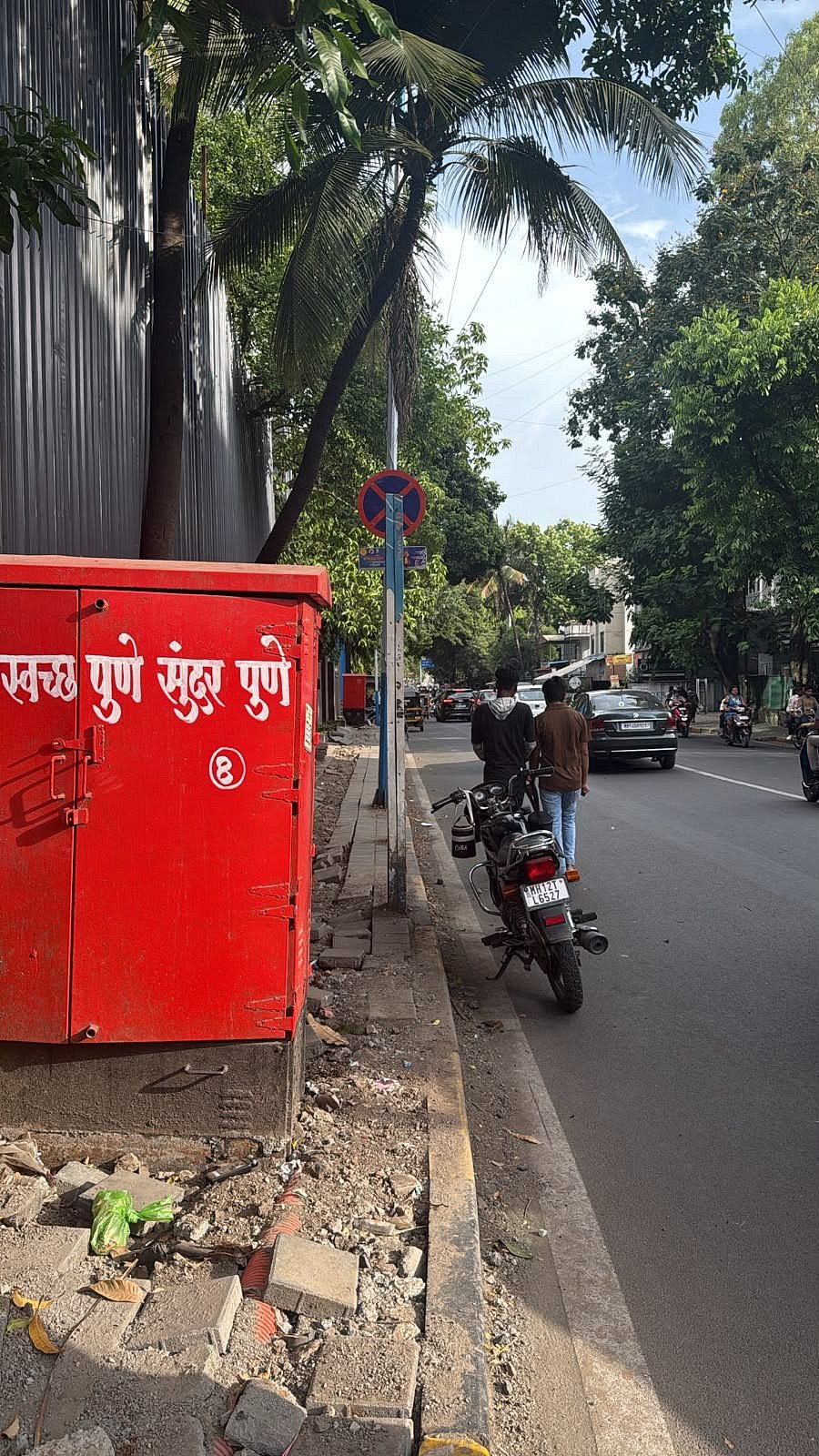
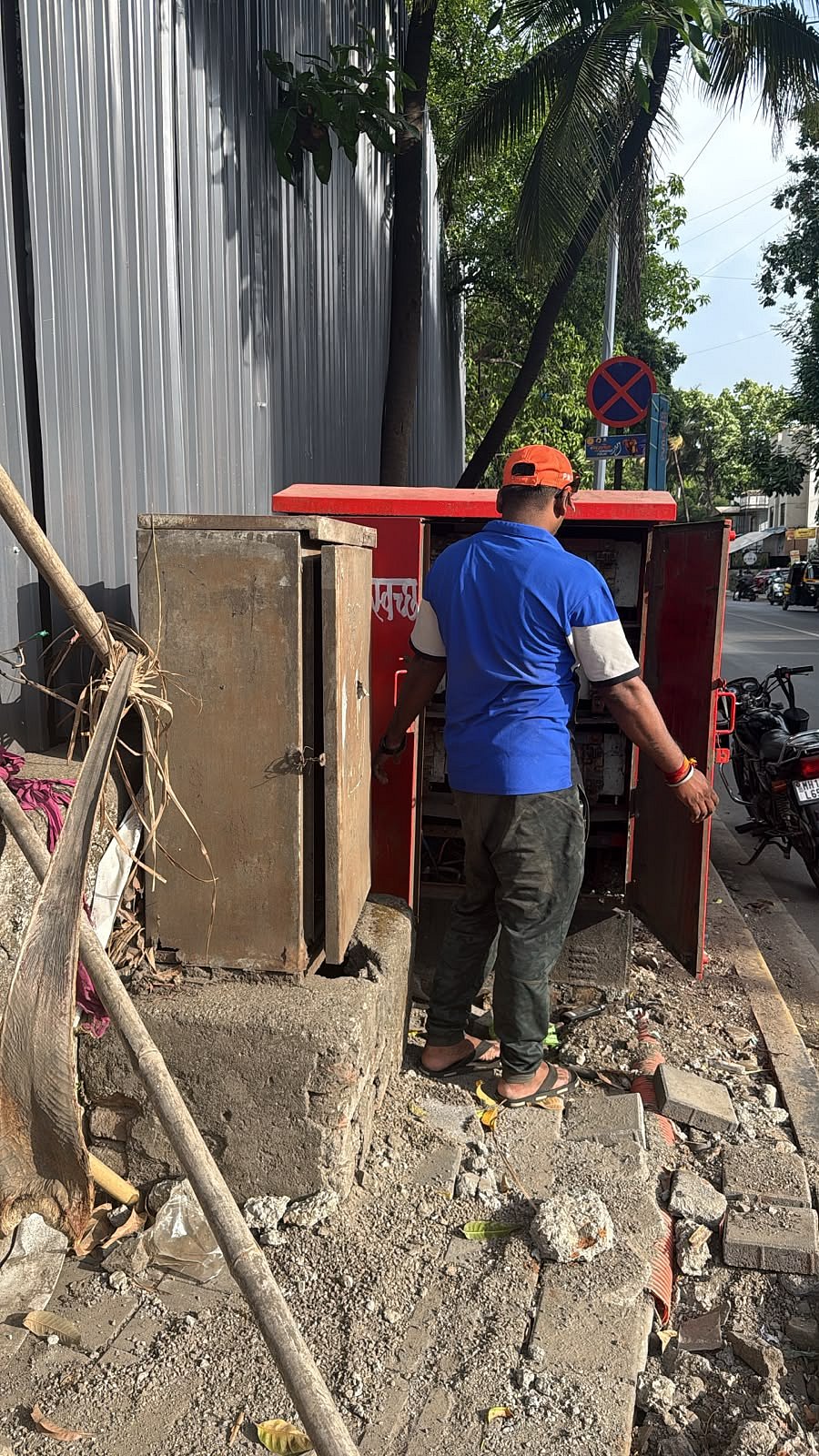
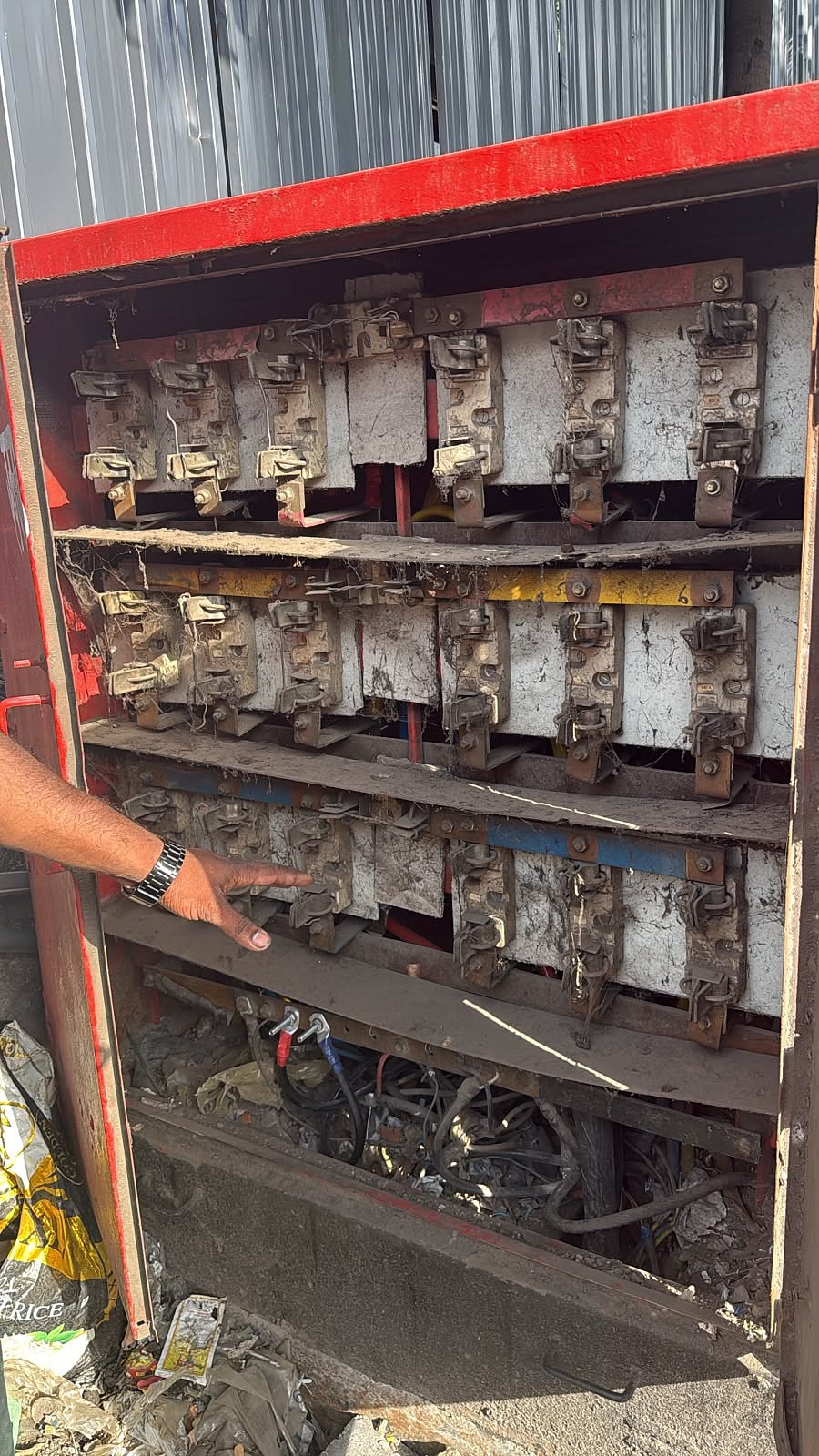
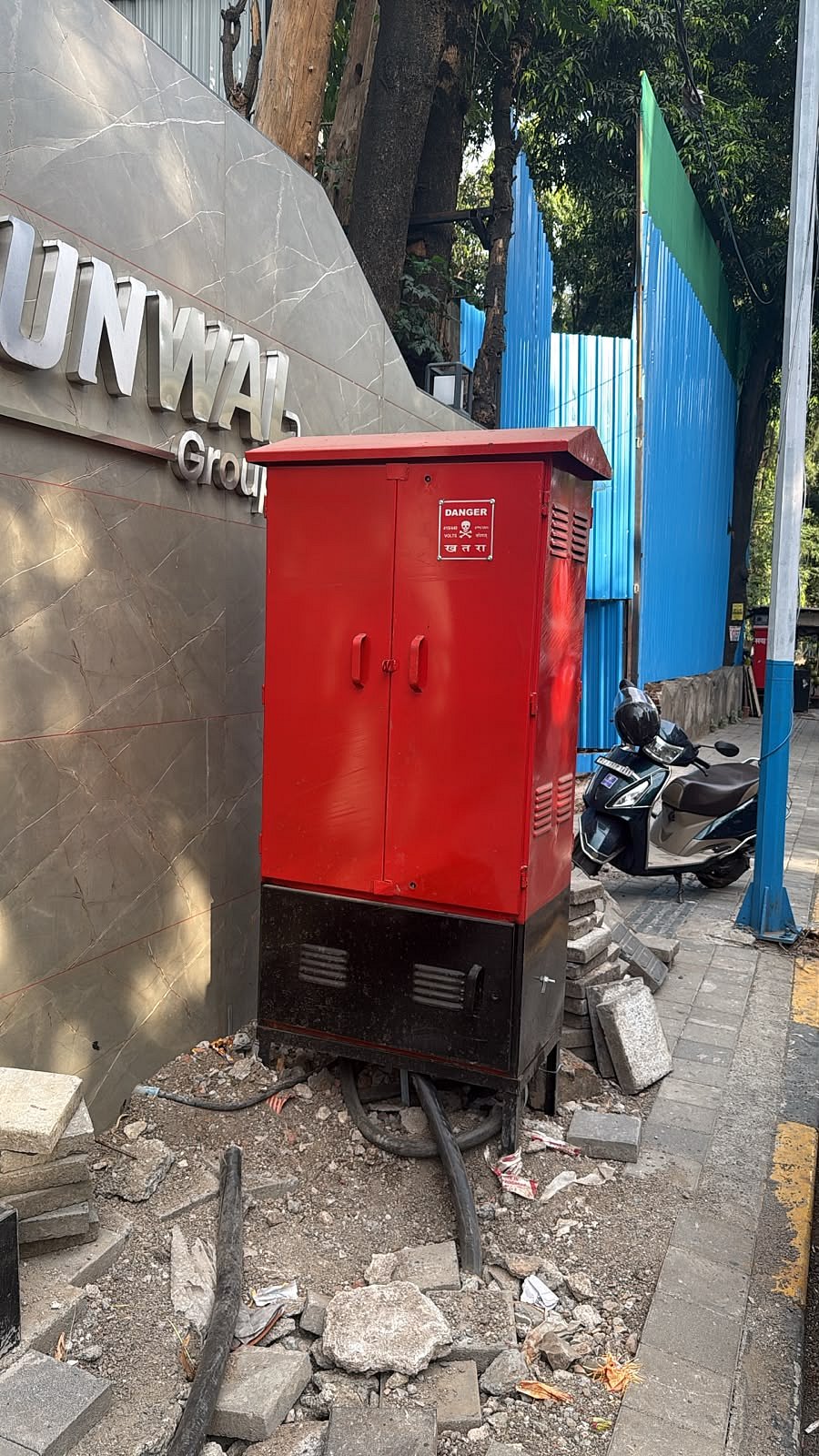
The issue is significant because the PMC’s City Transformation Committee had earlier emphasised that new utility structures should not be installed in a manner that obstructs roads and footpaths. Despite this, footpaths on both sides of the road were recently excavated and new feeder pillars were erected, creating obstacles for pedestrians.
Local residents have questioned why the feeder pillars were not installed within the premises of an adjoining redevelopment project. According to them, the developer was expected to provide space within the project area for such infrastructure. Instead, public footpath space was used, reducing the effective width available for pedestrians and creating fresh obstructions.

Questions have also been raised over the quality of restoration work and the manner in which the footpath was excavated for the installation. The controversy has deepened following allegations that the feeder pillars were installed to provide electrical connections to a nearby construction project. Sources familiar with the matter claim that there was originally a single high-tension feeder pillar at the location. However, two additional feeder pillars were subsequently installed.
Road excavation permission for the work was obtained in the name of MSEDCL. Critics argue that if the excavation had been carried out directly for the benefit of the builder, the developer would have been required to obtain permission and pay significantly higher excavation charges.
According to the allegations, private developers are charged around ₹12,000 per running metre for road excavation, while utility agencies such as MSEDCL pay substantially lower charges, approximately ₹3,000 per running metre. As a result, the civic body may have suffered a considerable loss of revenue.

Based on estimates cited by those raising the issue, the builder could have been liable to pay nearly ₹15 lakh towards excavation and restoration charges. However, because the permission was obtained under MSEDCL’s name, the amount paid was reportedly around ₹4 lakh, resulting in a difference of nearly ₹10 lakh in a single case.
Civic activists argue that if similar permissions are being granted elsewhere under comparable arrangements, the cumulative loss to the corporation could run into crores of rupees. They have demanded a thorough inquiry into the approval process, the basis on which the permissions were granted and whether public utility concessions are being used to facilitate private development projects.
The matter has also raised questions about the city’s ongoing drive to remove obstructions from footpaths. While the corporation has been conducting surveys and issuing notices to clear pedestrian pathways, residents have questioned the logic of allowing new utility structures to be installed on the same footpaths.

Demands are now being made for a detailed investigation into the installation of feeder pillars, the excavation permissions granted for the work and the financial implications for the civic administration.
Municipal officials have not yet issued a clarification on the allegations.

