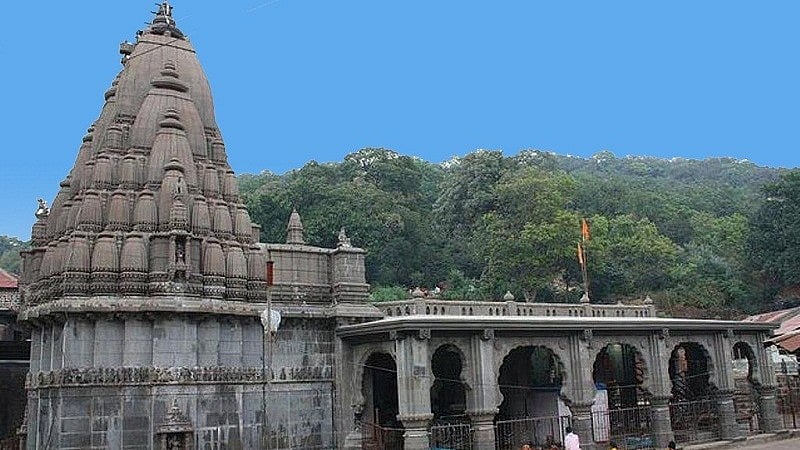
Pune: The historic Bhimashankar Temple, one of the twelve revered Jyotirlingas in India, has reopened for devotees after remaining closed for nearly five months due to ongoing development works. The temple, which was shut on January 9, 2026, resumed darshan services on June 15 under a set of strict regulations imposed by the district administration.
Under the new system, only devotees who have completed online registration are allowed entry into the temple premises. Authorities have made it clear that no special privileges will be granted, with VIP darshan, recommendation letters, and protocol-based access completely discontinued. The rules are being applied uniformly to all visitors.
As construction work on the temple's assembly hall is still in its final phase, the administration has limited daily darshan to 1,000 registered devotees between 7 am and 11 am. On the first day after reopening, thousands of devotees gathered at the shrine, chanting “Har Har Mahadev” as they offered prayers.
However, many pilgrims arrived at the temple without knowing that online registration had been made mandatory. Several devotees expressed disappointment after being denied entry due to the lack of prior registration. A few even attempted to stage protests, but the police managed the situation and restored order after explaining the new regulations.
There were also discussions about attempts by some political office-bearers and influential individuals to secure temple entry for their relatives and supporters. The administration, however, maintained a firm stand and refused to make any exceptions, allowing entry only to officially registered devotees.
Madhukar Shastri Gavande, Deputy Executive Trustee of the Bhimashankar Devasthan Trust, reiterated that the rules are the same for everyone. Devotees will be allowed darshan only on the date for which they have completed online registration. There will be no scope for recommendations, special requests, or protocol-based exemptions, he said.
The new arrangements have been introduced to ensure smooth crowd management and facilitate ongoing development work while maintaining equal access for all devotees.

