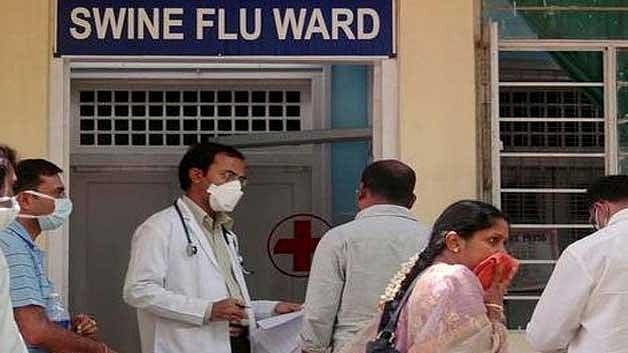
Nashik: Nashik city and district are witnessing a rise in seasonal and communicable diseases, with swine flu emerging as a concern. Changing weather conditions, high humidity and water accumulation following the monsoon have created favourable conditions for the spread of infections. Along with swine flu, cases of dengue, malaria and chikungunya are also being reported, putting health authorities on alert.
The number of swine flu cases has increased in recent weeks. According to reports, 114 new cases were detected during the first three weeks of September, taking the total number of swine flu patients to 261. The pace of infections has increased since August, with health officials closely monitoring the situation in Nashik city and rural areas.
Rural parts of Nashik district have also reported swine flu cases. Reports indicate that 33 patients were detected over a two-month period, with two deaths reported. The rise in cases has prompted health authorities to intensify surveillance and preventive measures, particularly among vulnerable groups.

Dengue is another concern for the city. More than 100 dengue cases had been reported in Nashik by early September. Cases of chikungunya and malaria have also been detected. Health officials have identified mosquito breeding sites in several residential areas, with stagnant water in households, construction sites and other locations providing favourable conditions for mosquito breeding.
The Nashik Municipal Corporation’s health and malaria departments have intensified preventive measures, including door-to-door surveys, fogging, identification and destruction of mosquito breeding sites and the use of larvivorous fish in suitable water bodies. Special attention is being given to areas where dengue cases and mosquito breeding sites have been detected.
The civic health machinery has also been conducting surveys to identify people showing symptoms such as fever, cough, cold, body ache and weakness. Citizens are being advised to seek medical attention if symptoms persist and avoid self-medication.
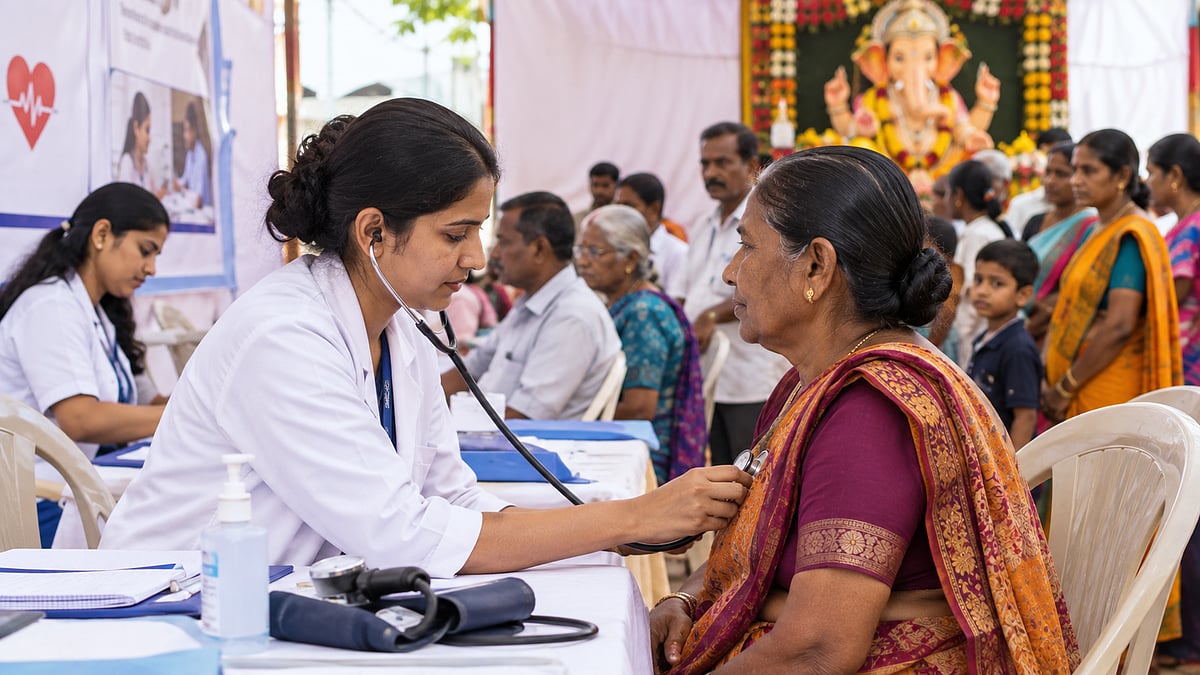
Health officials have urged residents to ensure that water does not remain stagnant in and around their homes. Regular cleaning of water tanks, coolers, flower pots and other containers can help prevent mosquito breeding. Citizens have also been advised to maintain personal hygiene and seek medical advice promptly in case of persistent fever, breathing difficulties or other serious symptoms.
With swine flu and mosquito-borne diseases occurring simultaneously, Nashik is facing a public health challenge. Continued surveillance by civic and district health authorities, along with active participation from citizens, will be crucial in preventing further spread of these seasonal infections.

