.jpg?width=1200)
Nashik: Water scarcity in Nashik district has assumed a severe form, with water currently being supplied via tankers to 187 villages and hamlets. As average rainfall this year has declined compared to the previous year, the water shortage, which began in March, has intensified further in April. The district administration has taken the situation seriously and has placed its entire machinery on high alert.
Between June 1 and October 31, 2024, the district received 1,035 millimetres of rainfall. However, in 2025, this figure dropped significantly, with the district receiving only 772.2 millimetres of rain. Due to this rainfall deficit and the intense heat of the summer season, wells, borewells, and smaller water sources in rural areas have begun to dry up. Consequently, villagers are being forced to wander in search of water.
Currently, 40 villages and 87 hamlets across the district are facing water scarcity, and water supply operations have been initiated using 44 tankers. These tankers are providing water to a population of 74,395 people. Additionally, 16 wells have been opened up for public use.
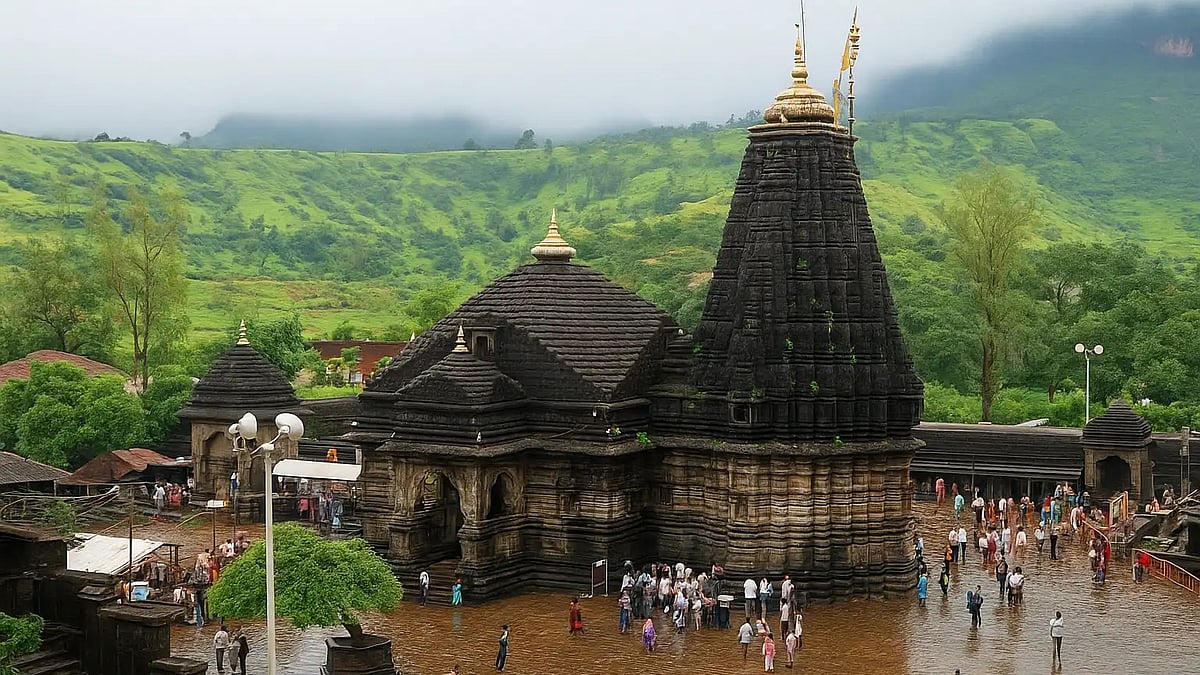
Most Affected Areas
Yeola Taluka: The most affected region. Water supply via 19 tankers has been initiated across 16 villages and 8 hamlets.
Igatpuri Taluka: The second most affected region. Water is being supplied via 7 tankers.
As the intensity of the summer heat is expected to rise over the coming days, the water levels in natural water sources are likely to deplete further. Apprehensions are being expressed that the situation could become even more critical during the month of May.
According to the water scarcity mitigation plan jointly prepared by the Zilla Parishad and the Groundwater Survey Department, arrangements have been made to supply water via 162 tankers to 486 specific locations across 260 villages and 586 hamlets. For this purpose, funds amounting to ₹6.36 crore (Rs 63,648,000) have been earmarked. A total fund of Rs 7.38 crore (Rs 73,825,000) has been made available to cover the entire water scarcity mitigation plan.
Officials from the District Collectorate have stated that the water scarcity situation is being treated with utmost seriousness, and the supply of water through tankers is being streamlined. Villagers are urged to use water judiciously and to refrain from believing in any rumours.
While the city's water supply infrastructure remains the primary focus against the backdrop of the upcoming Simhastha Kumbh Mela, the water scarcity prevailing in rural areas has posed a new challenge for the administration. The District Administration has given an assurance that the water scarcity mitigation plan will be implemented with speed and efficiency.
