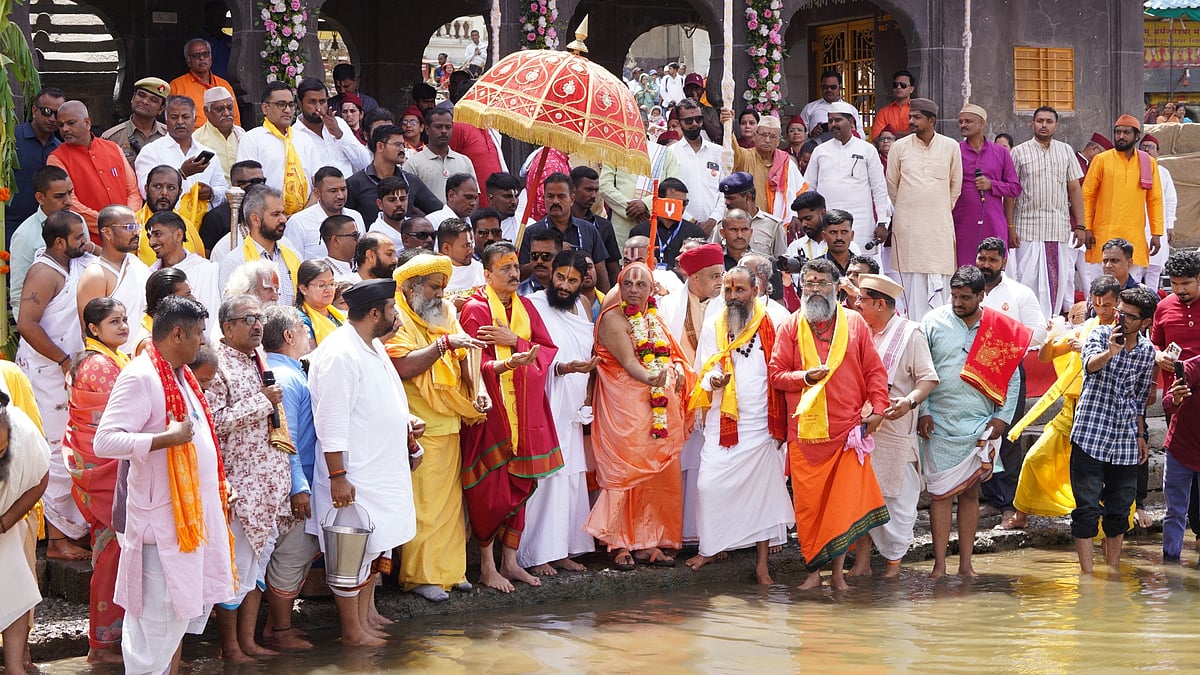
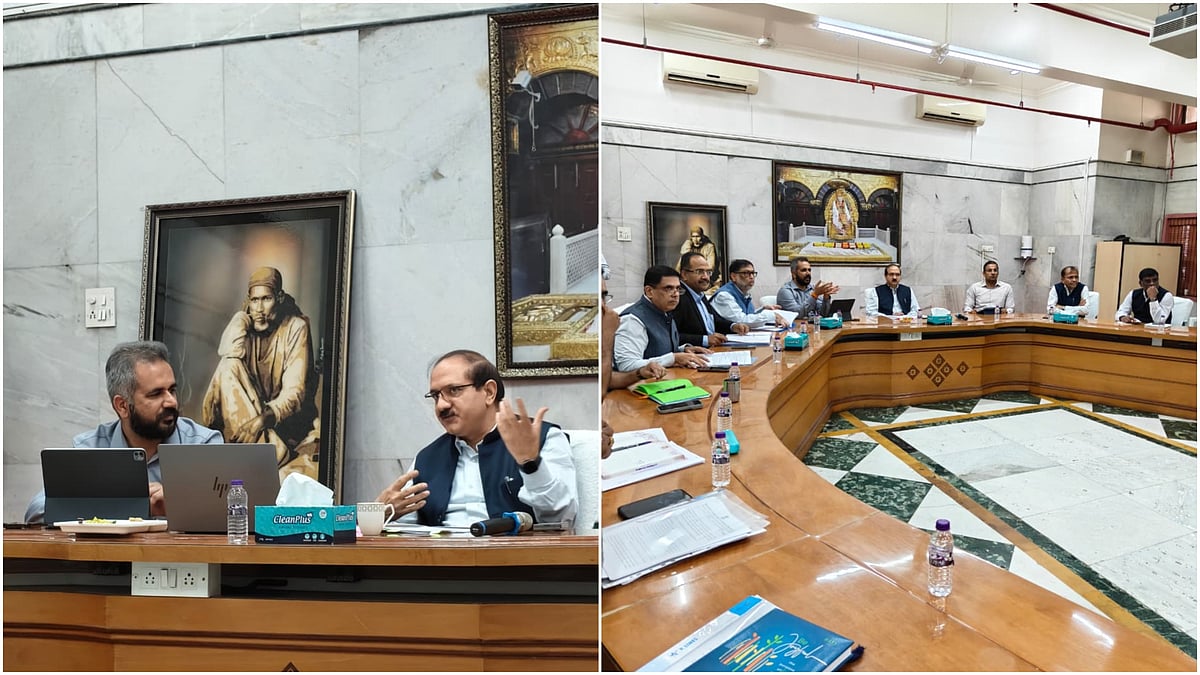
Nashik: In anticipation of the Simhastha Kumbh Mela 2027, Nashik Zilla Parishad Chief Executive Officer (CEO) Omkar Pawar held a review meeting via video conferencing with Block Development Officers (BDOs) from all Panchayat Samitis. The meeting focused on promoting rural tourism and ensuring disaster management preparedness for the devotees expected to visit the Nashik and Trimbakeshwar areas.
During the meeting, Pawar noted that a large number of devotees and tourists would visit the district's various religious, cultural, and tourist sites during the Kumbh Mela. Consequently, he instructed all Panchayat Samitis to ensure cleanliness at rural tourist spots, religious sites, and natural tourism centres, and to maintain adequate drinking water and sanitation facilities.
Pawar directed that the Kumbh Mela-related work be executed through effective coordination among the Gram Panchayat, Panchayat Samiti, Revenue, Health, Police, and other departments. "The Kumbh Mela is not merely a religious event; it is an opportunity to showcase the district's tourism, development, and management capabilities," he remarked.
The meeting was attended by Additional Chief Executive Officer Pratibha Sangamnere, Deputy Chief Executive Officer (General Administration) Mahesh Patil, Chief Accounts and Finance Officer Maruti Mule, Deputy Chief Executive Officer (Gram Panchayat) Dr. Varsha Fadol, District Health Officer Dr. Sudhakar More, District Programme Officer (Women and Child Development) Pratap Patil, Deputy Chief Executive Officer (Water and Sanitation) Deepak Patil, Executive Engineer Sandeep Sonawane, and Additional District Health Officer Dr. Rajendra Bagul, along with the Block Development Officers from all Panchayat Samitis.
This meeting is considered significant for accelerating preparations in rural areas to ensure the successful organisation of the Simhastha Kumbh Mela.
Key Directives
- Each Panchayat Samiti must plan for the management of tourist spots, religious sites, natural tourism centres, and the movement of devotees within its jurisdiction.
- Increase the participation of local self-help groups, Gram Panchayats, and youth clubs to boost rural tourism.
- Prepare for disaster management scenarios, including heavy rainfall, floods, landslides, crowd management, and health emergencies.
- Update disaster management plans for each Taluka, compile data on vulnerable locations, coordinate with emergency response agencies, and raise public awareness at the village level.
