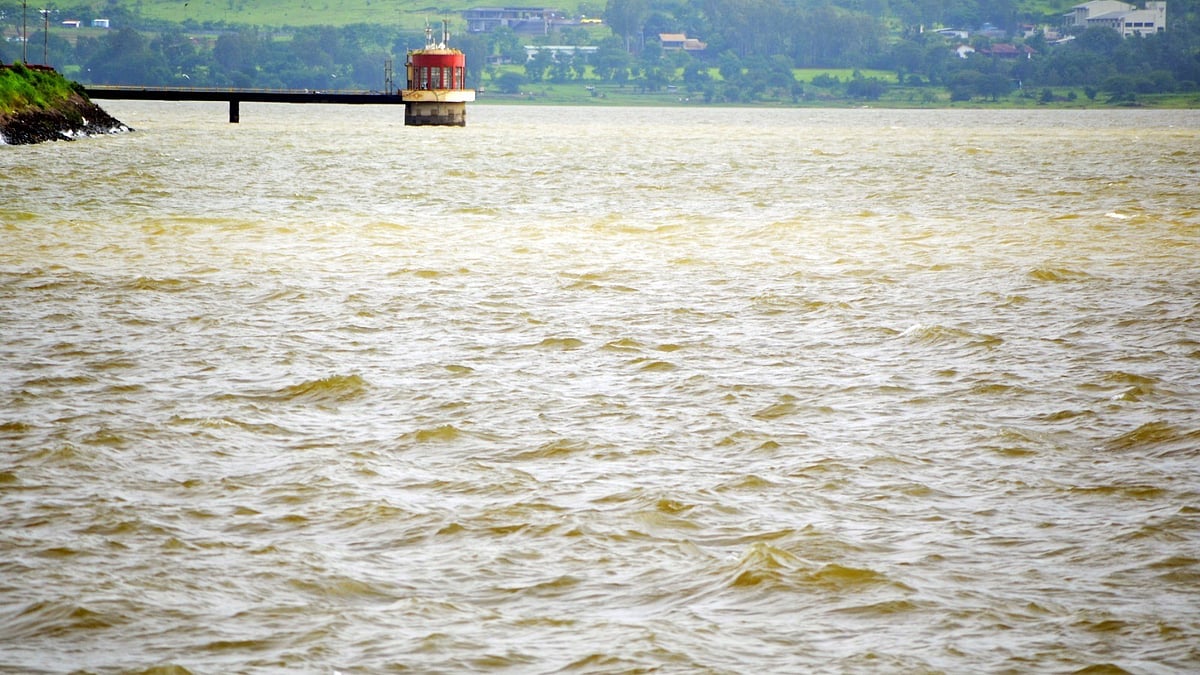
Nashik: Anticipating the upcoming Simhastha Kumbh Mela and the rising water demand during summer, the Nashik Municipal Corporation (NMC) has launched an ambitious project to utilise the 'dead storage' (water below the lowest sluice gate level) of the Gangapur Dam. The civic body has floated tenders worth ₹9.82 crore for the rock-blasting operations required for this project.
This work will enable approximately 600 million cubic feet of water, currently trapped in the dam's dead storage, to flow to the jackwell. Upon completion, Nashik city will have access to an additional water reserve sufficient to last for one month during emergencies or peak summer conditions.
Water demand is expected to surge significantly due to the large influx of pilgrims for the Kumbh Mela. The municipal administration is confident that unlocking this additional reserve will ensure the uninterrupted fulfilment of water needs for both citizens and pilgrims.

Tender Schedule
- Pre-bid meeting: September 3
- Application deadline: September 21
- Tender opening date: September 22
The plan is to complete the work by the end of March once the work order is issued.
Work Using the 'Cofferdam' Method
While there had been discussions about commencing the work when water levels were low, the project will now be executed by constructing a cofferdam to divert the internal water outward, allowing for the rock-blasting work to proceed. This approach ensures that the existing water in the dam remains unaffected while making the dead storage accessible after the rock is blasted.

