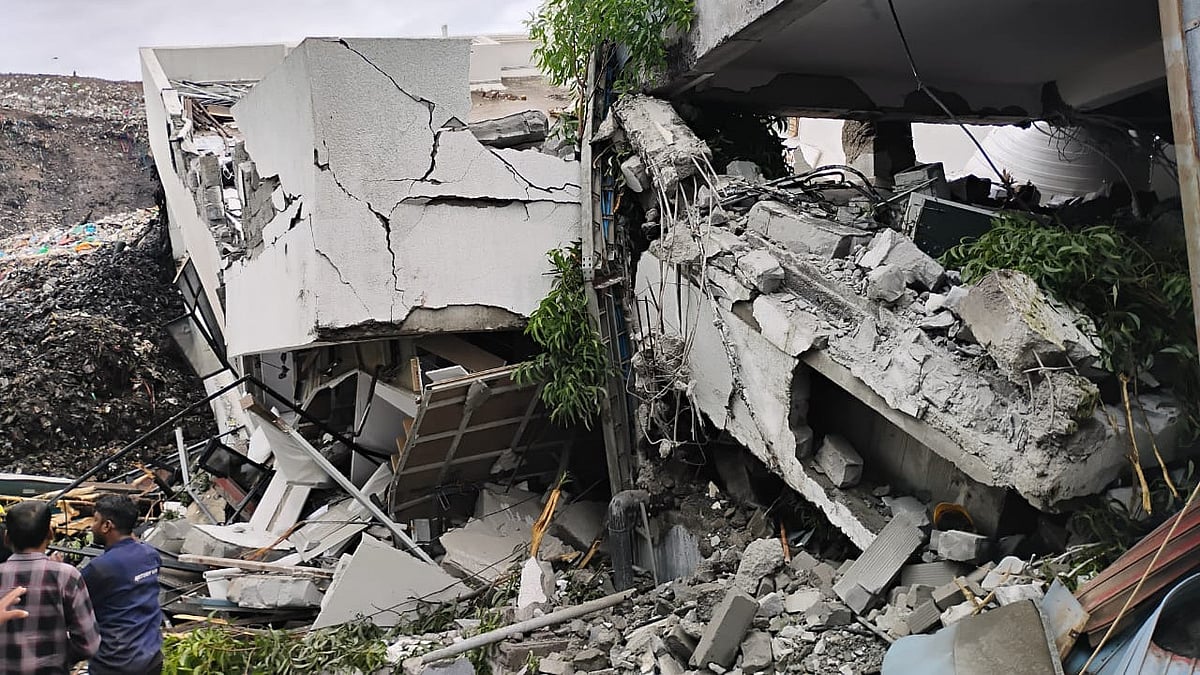
Pune: The Pimpri Chinchwad Municipal Corporation (PCMC) has attributed the July 8 Moshi landfill collapse to continuous heavy rainfall and increased methane gas pressure inside the garbage mound, according to a report submitted by its environment department.
The report said more than 650 mm of rain fell between 5th and 7th July. The continuous rainfall allowed water to seep into cavities inside the landfill. This increased the pressure of methane and other gases produced during the decomposition of waste. According to the civic body, the combined effect of heavy rain and rising gas pressure caused a large section of the landfill to collapse.
The report was prepared by Sanjay Kulkarni, city engineer and head of PCMC's environment department.
Officials said the administrative building that was hit in the incident was located around 30 metres from the landfill. They said the garbage mound collapsed within moments, leaving people inside the building with almost no time to escape.
The 8th July collapse claimed nine lives and left 14 others injured after a massive heap of legacy waste crashed into the administrative building at the Moshi waste-processing plant. The rescue operation continued for nearly 84 hours before all 23 trapped workers were accounted for.
According to the report, the damaged sanitary landfill cell has been in use since 2014-15 and contains an estimated 10 to 12 lakh cubic metres of municipal waste. The garbage heap had reached a height of around 25 to 30 metres. The 81-acre Moshi waste depot receives and processes solid waste generated across Pimpri-Chinchwad.
The civic body said the landfill was developed using standard engineering practices. Waste was dumped in layers, covered with soil at regular intervals and maintained with stable side slopes to support decomposition and reduce risks.
The report also stated that no previous inspections or observations had indicated any structural instability or warned of a possible landslide before the collapse.
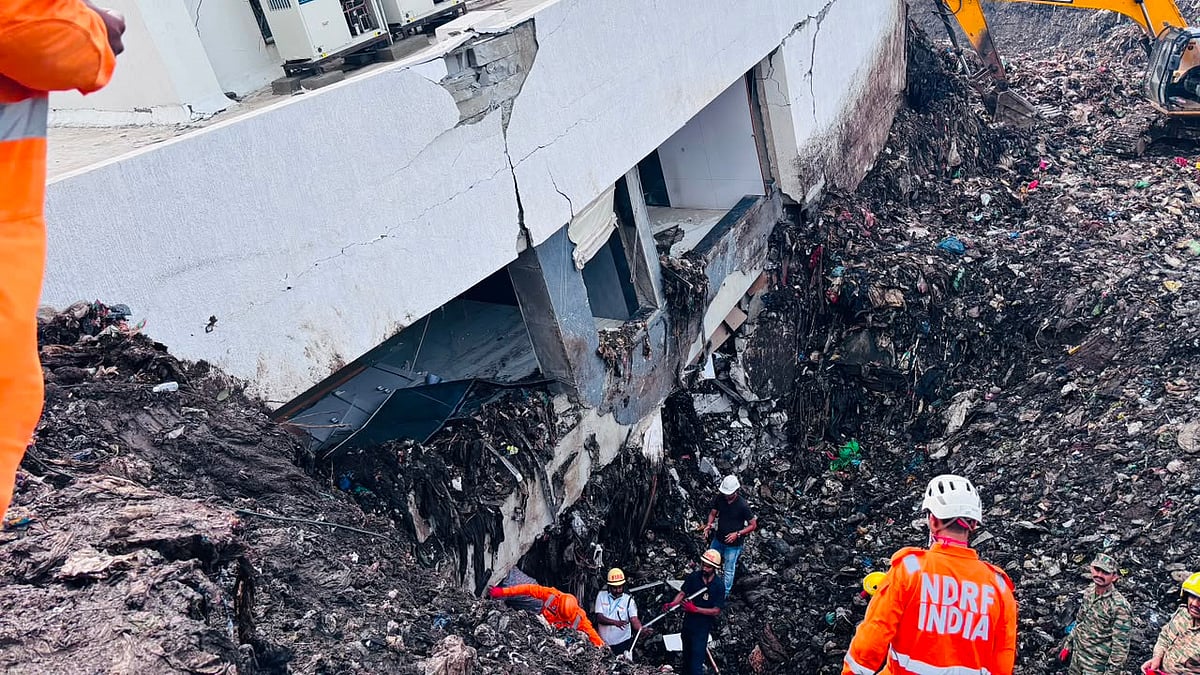
A senior civic official said the landfill has already been included in the second phase of the corporation's biomining project. However, the work will begin only after the monsoon because the process requires relatively dry waste for effective treatment.
The report said several safety measures were in place at the waste depot. Security personnel equipped with walkie-talkies were deployed around the landfill to ensure quick communication during emergencies. The PCMC maintained that its safety system was designed to respond quickly to any unforeseen incident.
Meanwhile, a senior official at the waste-processing plant described the July 8 collapse as an "act of God".

