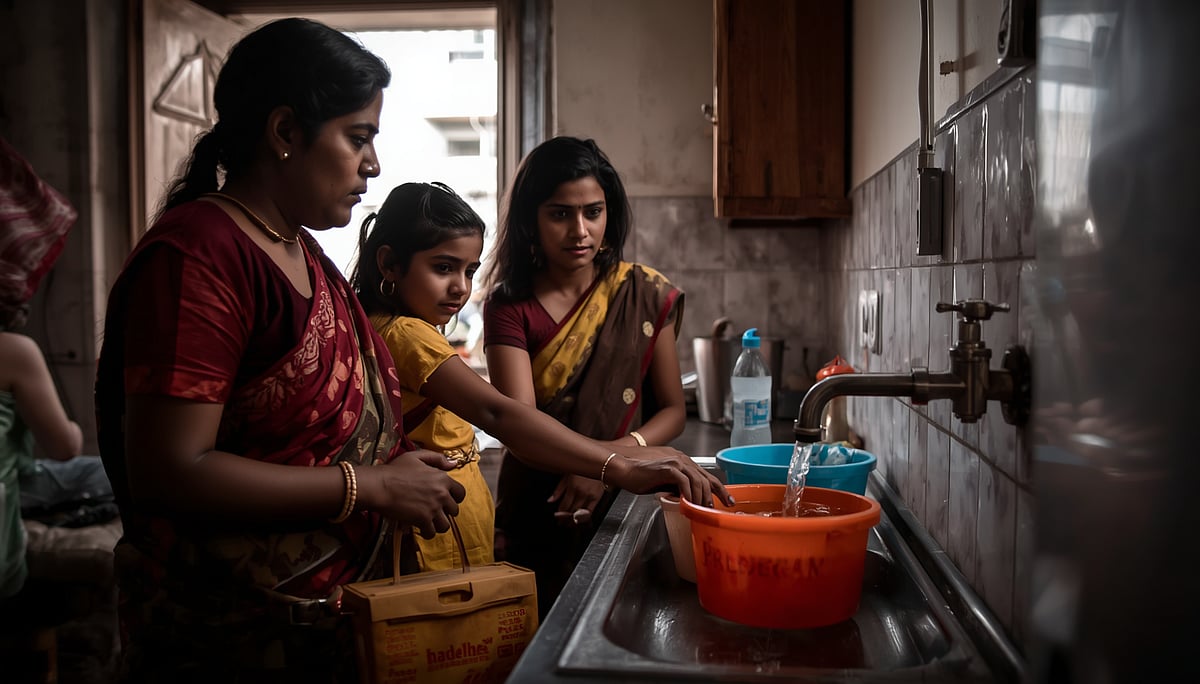
Pune: The entire Marathwada region has been grappling with the drought-like situation. Hence, the officers have been directed to make micro planning of the water distribution from the small, medium and big dams, so that the water will last till August 2027. For this planning, the superintending engineer of the irrigation department will meet all the district collectors in the region, informed the state irrigation minister Radhakrishna Vikhe Patil in a press conference here on Wednesday.
Drought situation reviewed
The meeting of the regulating board of the Godavari Marathwada Development Corporation was held here on Wednesday. Vikhe Patil presided over it. Later, he interacted with the newsmen over the drought situation.
He said the discussion about the drought situation in the state was held during the last cabinet meeting. Presently, the dams in the Marathwada region have only 10 to 15% of the water storage. Against this backdrop, considering the dead stock in these dams, preference has been given to reserve the available water for drinking purposes.
Irrigation likely to suffer
Irrigation will be hampered this year due to the drought-like situation. Still, the water tax policy will be drafted based on the satellite images of 2024-25 and 2025-26.
Water distribution to be planned
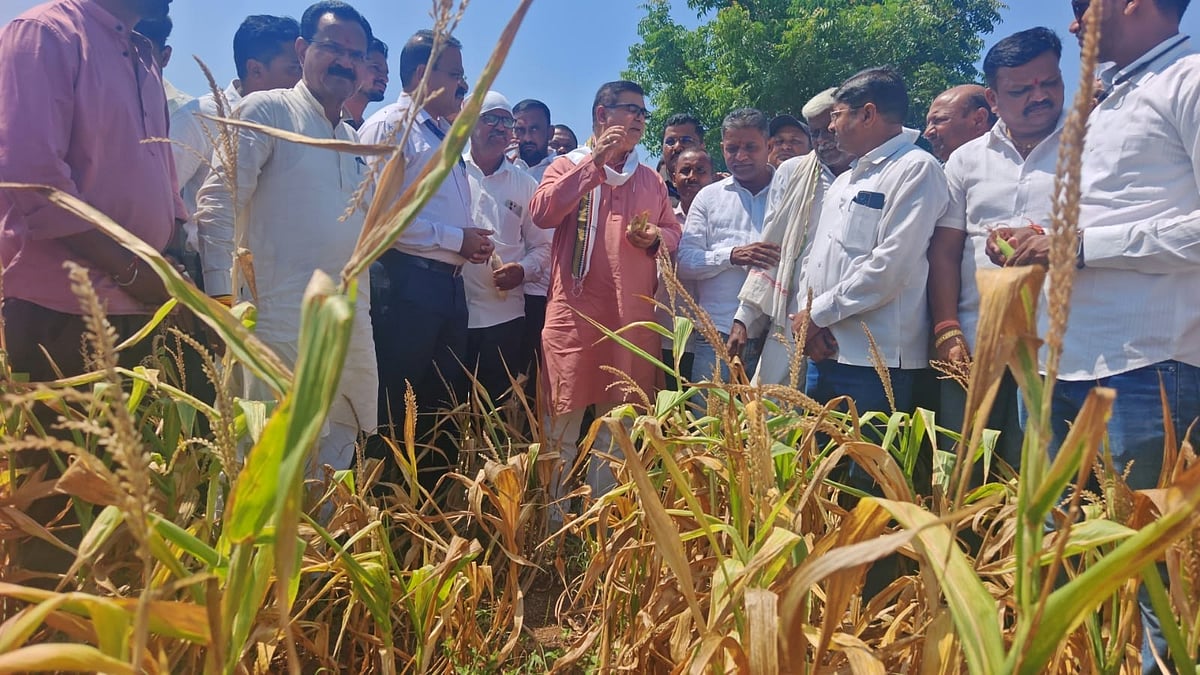
Directives have been issued to the officers to make micro planning of the water distribution so that the water can last till August 2027. Presently, Jayakwadi dam has ample water storage. Hence, the water will be provided for the Rabi season from the dam, as per the plan. However, water from the other small and medium dams will not be provided for irrigation. If needed, the plan of the water distribution from Jayakwadi can be revised. The superintending engineer will meet the district collectors in the region for making minute water distribution planning, Vikhe Patil said.
Also Watch:
Development issues discussed
During the meeting of the corporation, issues like the impact of the Godavari and Krishna Valleys on public life, migration issues, changes in the lives of the farmers, industrialisation, urbanisation and others were discussed, Patil mentioned.

