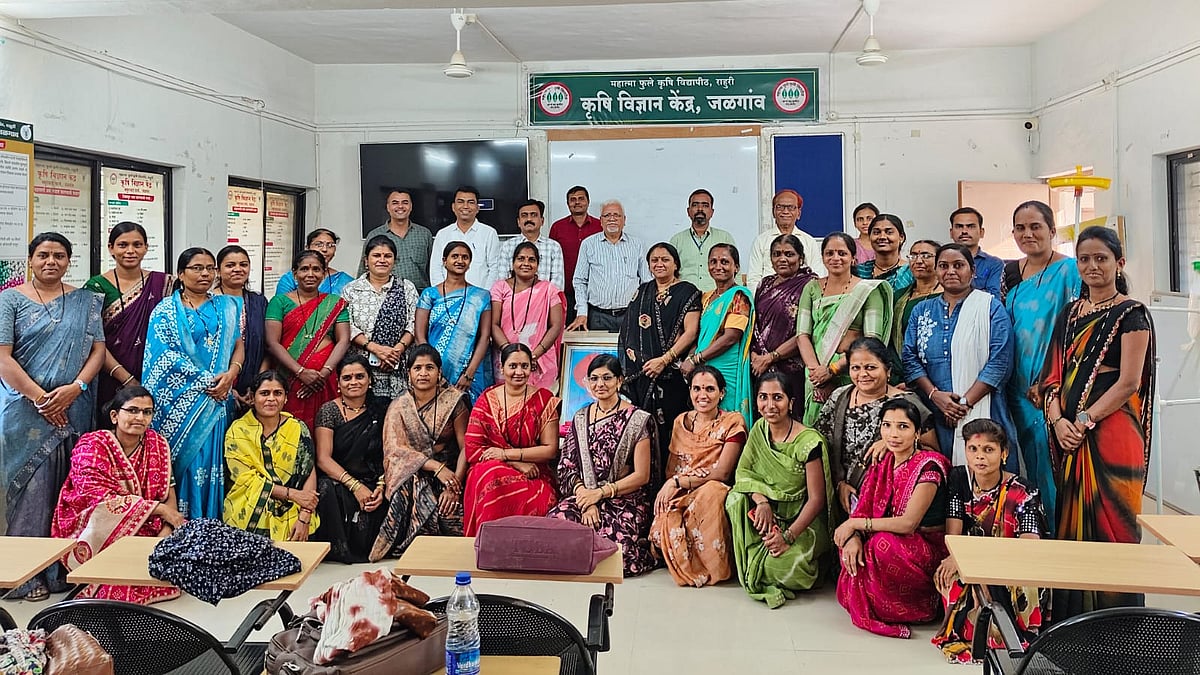
Jalgaon: With the objective of safeguarding the health and nutrition of pregnant women, lactating mothers, and women of reproductive age engaged in cotton farming, the comprehensive and multi-faceted 'Vatsalya Plus' initiative is being effectively implemented in the Jalgaon district. The primary goal of this initiative is to protect rural women from health risks arising during agricultural work, improve their nutritional status, and instil proper health-related habits.
Under this ambitious programme, which is being implemented across seven districts of Maharashtra in collaboration with UNICEF, the major cotton-growing talukas of Jalgaon district have been included: Erandol, Amalner, Parola, Jamner, Pachora, Chalisgaon, Dharangaon, Jalgaon, and Chopda. Cotton farming is considered the backbone of the district's economy, and women participate extensively in this sector. Consequently, ensuring their health and well-being has become the need of the hour.
From the sowing stage to the harvest, chemical pesticides are sprayed extensively at various stages of cotton cultivation. During this process, women are at risk of direct exposure to these chemicals, which can have severe adverse effects on the unborn children of pregnant women as well as on the health of lactating mothers.
Furthermore, rising temperatures, prolonged exposure to the sun while working, carrying heavy loads, and the neglect of nutritional needs due to hectic daily routines also pose significant risks to their health. Against this backdrop, the 'Vatsalya Plus' initiative is proving to be an effective medium for raising awareness among women regarding safe farming practices, personal protective measures, and the importance of a balanced diet.
The primary objective of this initiative is to raise awareness among women working in cotton fields regarding health-related risks and to empower them to protect themselves. The central focus of this project is to conduct extensive awareness campaigns at the village level concerning essential measures for protection against pesticides, workplace safety protocols, the consumption of a balanced and nutritious diet, and health precautions to be taken in the context of climate change.
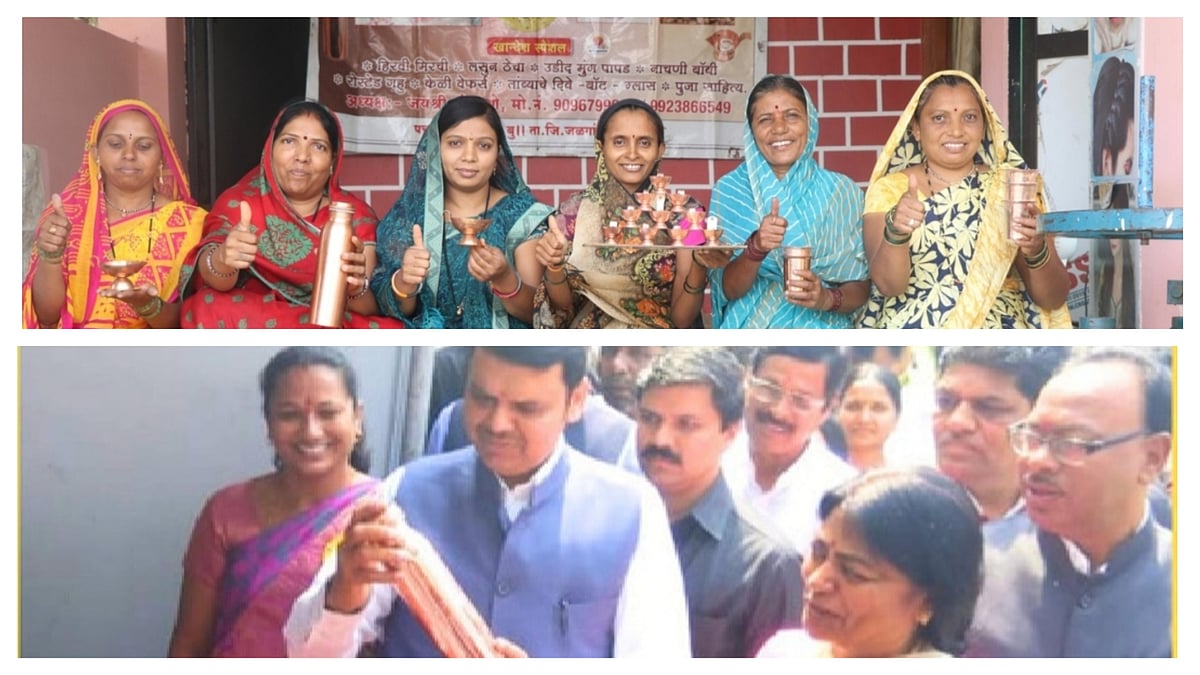
Through the 'Vatsalya Plus' initiative, efforts are being made to bring about positive changes in the health and nutritional status of rural women; in the future, this initiative is expected to play a pivotal role in creating a safe and empowering agricultural environment for women.
Special emphasis has been placed on training to ensure the successful implementation of this initiative. In the first phase, officials from the District Health Department and the Department of Women and Child Development were trained at the district level. Subsequently, in the second phase held between April 20 and April 23, 2026, intensive training was organised for village-level functionaries across four separate sessions.
These training sessions were hosted at the Panchayat Samitis of Amalner and Dharangaon, as well as at the Krishi Vigyan Kendra (Agricultural Science Centre) in Jalgaon. The training witnessed enthusiastic participation from 159 'Krishi Sakhis' (female agricultural volunteers), 8 ASHA Group Promoters, 29 Ward Coordinators, and 5 Agricultural Assistants. The participating functionaries were equipped with the necessary knowledge and skills to return to their respective villages and conduct awareness-raising activities among the local women.
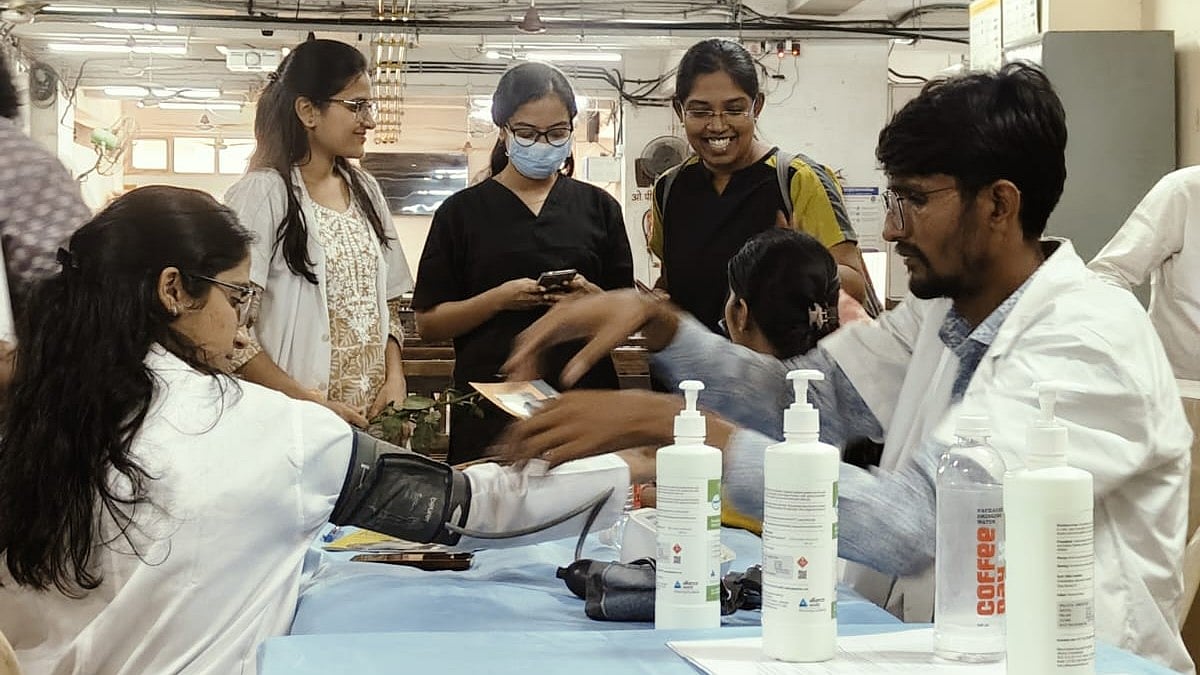
During the training, experts from the Krishi Vigyan Kendra, the District Council Health Department, and UNICEF (Mumbai) provided detailed guidance on a wide range of topics. In-depth discussions were held regarding scientific methods of cotton cultivation, the safe use of pesticides, safety precautions to be observed during pesticide spraying, proper nutrition for pregnant and lactating mothers, and the management of pests that are on the rise due to climate change.
The implementation of the 'Vatsalya Plus' initiative is being carried out effectively through the coordinated efforts of various government departments, including the Chief Executive Officer of the Jalgaon District Council, the District Health Officer, and the District Program Officer. This initiative is progressing successfully thanks to the joint efforts of the Department of Agriculture and the Krishi Vigyan Kendra. The effectiveness of the programme has been further enhanced through coordination and cooperation among various departments.

