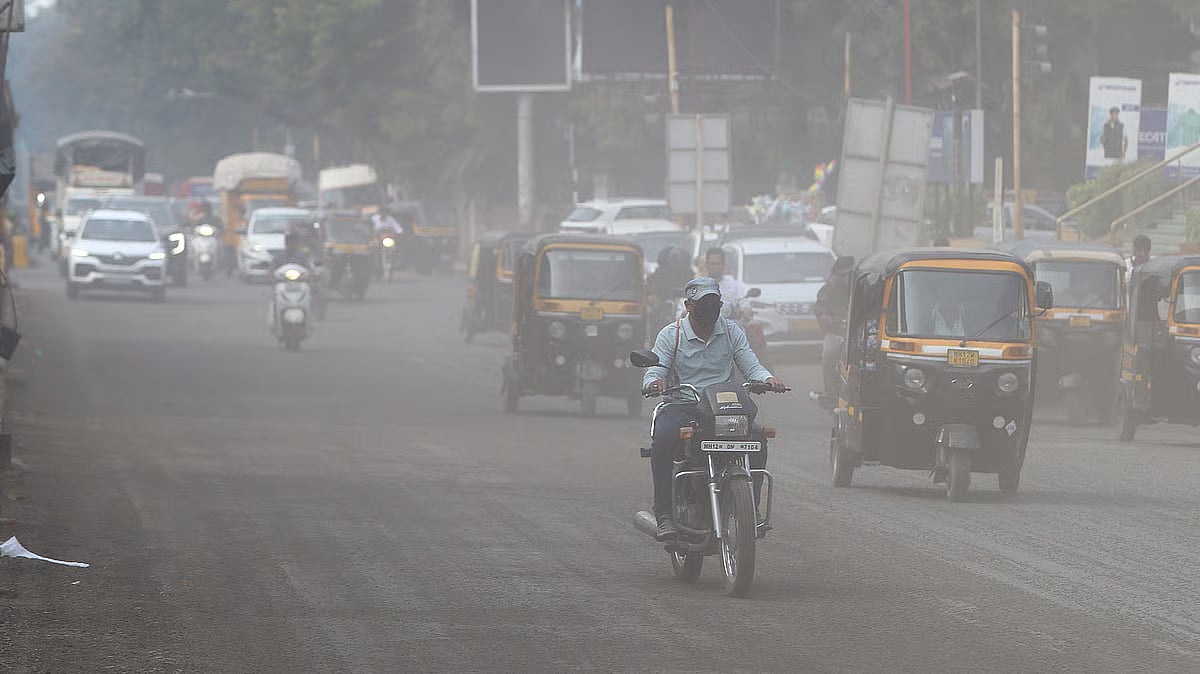
Pune: A recent study by the Institute for Transportation and Development Policy (ITDP India) suggests that policy measures aimed at controlling polluting vehicles can encourage people to switch to cleaner modes of transport. One such measure highlighted in the study is the introduction of Low Emission Zones (LEZs).
A Low Emission Zone (LEZ) is a designated area within a city where vehicles that emit high levels of pollution are either restricted or required to pay a daily environmental charge to enter. The aim is to ensure that only cleaner and less polluting vehicles are allowed access, thereby reducing harmful emissions and improving overall air quality.
According to a 2023 study by IITM-SAFAR, nearly 50% of PM2.5 emissions come from the transport sector. PM2.5 refers to extremely fine particulate matter that is around 30 times smaller than the diameter of a human hair. These particles can easily enter the respiratory system and cause health issues such as allergies, breathing problems, and asthma, especially among children and the elderly.
LEZs are recognised globally as an effective long-term strategy to reduce vehicular pollution and enhance air quality. They function by limiting the entry of highly polluting vehicles into specific zones either by banning them or charging a fee for access. Cities like London, Seoul, and Brussels have already implemented LEZs successfully.
These restrictions can apply to various types of vehicles, including private buses, public transport vans, light commercial vehicles, and heavy-duty trucks. In addition, LEZs often promote sustainable mobility by encouraging the use of public transport, walking, and cycling infrastructure.
For example, if an LEZ is implemented in central Pune, older diesel trucks or buses that produce high emissions may either be prohibited from entering the area or required to pay a daily pollution charge. This would encourage transport operators to switch to cleaner options such as electric or CNG vehicles, ultimately leading to reduced pollution levels and better public health in the city.

