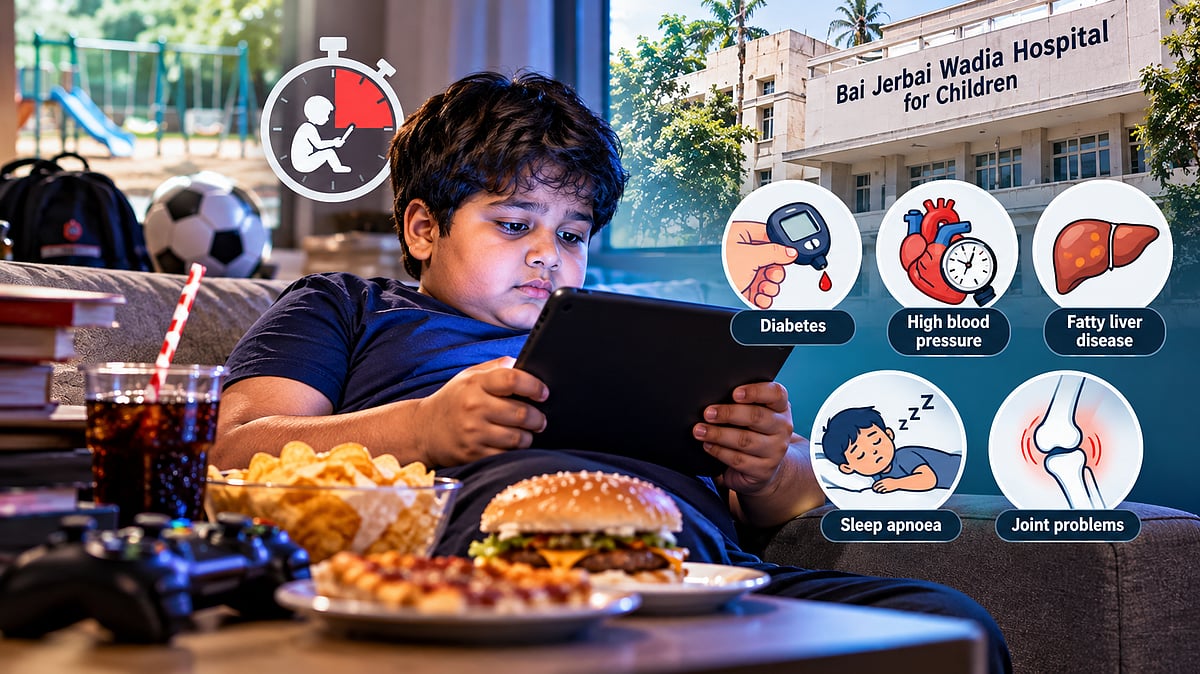
Mumbai: The shrinking playground and expanding screen time are increasingly taking a toll on children's health, with unhealthy eating habits and physical inactivity contributing to childhood obesity. Data shared by Bai Jerbai Wadia Hospital for Children shows that nearly 300 children and adolescents with obesity were seen over the past three years, averaging around 100 cases annually. Doctors warn that the condition is not merely about excess weight but can pave the way for diabetes, high blood pressure and fatty liver disease.
Lifestyle Factors Behind Most Cases
Dr Sudha Rao, Medical Director and Paediatric Endocrinologist at Wadia Hospital, said more than 80% of the children seen at its paediatric endocrinology department had lifestyle-associated obesity, without an identifiable hormonal or genetic cause.
According to the World Health Organization, obesity among Indian children and adolescents aged 5–19 years was estimated at 3.4% in 2022. Changing food habits, reduced physical activity, prolonged screen time and inadequate sleep are among the factors contributing to the problem.
Doctors Recommend Family Lifestyle Changes
“Most childhood obesity is not caused by an endocrine disorder. Healthy eating, physical activity, adequate sleep and sustainable lifestyle changes involving the entire family remain the foundation of treatment,” Dr Rao said.
She cautioned that obesity is not merely a matter of appearance. It can lead to insulin resistance, prediabetes, type 2 diabetes, high blood pressure, abnormal cholesterol levels, fatty liver disease, sleep apnoea and joint problems. In adolescent girls, obesity and insulin resistance may also contribute to irregular or absent periods and may be associated with polycystic ovary syndrome (PCOS).
Early Warning Signs Need Investigation
While lifestyle factors account for most cases seen at the hospital, some children may require further investigation. Very early or severe obesity, poor height gain, rapid unexplained weight gain, developmental concerns or unusual physical features could indicate an underlying genetic or hormonal condition, she said.

Dr Rao stressed that weight management should not involve strict dieting or blaming children. Families should instead focus on home-cooked meals, fruits and vegetables, limiting sugary drinks and packaged snacks, encouraging outdoor play, reducing recreational screen time and ensuring adequate sleep.
To strengthen specialised care, Wadia Hospital has started a dedicated multidisciplinary obesity outpatient department every Saturday from 2 pm to 5 pm. The hospital is also conducting research on metabolic syndrome associated with obesity.
Dr Minnie Bodhanwala, CEO of Wadia Group of Hospitals, said childhood obesity required early attention and support rather than blame or stigma. Early recognition, screening for complications and sustained family support are essential to protect children's long-term health, she added.
To get details on exclusive and budget-friendly property deals in Mumbai & surrounding regions, do visit: https://budgetproperties.in/

