
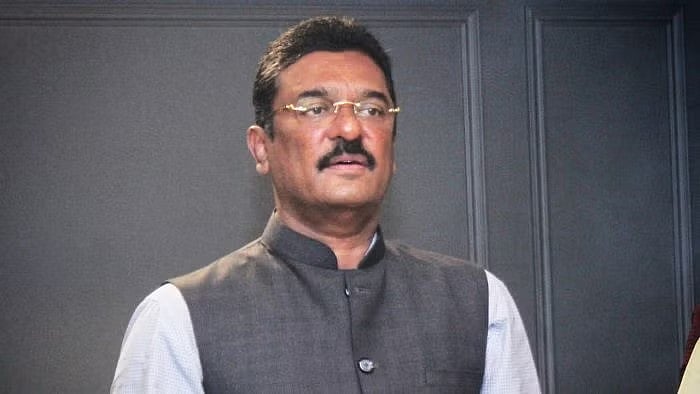
Mumbai, March 16: Pratap Sarnaik informed the Legislative Council that the State Road Transport Corporation (MSRTC) plans to convert its entire fleet of around 22,000 buses to electric vehicles (EVs) by 2037, marking a major step toward clean public transport.
If implemented as planned, Maharashtra will become the first state in the country to commit to a complete transition of its state-run bus network to electric mobility.
Government sets target for full EV transition
Replying to a discussion in the House, Sarnaik said that at present nearly 800 buses in the MSRTC fleet are electric. He added that the state government has decided to accelerate the shift to electric mobility in line with the broader national vision of promoting environmentally sustainable transport.
“It is the vision of Narendra Modi and Devendra Fadnavis that India should move towards full electric mobility by 2047. As part of this larger campaign, Maharashtra has set an earlier target to convert the entire MSRTC fleet to electric buses by 2037,” Sarnaik said.
Policy shift towards electric buses
The minister said the government had initially planned to procure about 5,000 diesel buses annually over the next five years to strengthen the transport fleet. However, the policy has now been significantly revised to align with the state’s push for electric mobility.
According to Sarnaik, apart from the 8,000 diesel buses currently under procurement, all future additions to the MSRTC fleet will be electric buses. The government is also exploring a scheme to convert existing diesel buses into electric vehicles in phases.
Solar charging infrastructure proposed
Highlighting measures to make the transition environmentally sustainable, Sarnaik said the government has proposed the use of solar energy to power charging infrastructure for electric buses. Solar-based charging stations will reduce dependence on conventional electricity and help cut carbon emissions, contributing to long-term environmental benefits.
Incentives under EV Policy 2026
The minister further said that the state’s EV Policy 2026 provides a range of incentives to encourage the adoption of electric vehicles. These include tax exemptions and toll concessions for EV users.
Currently, electric vehicles enjoy complete toll waivers on several major routes in the state, including the Mumbai–Pune Expressway, the Nagpur–Mumbai Samruddhi Mahamarg and the Atal Setu.
In addition, the state government is working to establish charging stations at intervals of about 25 kilometres along major highways to support the growing number of electric vehicles. Efforts are also underway to promote technical courses related to EV charging technology and infrastructure development.
Also Watch:
Plan to boost sustainable public transport
While Delhi currently has the largest electric bus fleet in the country with more than 4,200 electric buses, the Maharashtra government’s long-term plan to fully electrify the MSRTC fleet is expected to significantly boost the state’s contribution to India’s transition toward sustainable public transportation.
To get details on exclusive and budget-friendly property deals in Mumbai & surrounding regions, do visit: https://budgetproperties.in/

