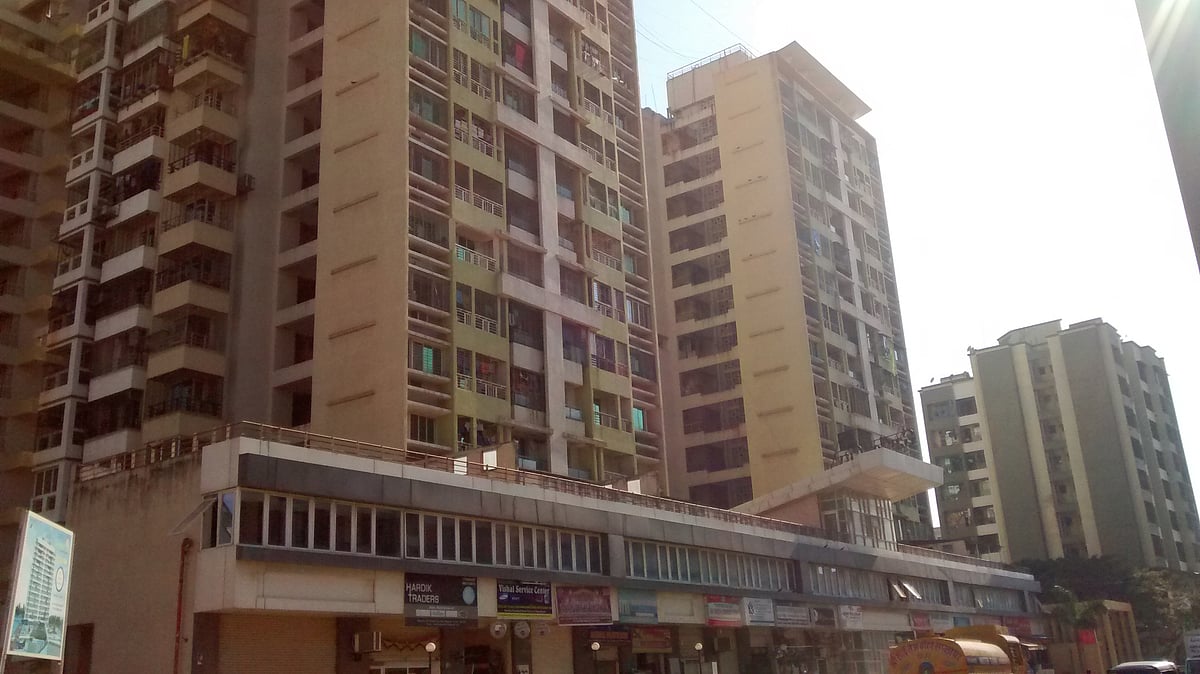
Recently, an elderly couple in Pune’s Wanowrie area was asked to pay ₹5.62 lakh as penalty for allegedly encroaching upon the floor’s lobby by placing an idol outside the flat. While the case is being heard in the cooperative court, the issue has brought to the fore how residents misuse common areas to keep shoe racks and discarded household items.
The Free Press Journal spoke to subject matter experts, who pointed out certain sections in the rule book.
What do the rules say?
The Maharashtra Co-operative Societies Bye-laws, 2014 has two provisions to this effect. Section 164 (a) and section 168 (a). Both the sections have to be read jointly.
Section 168 reads, “The society shall not let out or give on leave and license basis or permit any subletting, any open space available under the staircases, terraces/ open ground/ lawns/ club house/ common hall, etc. to any person whether the member of the society or not, for any purpose whatsoever.”
Section 168 (a) categorically prohibits usage of common areas. The sub-section states, “All open/ common areas meant for use of all members, for instance staircase, steps, landing areas, parking spaces, lift, corridor, and such other spaces, cannot be occupied by any member for his own use. The use of such areas shall be restricted to the cause for which these are meant…” Those violating these provisions are liable to cough out a penalty that is pinching enough.
The bye-laws make it mandatory for the encroacher to clear the area with immediate effect; the encroacher also has to pay a fine equal to five times the monthly maintenance charges every month for the duration of which he/ she has encroached upon the space.
The other section – 164 (a) also prescribes a penalty and procedure towards the same subject. This particular provision mentions that the general body of the society may prescribe penalties for different breaches of the bye-laws of the society. The secretary of the society, under instructions from the committee, shall bring to the notice of the member concerned, the breach/ breaches of the bye-law/ bye-laws committed by him.
If the member persists in continuing the breach/ breaches, the committee shall give notice to the member to show cause as to why the penalty should not be inflicted. The general body meeting, after considering what member has to say and after giving him hearing, may levy a maximum consolidated penalty not exceeding ₹5,000 in any one financial year.
In case of the society failing to initiate any action to a complaint, then Deputy Registrar of Co-operative Societies can be approached for his intervention and action.

