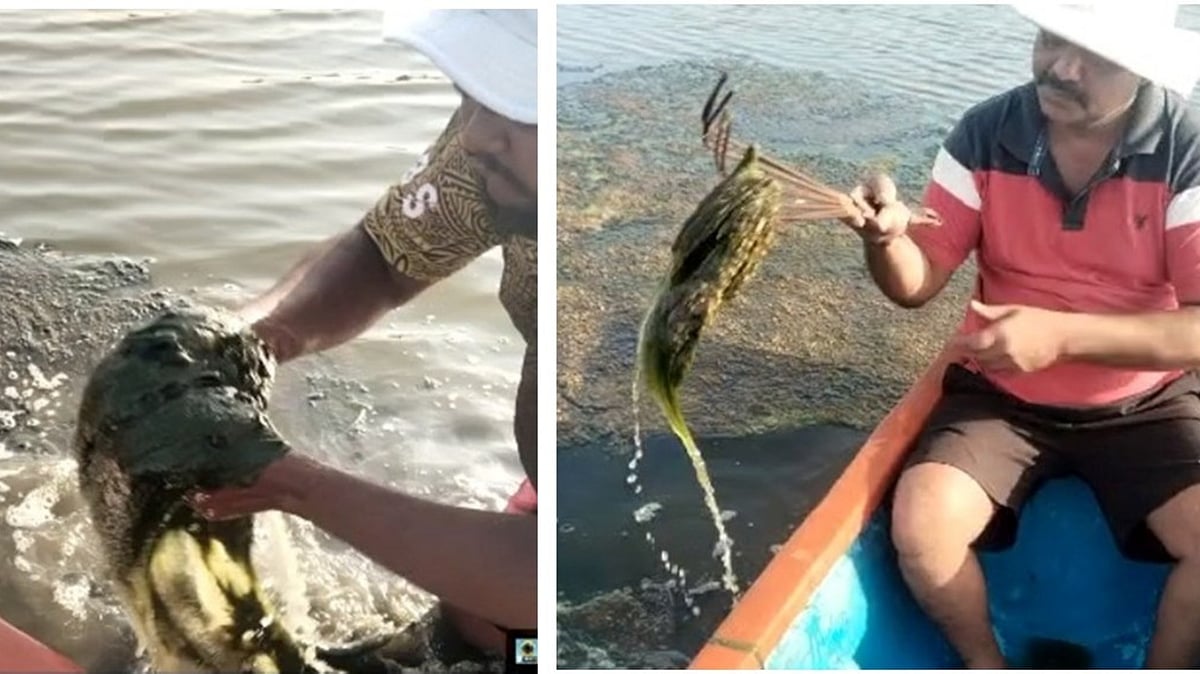
Fresh concern has emerged over the deteriorating condition of the DPS Flamingo Lake in Nerul, Navi Mumbai, with environmental groups alleging that sewage intrusion and disruption of natural tidal flow have severely damaged the wetland ecosystem.
Visible signs of distress
Citizen activists said the lake, once frequented by flamingos and other water birds, has shown visible signs of distress this season, with migratory flamingos failing to arrive and large stretches of the surface covered by dense algae.
Campaigners have urged authorities to reopen the original southern water connection between the lake and the adjoining creek, claiming the channel was filled during development of the access road leading to the Nerul passenger water transport terminal.
High organic contamination suspected
According to NatConnect Foundation, a senior scientist familiar with wetland systems has assessed that the water body may be suffering from high organic contamination, making it unsuitable as a feeding zone for aquatic birds.
NatConnect director B N Kumar said the absence of flamingos this year should be treated as a serious warning. “When birds stop returning to a habitat they once used regularly, it means the ecosystem is under stress,” he said.
Forest department cleaning
He further noted that forest department personnel engaged in cleaning activity recently removed thick layers of algae from the lake surface.
The scientist cited by the organisation reportedly observed that such algae mats prevent flamingos from standing or resting and usually develop where water circulation is poor.
Froth and oily residue
Residents and activists also claimed to have noticed froth and oily residue floating on the water. Experts suspect these could be indicators of domestic or industrial wastewater entering the wetland.
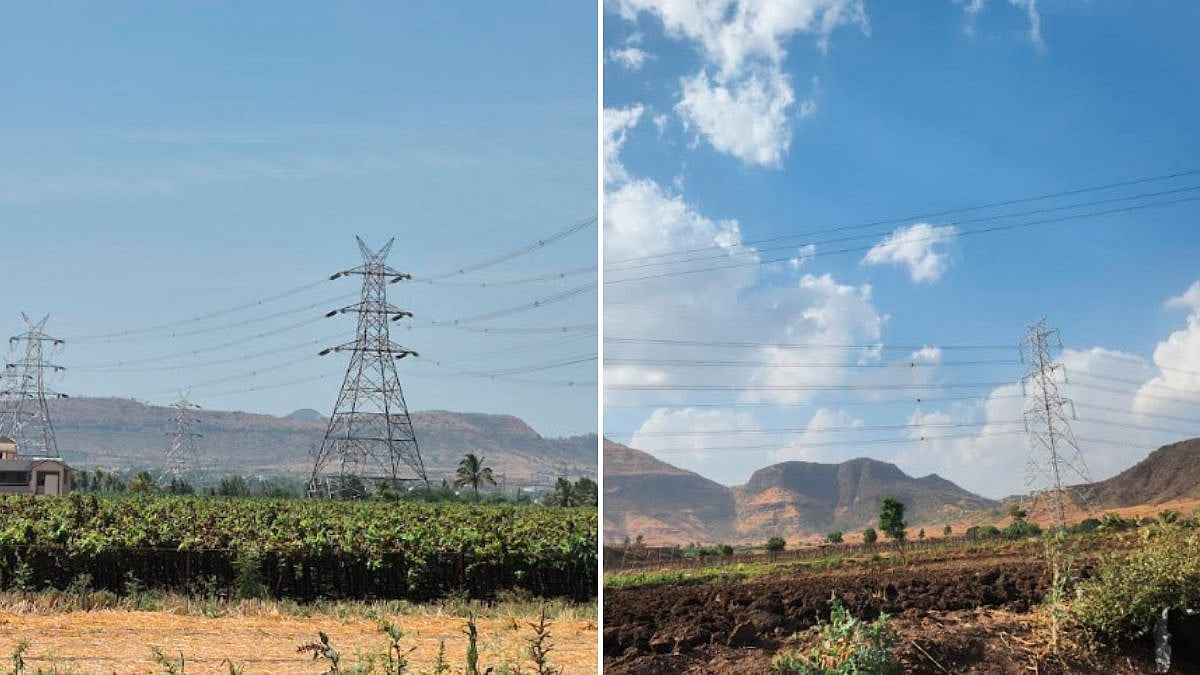
Kumar said a major drain is connected to the lake through multiple openings. During high tide, creek water enters the lake, but sewage flowing in the same direction may also be reaching the water body.
Conservationist Jyoti Nadkarni said inadequate flushing during low tide allows polluted water to remain trapped, encouraging algae growth and reducing aquatic life.
Rekha Sankhala called for restoration of the wetland and regular monitoring, stating that the lake is presently unfit to support flamingos.
Earlier laboratory tests commissioned by NatConnect reportedly found abnormal levels of TDS, pH, BOD and COD, pointing to stagnant water, sewage load and chemical pollution.
To get details on exclusive and budget-friendly property deals in Mumbai & surrounding regions, do visit: https://budgetproperties.in/

