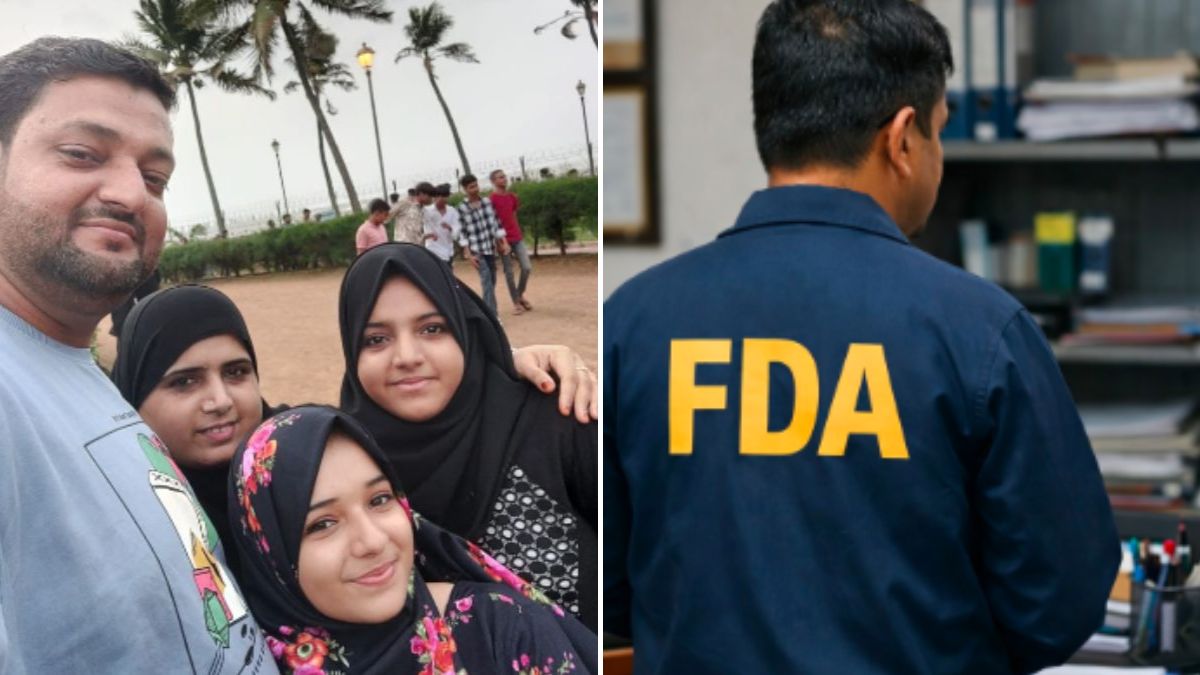
Mumbai: Serious questions are being raised over food adulteration and toxicology testing procedures following the deaths of four members of a family in Mumbai’s Pydhonie area after allegedly consuming watermelon. Experts and sources associated with forensic science have questioned the role of the Food and Drug Administration (FDA), stating that the agency cannot simply absolve itself by claiming it lacks the facility to test food samples for poisonous substances.
Medical Treatment Began Nearly Five Hours After Suspected Poisoning
According to sources, in the Pydhonie case, medical treatment reportedly began nearly five to five-and-a-half hours after the suspected poisoning, resulting in the loss of the crucial “golden hour.” There is also a possibility that treatment procedures generally used to flush out poison from the body were delayed, affecting the chances of survival.
Questions are also being raised over the delay of nearly 12 days in obtaining the forensic science laboratory (FSL) report in the Dokadia family death case. Experts said forensic laboratories use advanced technologies to determine whether food samples contain toxic substances. However, the timing of sample collection and submission is critical. If the samples are submitted late or if the concentration of toxic substances diminishes over time, the diagnosis process becomes more difficult and time-consuming.
Investigators Examine Possibility of Highly Toxic Rodenticide Use
Investigators are also examining the possibility that a highly toxic rodenticide may have been used in the incident. Such rat-killing substances are commonly available in the form of green-coloured pellets or cakes. Several questions remain unanswered, including whether the poisonous substance was mixed directly into the watermelon, dissolved in water-rich fruit pulp, or present in the salt allegedly sprinkled on the watermelon before consumption.

Sources further pointed out that inadequate infrastructure and lack of sufficient testing facilities in laboratories often delay the examination of food and drug samples. Samples reportedly remain pending for long periods, while only highly perishable items are prioritised for testing. In one instance two years ago, drug samples sent for testing reportedly remained pending for over 15 months, and by the time the report was received, the stock of medicines at the concerned hospital had already been exhausted.
In the present case, the FSL report reportedly found traces of zinc phosphide a poisonous substance commonly used in rat poison in the watermelon samples as well as in the bodies of the four deceased persons. However, no such findings were reportedly mentioned in the FDA’s report, raising further doubts and inconsistencies in the investigation.
To get details on exclusive and budget-friendly property deals in Mumbai & surrounding regions, do visit: https://budgetproperties.in/

