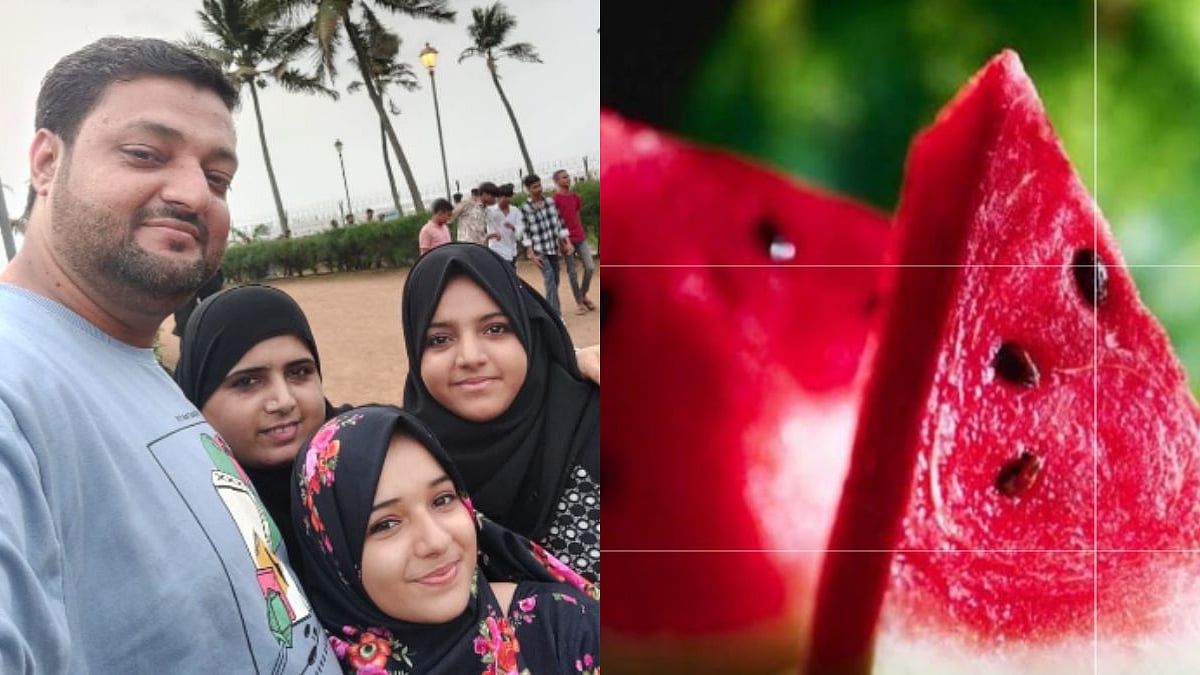
Mumbai: In the case involving the deaths of four members of the Dokadia family in Pydhonie, the Histopathology report from Sir JJ Hospital has now been submitted to the police. However, investigators are yet to reach a conclusion on what kind of FIR should be registered in the case.
FDA & FSL collected food, water & watermelon samples
Four members of the Dokadia family died on April 26, following which an Accidental Death Report (ADR) was registered at Sir JJ Marg Police Station. During the investigation, officials from the Food and Drug Administration (FDA) and the Forensic Science Laboratory (FSL) collected samples of food items, drinking water, and half a watermelon kept in the family’s refrigerator for testing.
While the FDA report reportedly did not find any signs of adulteration, the FSL report stated that zinc phosphide was detected in the watermelon sample. Zinc phosphide is commonly used as rat poison, officials said. Police sources further said that the Histopathology report has now also been received from Sir JJ Hospital, and no further reports are pending in the case.
Abnormalities found in liver cells; all four had fatty liver
Despite receiving the Histopathology, FSL, and FDA reports, the police are yet to decide the basis on which an FIR should be registered. According to a police officer, the Histopathology examination involves a detailed analysis of internal organs and tissues, including the liver, kidneys, and heart. During the examination, certain abnormalities were reportedly found in the liver cells of deceased Abdulla Dokadia. The report also revealed that all four deceased family members had fatty liver conditions. However, police officials said they have still not reached any final conclusion in the matter.
To get details on exclusive and budget-friendly property deals in Mumbai & surrounding regions, do visit: https://budgetproperties.in/

