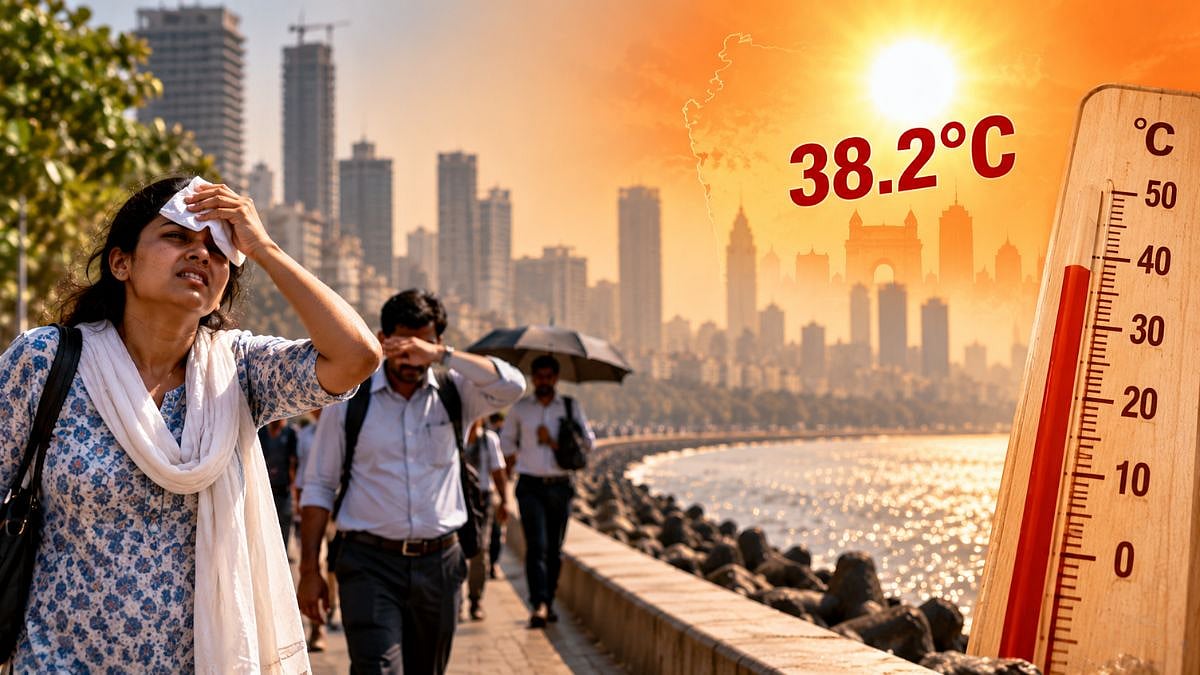
Mumbai, October 14, 2026: Year on year, Mumbai is witnessing extreme weather conditions, especially scorching heat and record-breaking maximum temperatures.
For the past five days, the metropolis has been enduring heatwave conditions, and the maximum temperature recorded this week was 38.2°C, which was 5.1°C above normal.
Moreover, there is no major relief in sight. Weather experts say that although temperatures will briefly settle down by next week, the mercury will remain above 35°C overall.
Urban Heat Island Effect Intensifies
October heat, which kicks in after the withdrawal of the monsoon, resulting in high daytime temperatures in an island city, is not a new phenomenon for Mumbaikars.
However, Mumbai’s heat challenge is no longer merely a daytime phenomenon. The city is now accumulating and retaining heat after sunset too, creating what scientists call the Urban Heat Island (UHI) effect.
This is attributed to rapid urbanisation, multiplying high-rises, cement concretisation and depleting green cover, which change wind patterns, delay the settling of breezes and increase ground temperatures.
"Rapid urbanisation has increased urban land surface temperatures, emerging as a critical environmental challenge in megacities such as Mumbai. Built-up areas, especially in central and southern Mumbai, are UHI hotspots," says a recent study published in the Journal of Urban Management.
"Mumbai's urban form of densely packed buildings, small streets, and little natural cover makes it quite vulnerable to the UHI effect, given its tropical environment," it adds.
Dense Buildings Trap Heat
"The UHI is created between two vertical structures which block the wind flow, and the heat is trapped from all sides. This also delays wind settlement, and the temperature remains in one place for a longer time. Considering the rapid vertical infrastructure development in a city like Mumbai and changes in overall climatic conditions, people should get used to high temperatures," explained a former director of the India Meteorological Department (IMD).
"Although we directly cannot attribute the UHI effect to tall, densely populated buildings, it is one of the major factors," he added.
IMD Explains Heatwave Conditions
Commenting on the ongoing heatwave-like conditions, IMD Mumbai scientist Sushma Nair said, "Early withdrawal of the southwest monsoon has resulted in October heat arriving early in the month. The heatwave was due to anti-cyclonic winds and a change in wind patterns to easterly."
On the UHI effect, Nair said that when landscape features are altered, including through dense, tall buildings, this can affect wind patterns and lead to heatwave-like conditions prevailing for an extended period. However, it should not be directly connected to UHI, as other weather conditions also play a role.
Urbanisation And Rising Temperatures
Independent weather interpreter Rajesh Kapadia said, "Urban heat is basically restricted to urban areas of any region. Rapid urbanisation, infrastructure development, cement concretisation of roads and the removal of green patches result in urban heat."
"Also, it is not connected to global warming or climate change. Climate change is due to urban change. Earlier, when we had more open spaces, the weather was cooler. Even now, if we go towards the end of the Mumbai Metropolitan Region, where urbanisation is still picking up, the temperature is a couple of degrees lower than in Mumbai city."
The current heatwave is due to an overnight weather transition after the early withdrawal of the monsoon. However, along with the UHI effect, it is also a weather phenomenon, he added.
Also Watch:
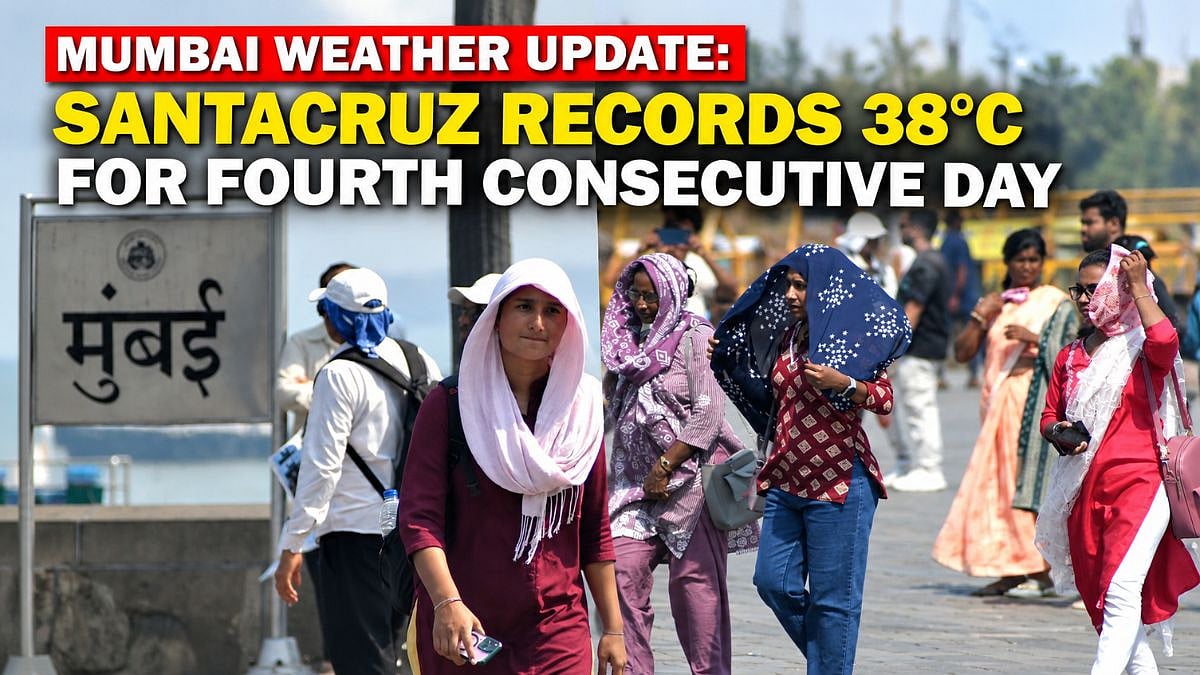
Heatwave Alert For Next Two Days
Maximum temperature on Wednesday
Santacruz observatory: 37.8°C, which was 4.1°C above normal
Colaba observatory: 36.4°C, which was 4.2°C above normal
IMD's forecast for the next 48 hours for Mumbai city and suburbs
Mainly clear skies. Possibility of heatwave conditions.
Maximum and minimum temperatures around 38°C and 26°C, respectively.
To get details on exclusive and budget-friendly property deals in Mumbai & surrounding regions, do visit: https://budgetproperties.in/

