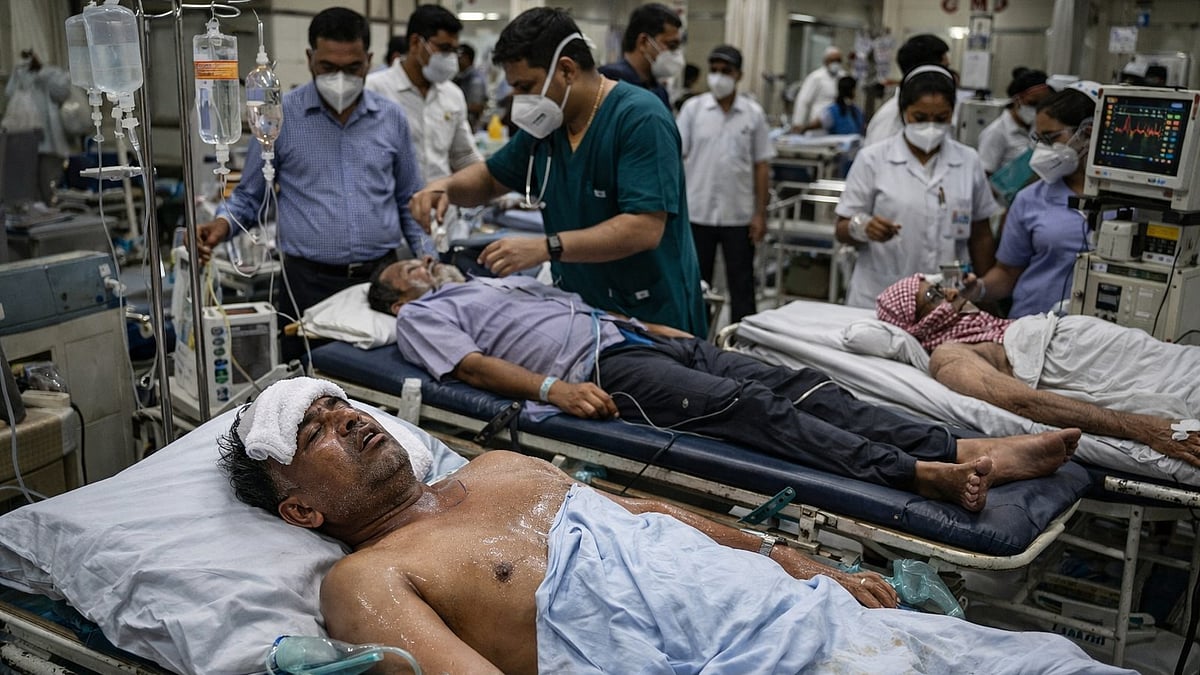
Mumbai: With the monsoon season less than a month away, civic authorities and the state government have ramped up efforts to prevent the spread of vector-borne and water-borne diseases across the city. Anticipating a surge in infections during the rainy season, officials have reserved between 1,500 and 1,700 beds in government and civic-run hospitals to ensure adequate treatment capacity.
Fifteen-day drives to destroy Aedes breeding spots
The health department has launched an extensive citywide campaign focusing on mosquito control, sanitation, and public awareness. As part of this initiative, special drives will be conducted every 15 days to identify and eliminate breeding grounds of Aedes mosquitoes, which are responsible for spreading dengue. Authorities are working in coordination with multiple departments to remove garbage, stagnant water, and discarded materials that could facilitate mosquito breeding.
In addition, preventive measures against leptospirosis have been strengthened through a dedicated rodent control campaign, as the disease is commonly linked to exposure to water contaminated by animal waste during the monsoon.
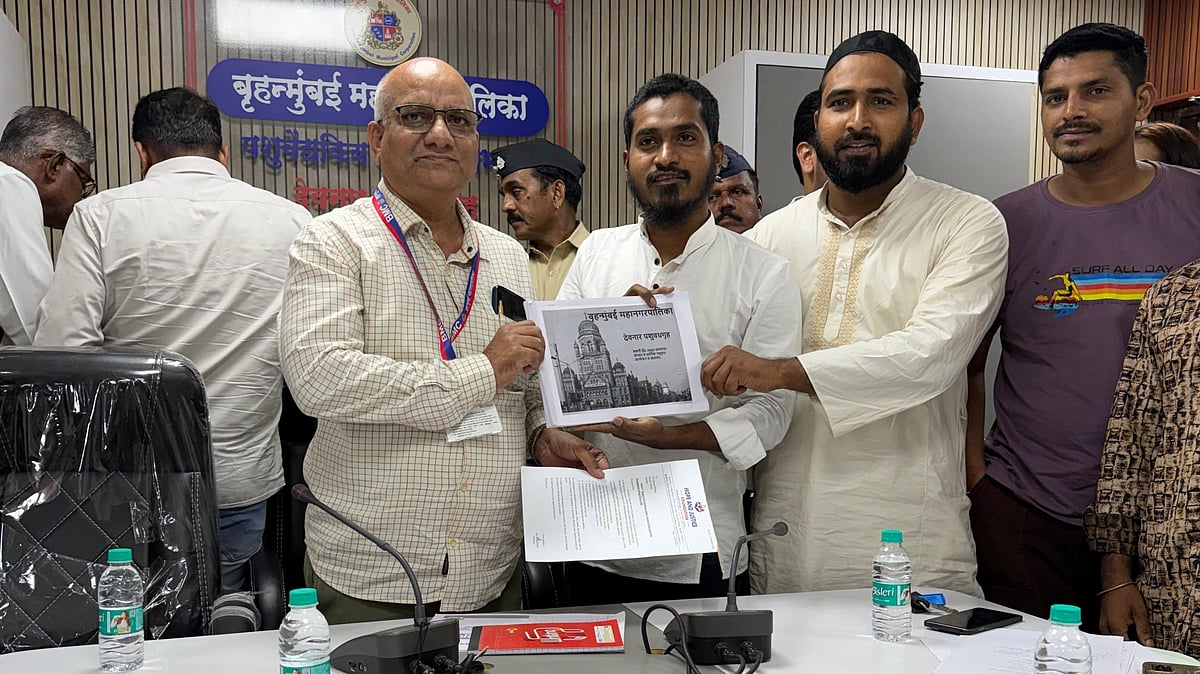
Malaria, dengue, hepatitis cases already recorded in early 2026
Health data from January to March 2026 indicates a notable number of cases, including malaria, dengue, gastroenteritis, and hepatitis, highlighting the need for early preparedness. Smaller numbers of chikungunya, leptospirosis, and COVID-19 cases were also recorded during this period.
Officials have urged residents to remain vigilant by maintaining cleanliness in their surroundings, avoiding water stagnation, and seeking immediate medical attention if symptoms such as fever or infection appear, ensuring timely diagnosis and treatment.
To get details on exclusive and budget-friendly property deals in Mumbai & surrounding regions, do visit: https://budgetproperties.in/

