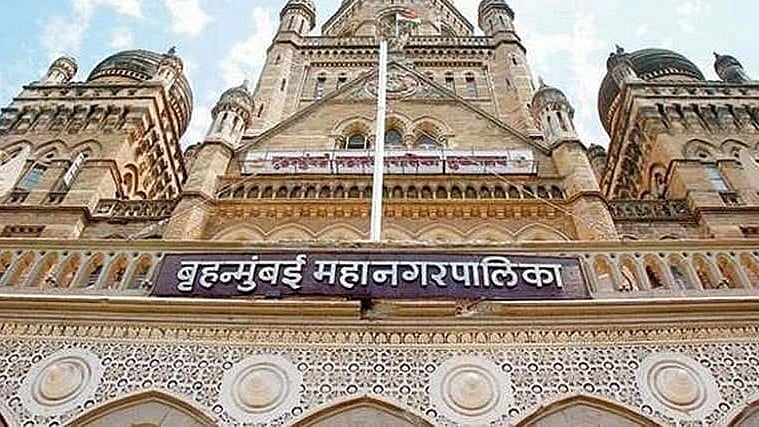
Mumbai, Jan 30: Mumbaikars residing in buildings without an Occupation Certificate (OC) will have to wait longer for the implementation of the new OC amnesty policy, as the BMC administration will now require sanction from the standing committee, which is yet to be formed.
“Citizens can apply once the Standard Operating Procedures (SOP) are finalised. As the OC amnesty policy will have a financial impact on the corporation, the standing committee’s sanction is necessary,” said a senior officer from the BMC development plan department.
Standing committee yet to be formed
The state Urban Development Department (UDD) on December 11 approved the BMC’s amnesty scheme for the regularisation of non-OC buildings, with revisions. The SOP was awaited from the BMC so that buildings could apply accordingly.
However, with the municipal elections concluded, statutory committees will now be formed with the newly elected corporators. The standing committee, which has the powers to make financial decisions for the corporation, is likely to be constituted by the end of February, after the mayoral election in mid-February.
Political implications of OC policy
The BJP-led Mahayuti announced the OC policy before the BMC elections, which was seen as a major factor influencing Mumbaikars to elect the ruling alliance. The policy is expected to benefit more than 20,000 buildings in Mumbai that lack OC due to factors beyond the control of occupants.
However, several housing experts have termed the policy a political move by the ruling parties to woo voters, pointing out that developers—responsible for completing documentation for regularisation while handing over possession—will go scot-free.
Revisions reduce financial burden on applicants
The FPJ had reported on December 29, quoting a senior BMC officer, that under the BMC’s original proposal, buildings that had used Floor Space Index (FSI) were to be given a 50 per cent discount on the penalty under the amnesty scheme.
However, the UDD revised this to zero penalty if applications are made within six months, resulting in a loss to the corporation. The revision was introduced to attract more applicants for regularisation.
Extended cut-off date and further relaxations
The revisions will benefit more non-OC buildings, as the UDD has directed the BMC to consider implementing the amnesty scheme for buildings constructed and occupied before November 17, 2016, instead of the earlier cut-off date of January 6, 2012.
Apart from the four-year extension in the cut-off year, the state government has also instructed the BMC not to levy any penalty on buildings that have converted Free FSI features to habitable use, provided they apply under the amnesty scheme within six months of the revised policy’s introduction.
Hospitals, schools included; commercial buildings excluded
The UDD has also directed the BMC to consider the amnesty scheme for granting OC to hospital and school buildings. However, commercial constructions will not be considered.
Other instructions include directing the BMC to proactively acquire playgrounds, gardens (PG, RG) and other reserved spaces and make them available for public purposes.
Also Watch:
Limits on concessions clarified
As per the revised amnesty scheme, the 50 per cent discount on the premium, as well as the concession regarding non-imposition of penalty for the first six months, will be applicable only to flats having a carpet area of up to 80 sq m.
To get details on exclusive and budget-friendly property deals in Mumbai & surrounding regions, do visit: https://budgetproperties.in/

